
By Pamela Nandi | Jul 18, 2026
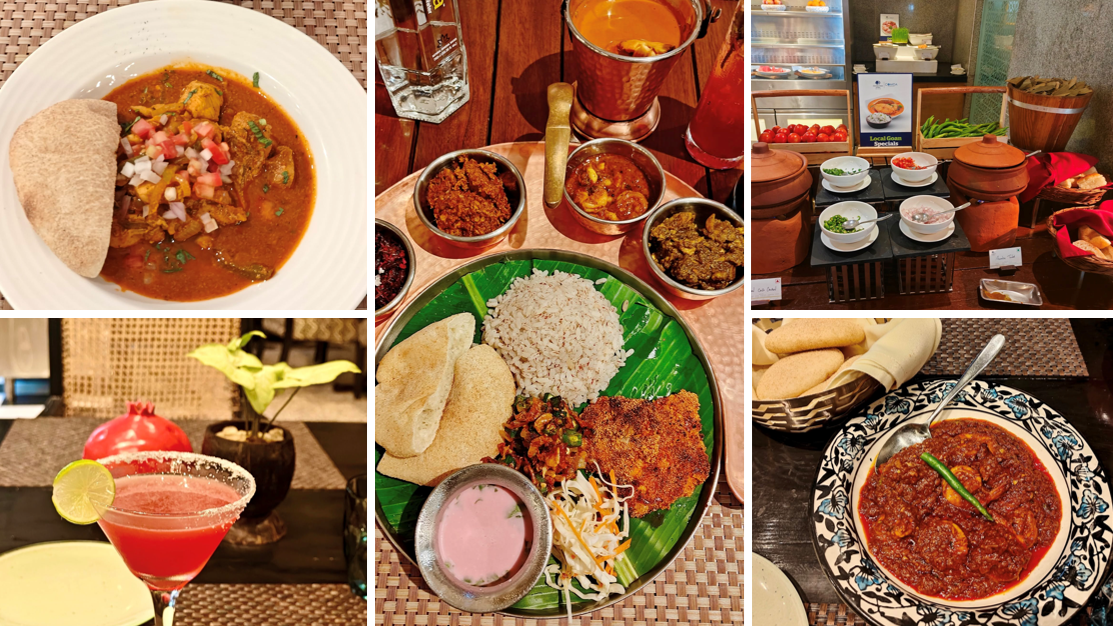
A taste of Goa - from banana leaf thalis to spiced curries and cocktailsWhen I think of Goa, my mind doesn’t just drift to sun-kissed beaches and swaying palms—it goes straight to the kitchen. For me, the true heart of India’s sunshine state simmers in clay pots, roasts over slow wood fires, and tells a story of a rich, vibrant Indo-Portuguese heritage.

On my latest trip, I decided to bypass the usual tourist traps and embark on a true gastronomic journey. From the lavish breakfast spreads of five-star luxury resorts to the rustic charm of riverside shacks, here is exactly what it feels like to taste the very soul of Goa.
1. Lazy Sunrises & Heritage Dinners at ITC Grand Goa
My vacation truly began the moment I woke up at the ITC Grand Goa. I quickly learned that breakfast at The Pavilion (Village Square) is less of a meal and more of a morning ritual.

Living out my best lazy holiday mood, I discovered that the absolute star of the morning table was a rich, deeply aromatic local Pork Xacuti. Tasting the world on one platter while the morning breeze rustled through the palms was nothing short of a culinary celebration..
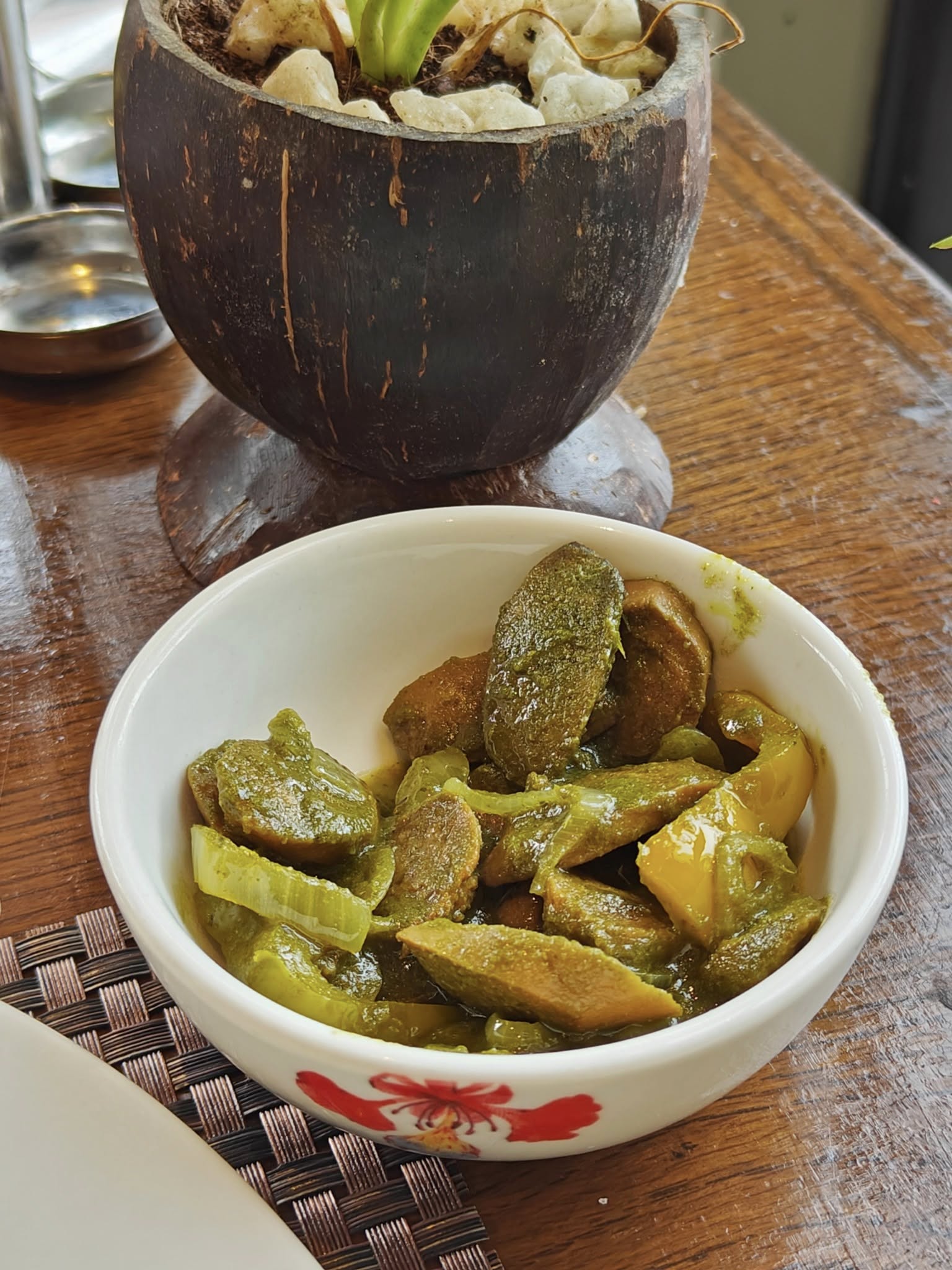
Tempero: A Feast of Heritage & Heat
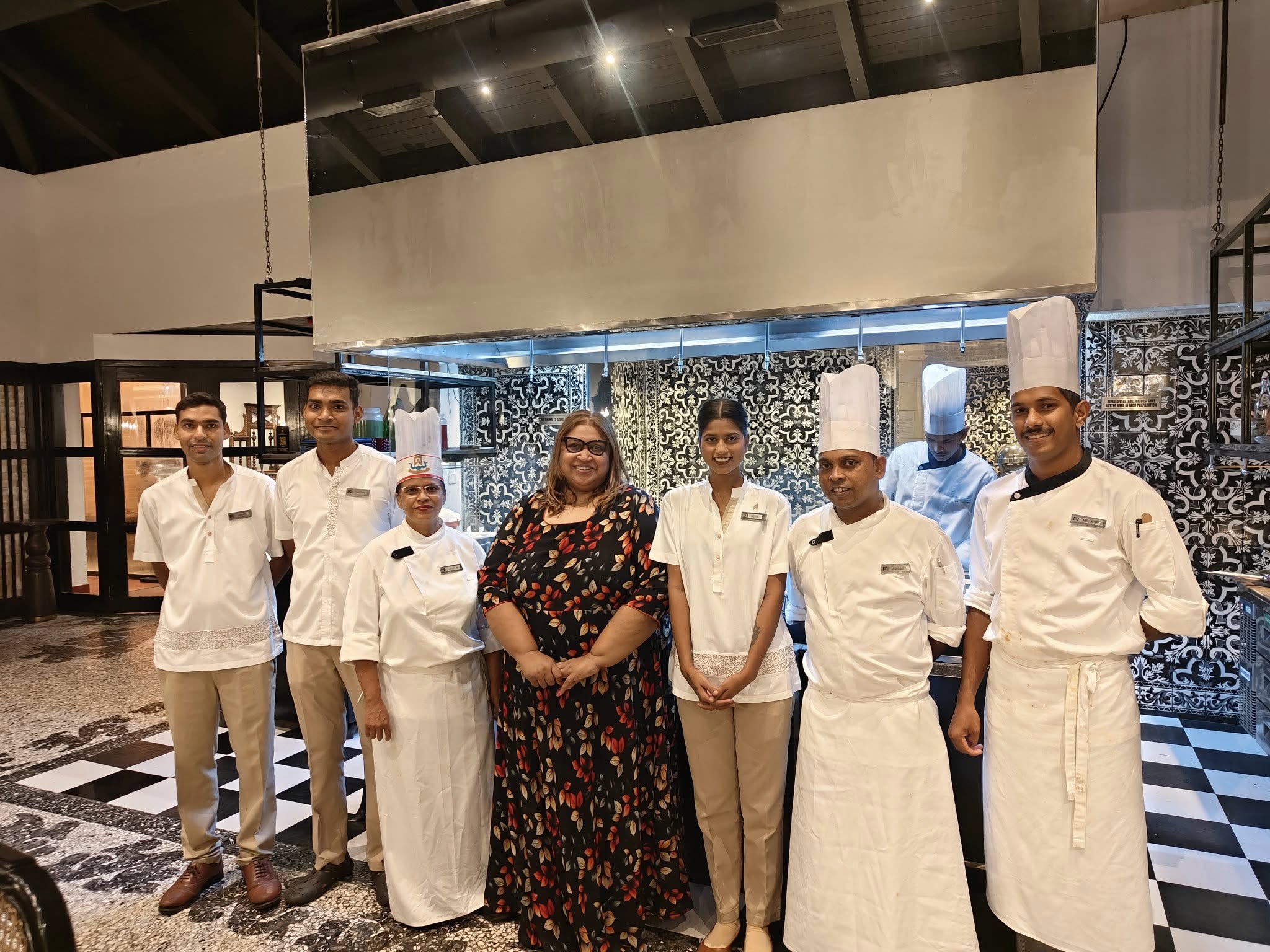
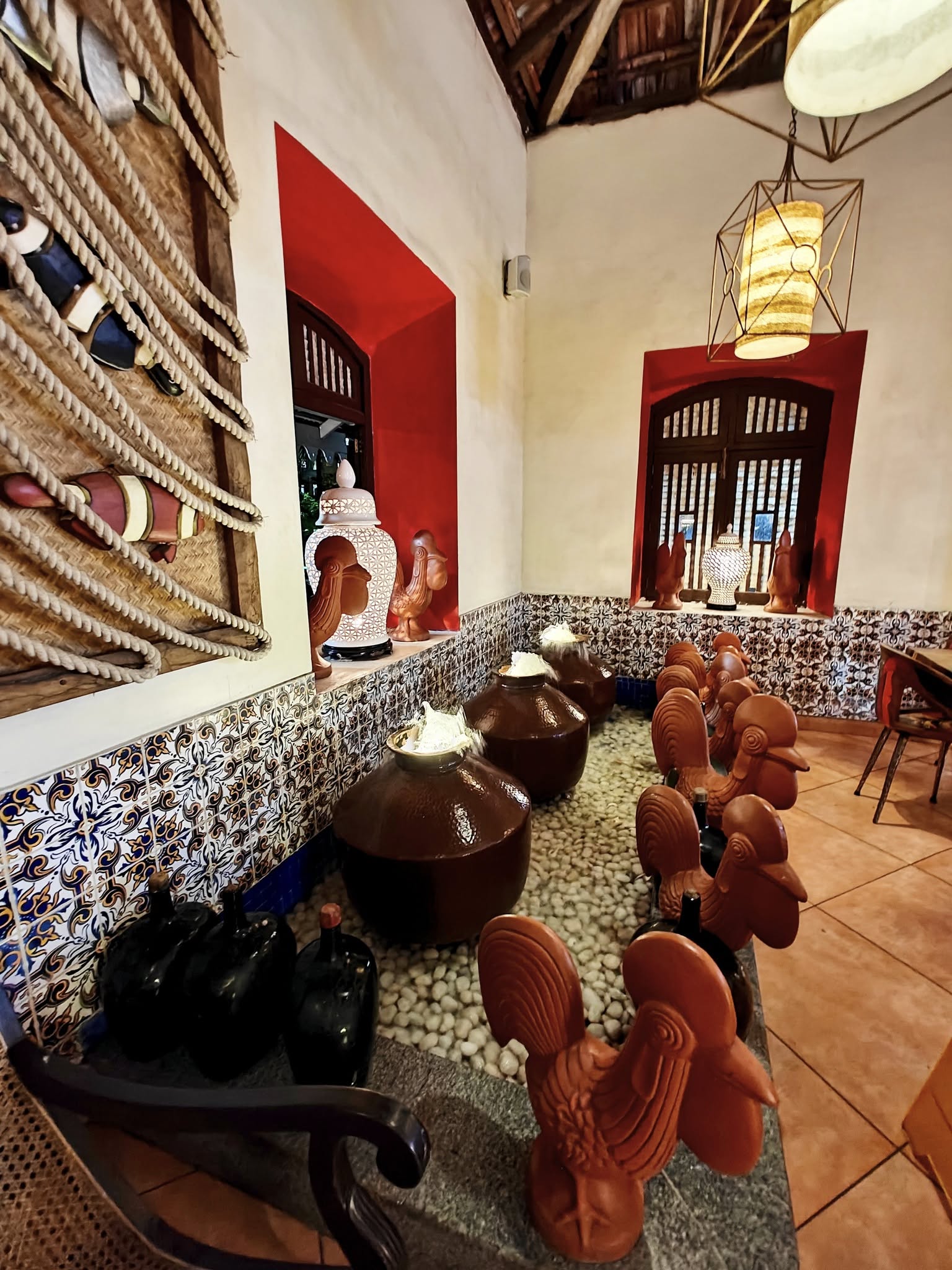
As night fell, I headed over to Tempero, the resort’s gorgeous Indo-Portuguese styled restaurant. Helmed by the brilliant Executive Chef Urmila, this place serves tradition with a side of absolute luxury.
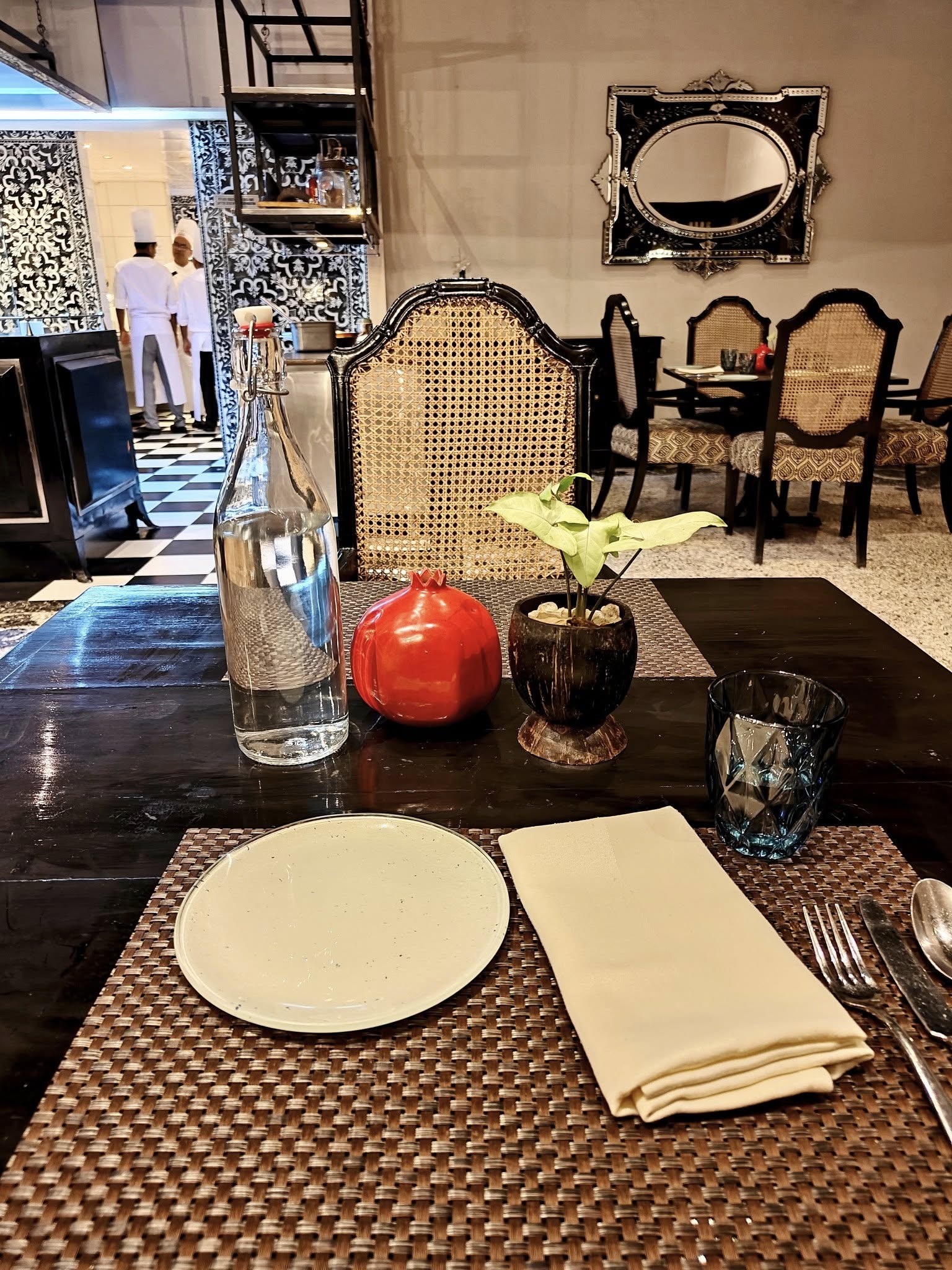
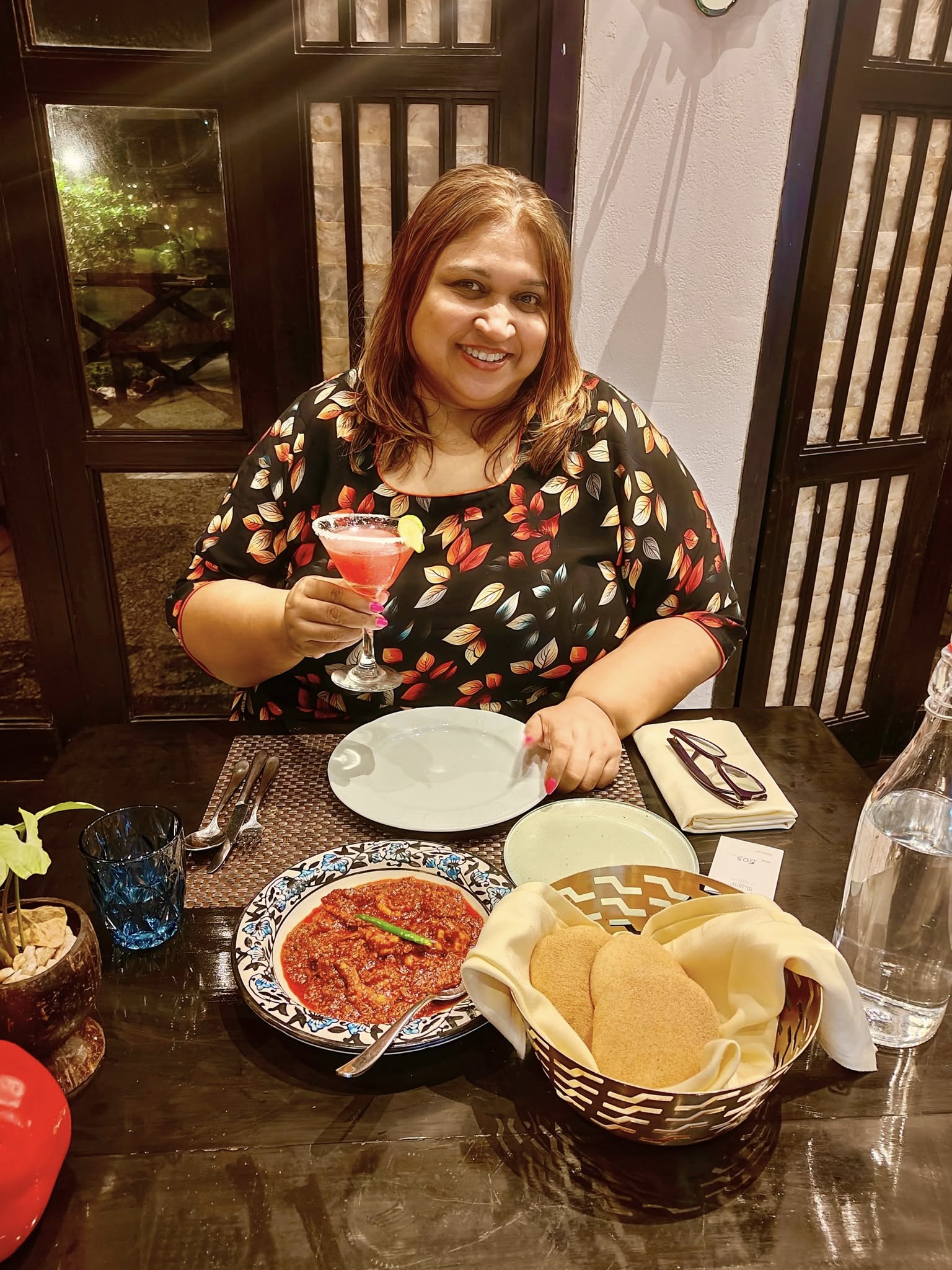
Here are the dishes that completely blew me away:
Sungchapen Balchao (familiarly known as Sungta Balchao or Goan Prawn Balchao): Juicy, plump prawns bathed in a fiery, tangy masala that literally danced on my palate. Balchao masala is a fiery, tangy, and slightly sweet spice paste rooted in Goan cuisine, brought by the Portuguese from Macau. The flaming-red paste ground smoothly using whole Kashmiri chillies, warming spices (cloves, cinnamon, cumin), and plenty of garlic using pure Goan coconut toddy vinegar giving it a beautifully sharp, fruity tang.
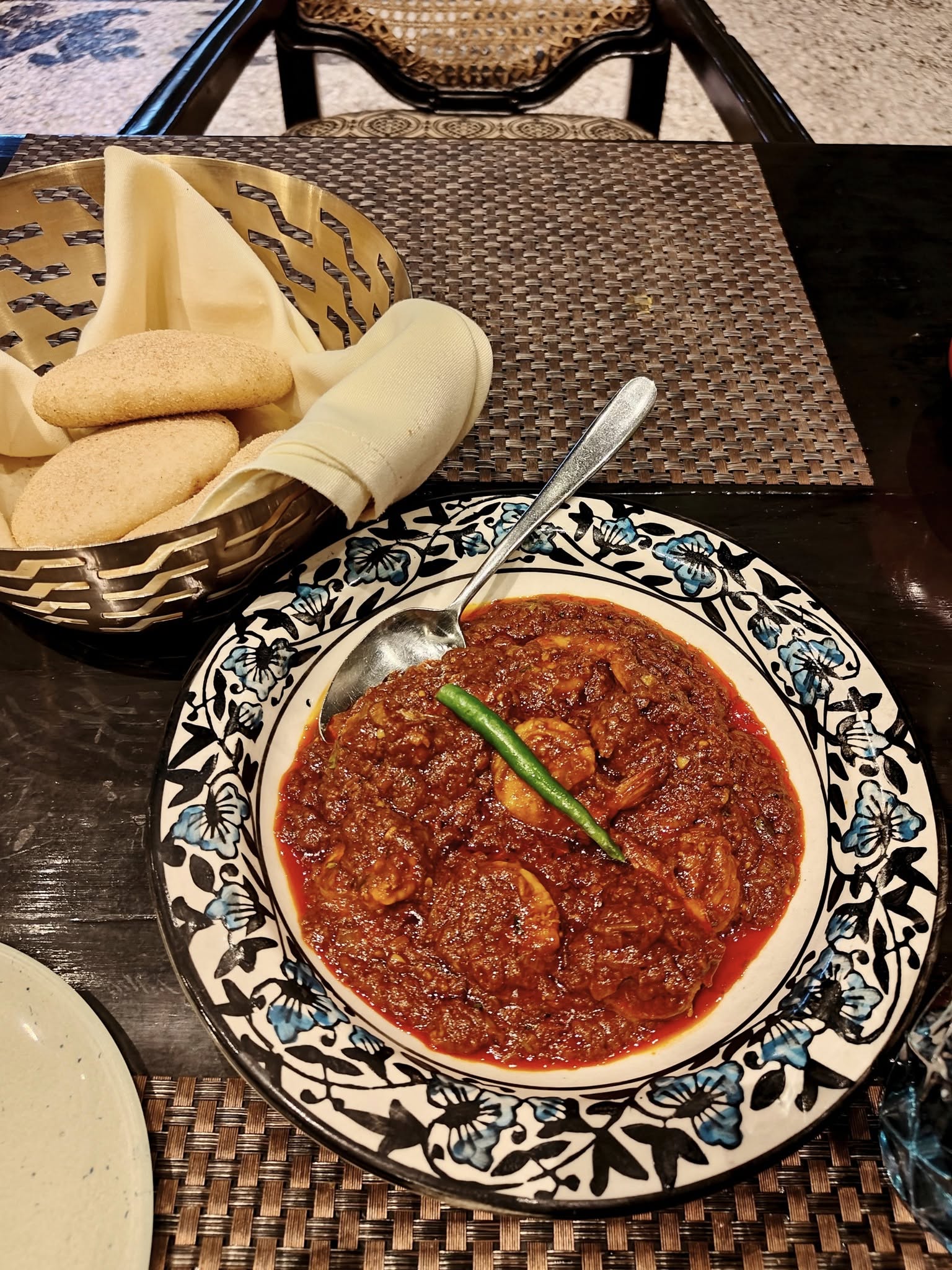
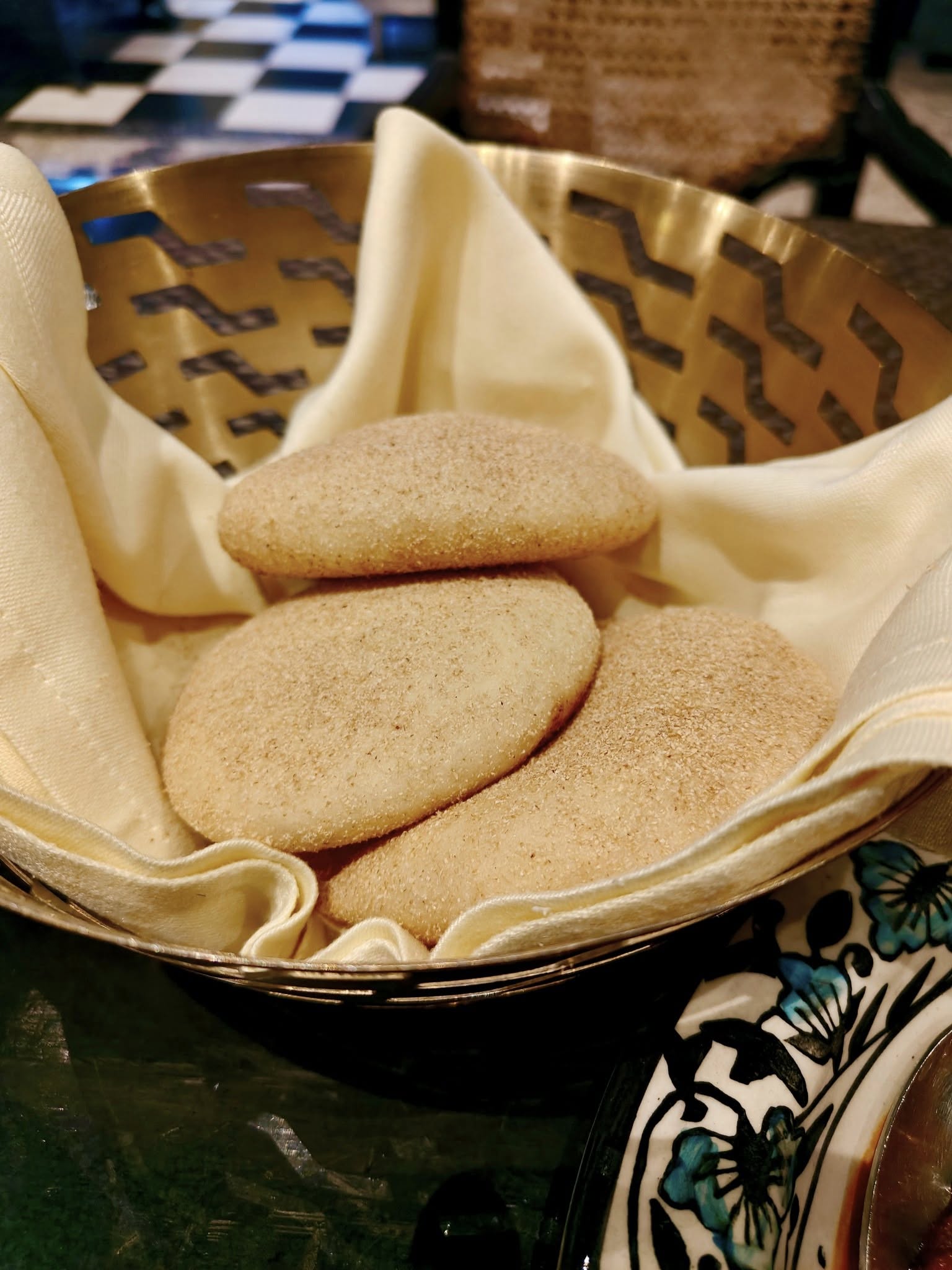
Goan Poee: It was served with traditional local Goan pocket bread—which was the perfect vessel to scoop up every last drop of that vibrant sauce.
What Makes It Special
- The Texture: It features a crisp, rustic outer crust dusted with wheat bran and a soft, airy, spongy interior.
- The Signature Pocket: When baked at very high temperatures in traditional wood-fired ovens, the steam inside causes the bread to puff up, creating a natural hollow cavity perfect for stuffing with curries or meats.
- Ingredients: Traditionally made with a blend of whole wheat flour and refined flour (maida), it was historically fermented using coconut palm toddy (palm wine) as a natural leavening agent, which gave it a unique, mildly sour tang. Today, most commercial versions use yeast.
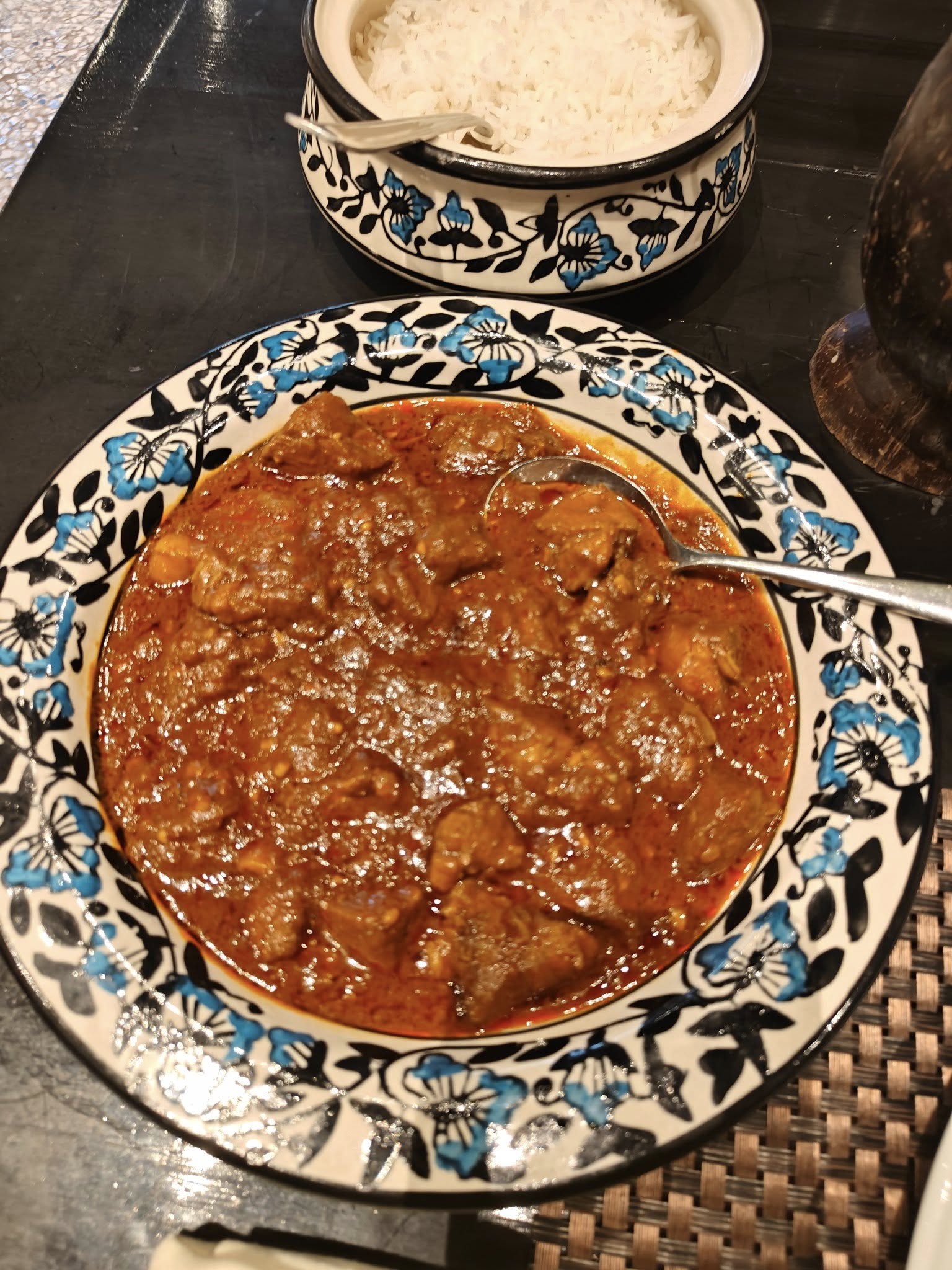
Pork Vindaloo: A legendary Goan delicacy, slow-cooked to perfection. The sharp, spicy vinegar kick hit all the right notes, and pairing it with simple steamed rice let the complex flavors shine.
The 500-Year-Old Backstory: The dish is a fascinating hybrid born in the 1500s. Its name comes from the Portuguese Carne de Vinha d’Alhos (meat in wine vinegar and garlic). Portuguese sailors preserved pork in barrels of wine vinegar on long sea voyages. When they arrived in Goa, local cooks adapted the recipe – they swapped wine vinegar for fermenting coconut palm toddy vinegar, dropped in a handful of warming spices, and added a brand-new ingredient: the chili pepper.
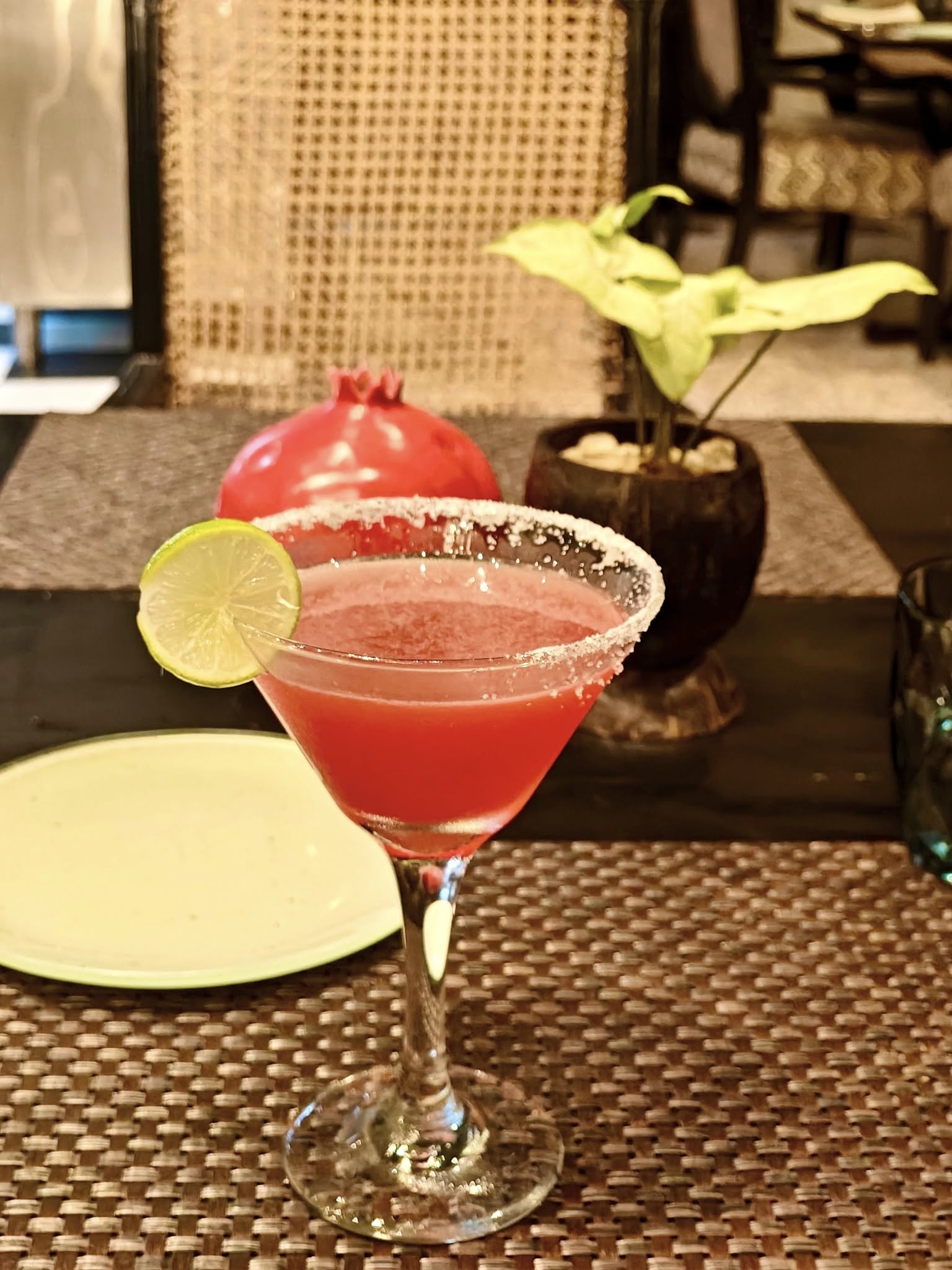
Feni: I tried their Feni-based Kokum Cooler. It has a notoriously pungent, fruity, and sharp aroma that can surprise first-timers, but it unfolds into a deeply complex flavor.
Here is a quick look at what makes it such a legendary local pour:
- The Two Varieties: Cashew Feni, made from the stomped juice of ripe cashew apples, is a summer seasonal treasure. Coconut Feni is distilled from the fermented sap of coconut palm trees (toddy) gathered by local tree-climbers year-round.
- The Distillation: It is traditionally pot-distilled in local villages without any artificial colors or flavors.
From rustic recipes to refined presentation, Tempero serves tradition with a side of luxury. This isn’t just food, it’s storytelling on a plate. If you’re ever in Goa, treat your tastebuds to this soulful experience. Tempero is not just a meal, it’s a mood.
2. Comfort Food on a Plate: Taj Cidade de Goa Horizon
There is nothing quite like waking up in Goa to a breakfast that feels like pure love on a plate.

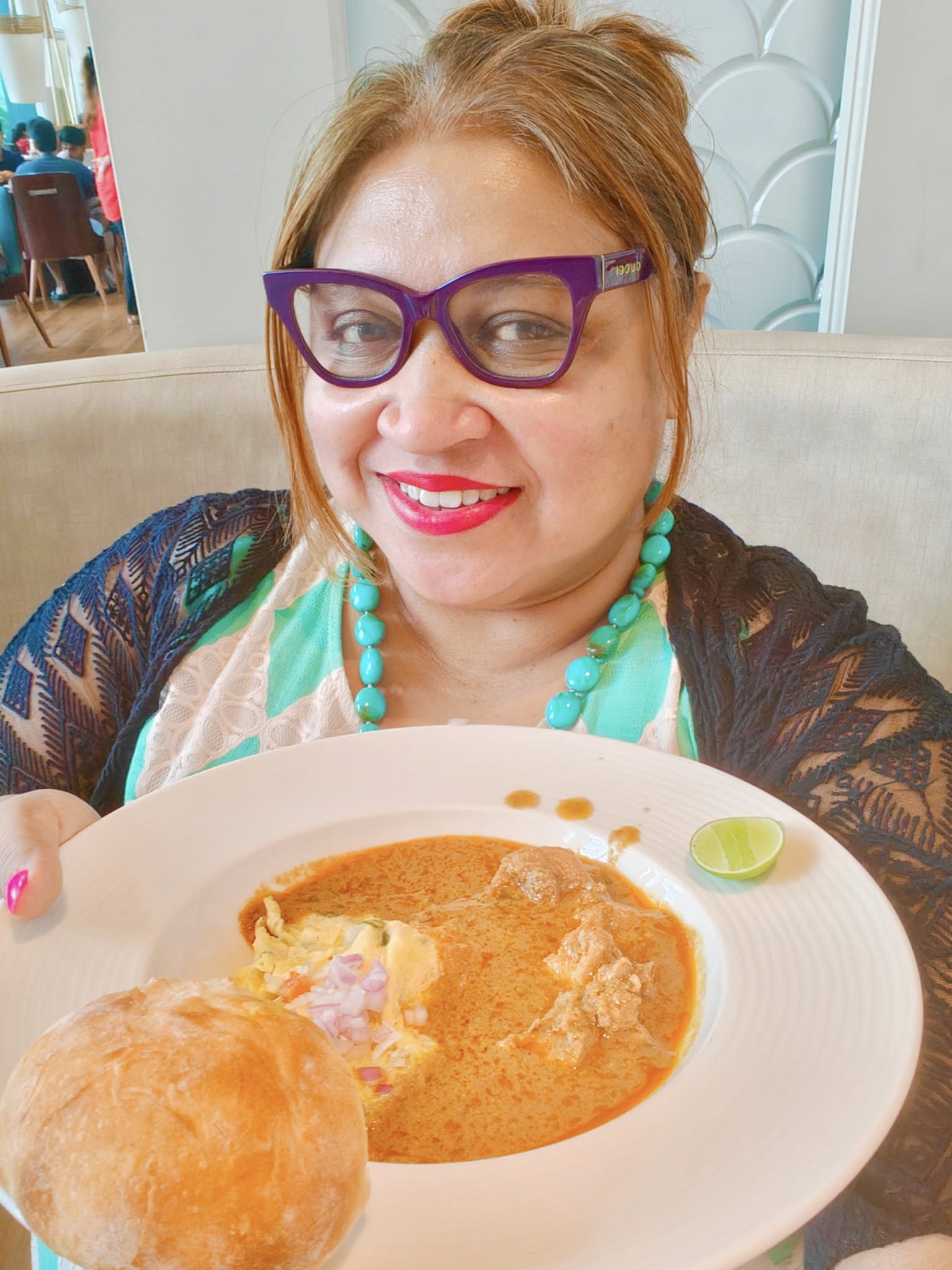
At the Taj Cidade de Goa, I decided to eat exactly like a local, starting my morning with two absolute icons:
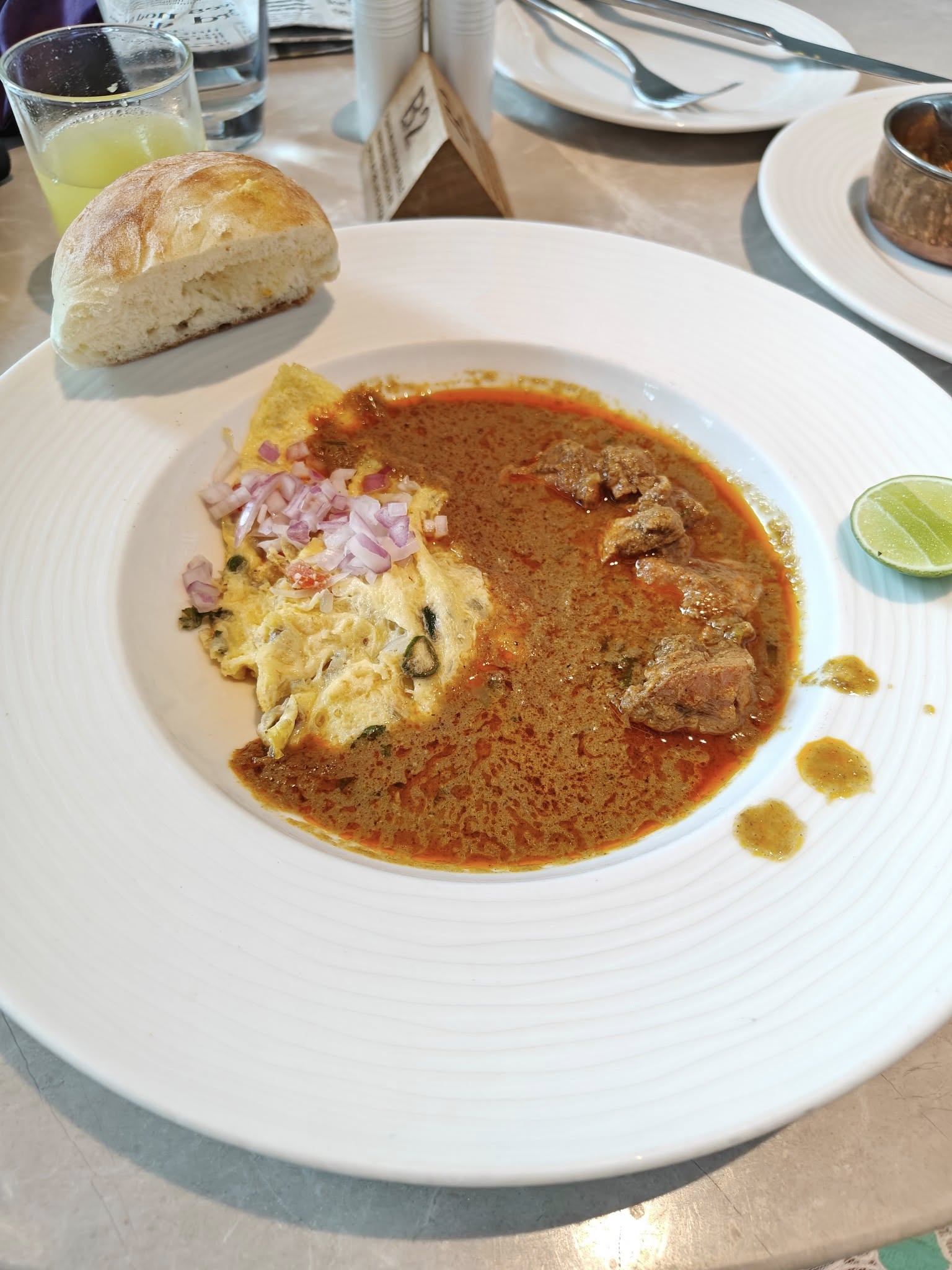
Ros Omelette: Fluffy, classic eggs drowned in an incredibly flavorful, spicy chicken gravy. It’s an absolute emotion. Ros translates directly to “gravy” or “juice” in Konkani. This isn’t a dry breakfast dish; the omelette is meant to literally swim in sauce. The gravy used is traditionally a deeply complex, aromatic Xacuti —a thick chicken curry slow-cooked with heavily roasted coconut, black pepper, poppy seeds, and local spices. Finished off with a generous scatter of freshly chopped raw onions, cilantro, and a bright squeeze of lime to cut through the richness of the coconut.
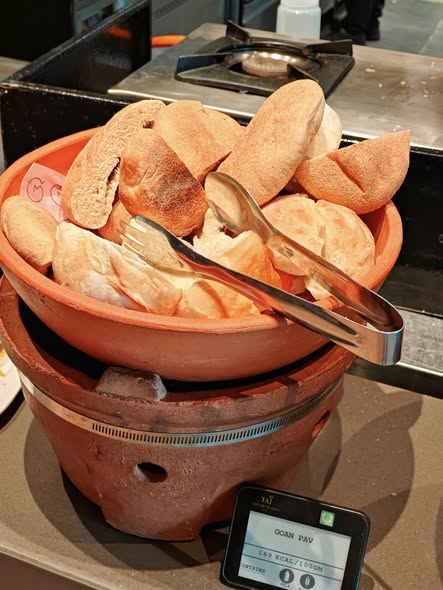
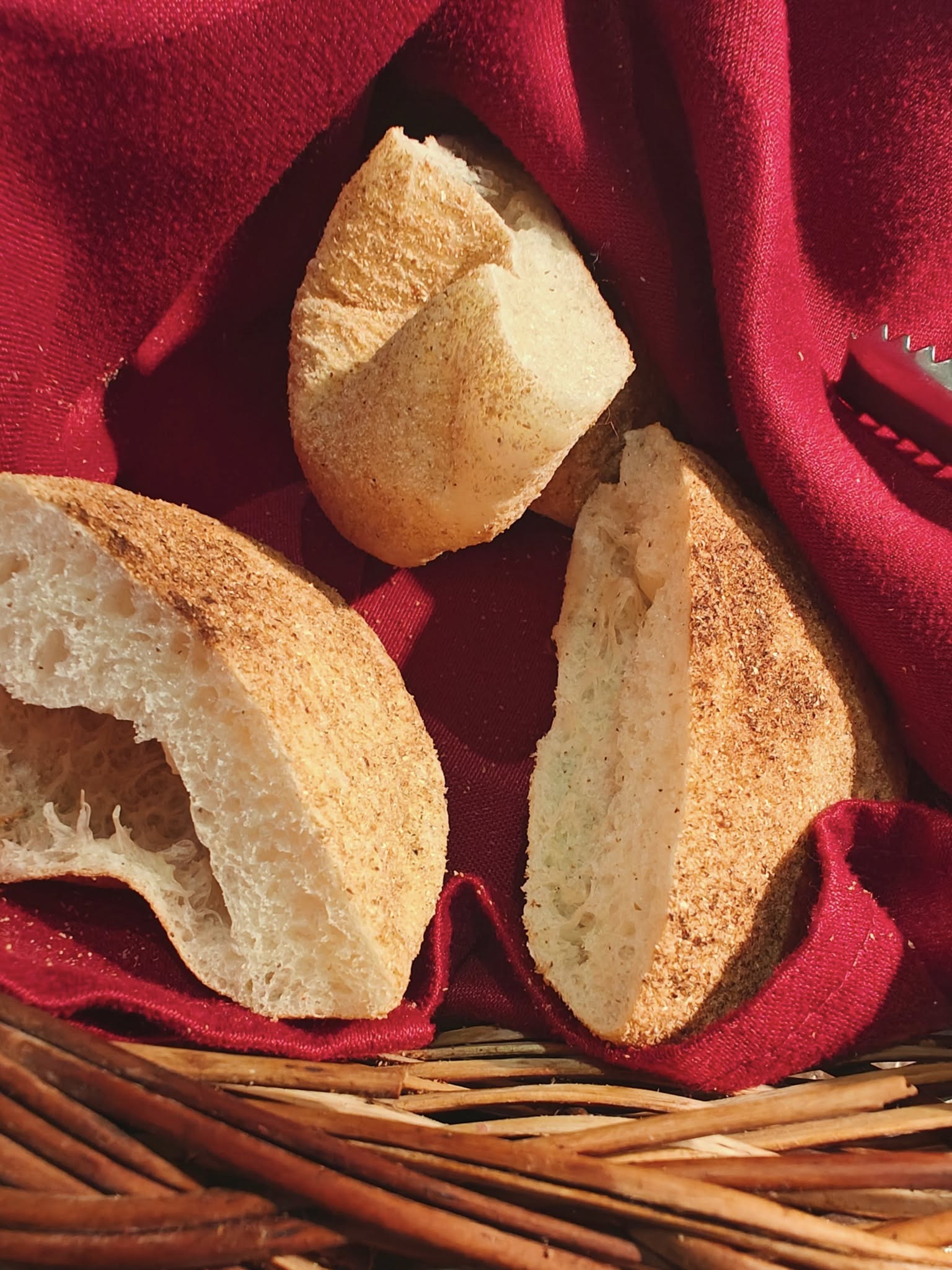
Goan Pav: Perfect pairing with freshly baked – soft inside and crisp outside, just right for soaking up the gravy.
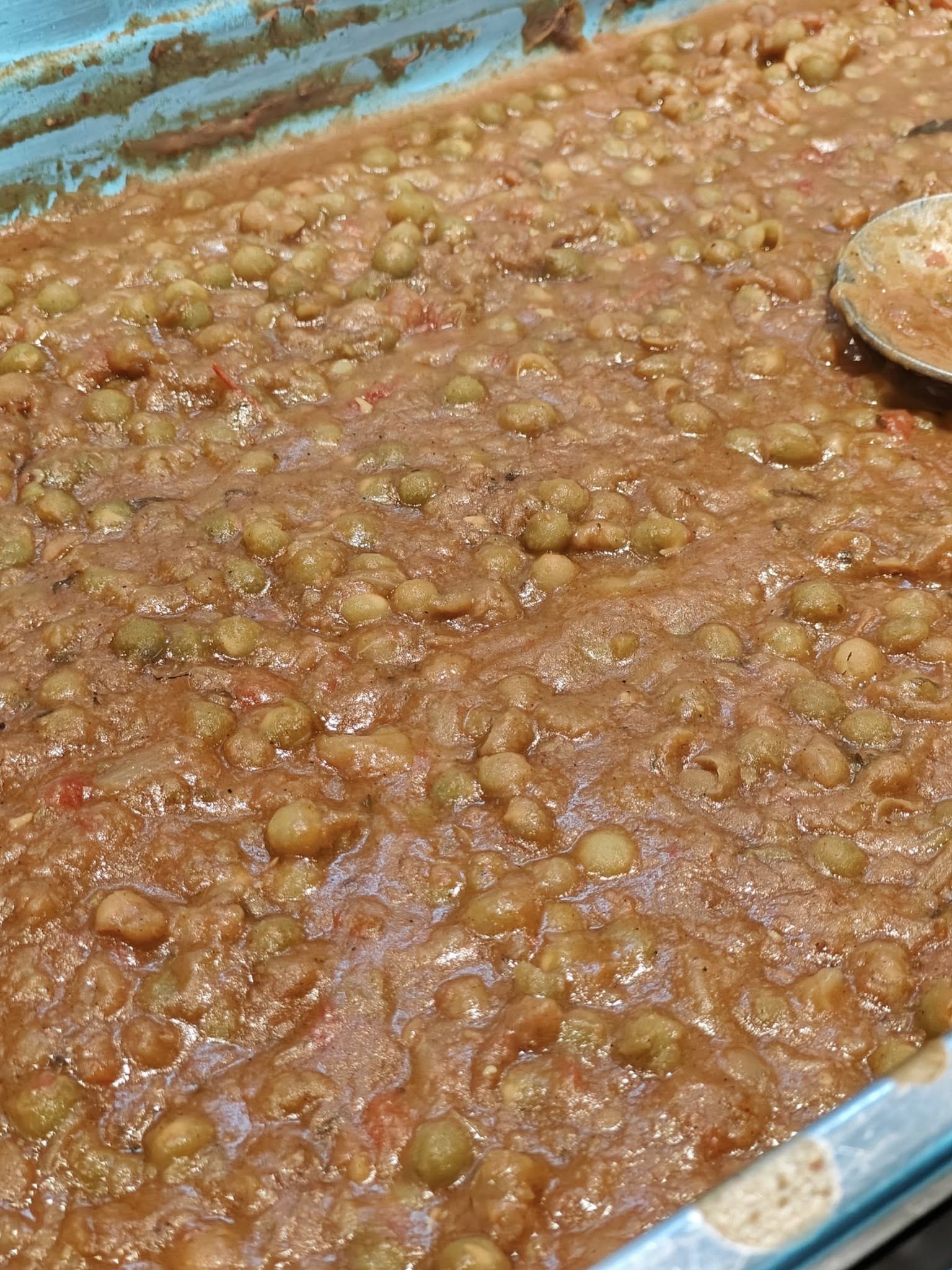
Goan Vatana Bhaji: A warm, hearty, dried white pea curry that tastes like home. It features dried white peas (vatana) that are soaked overnight and pressure-cooked until they are perfectly tender and buttery. Its signature flavor comes from a lightly roasted coconut-and-onion masala base (tonak paste) infused with mild spices like fennel and coriander.
For me, Goa isn’t just about the ocean; it’s about mornings like these where food becomes an indelible memory you take back home with you.
3. The Ultimate Soul Journey: DoubleTree by Hilton Goa-Panaji

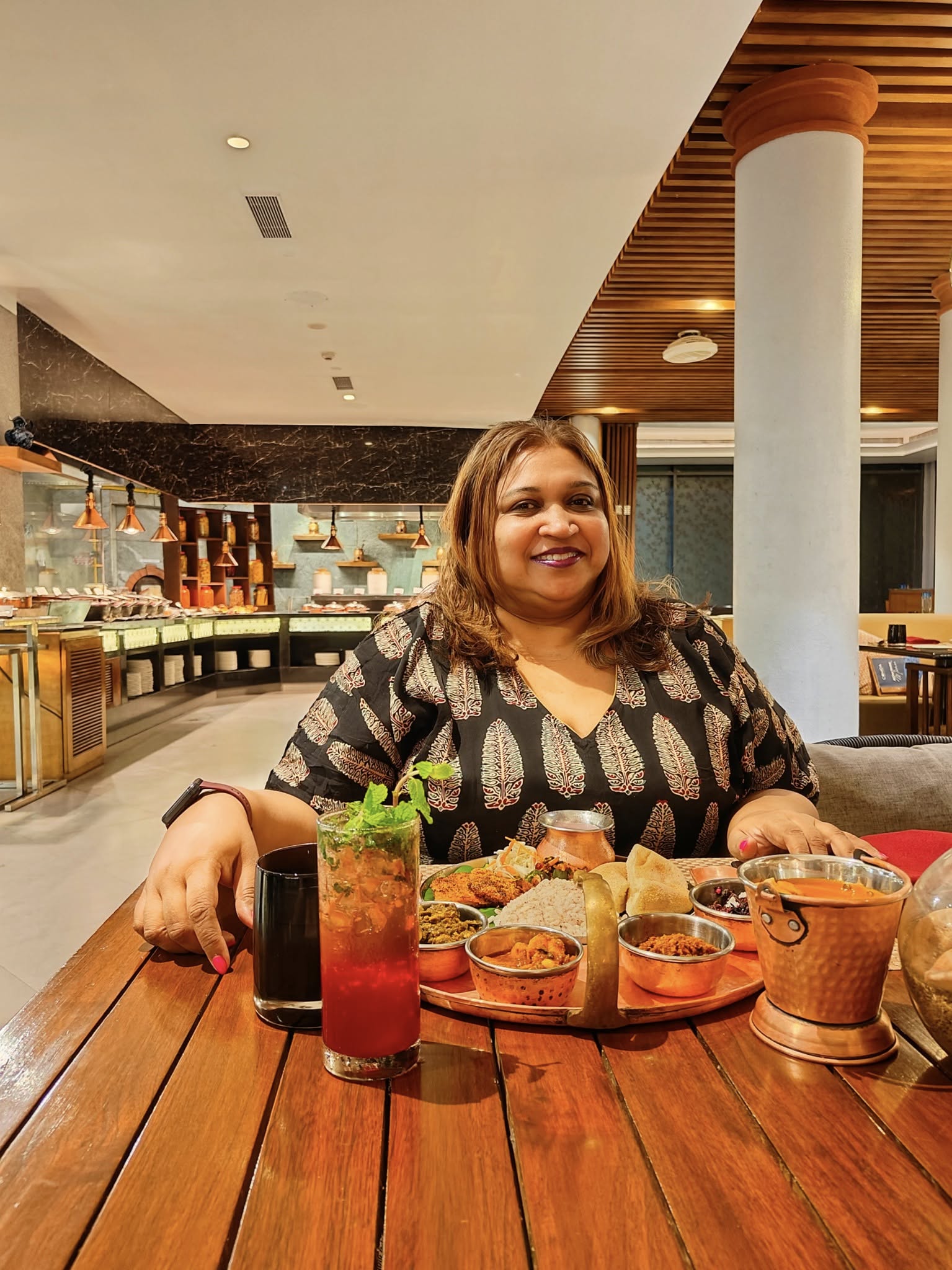
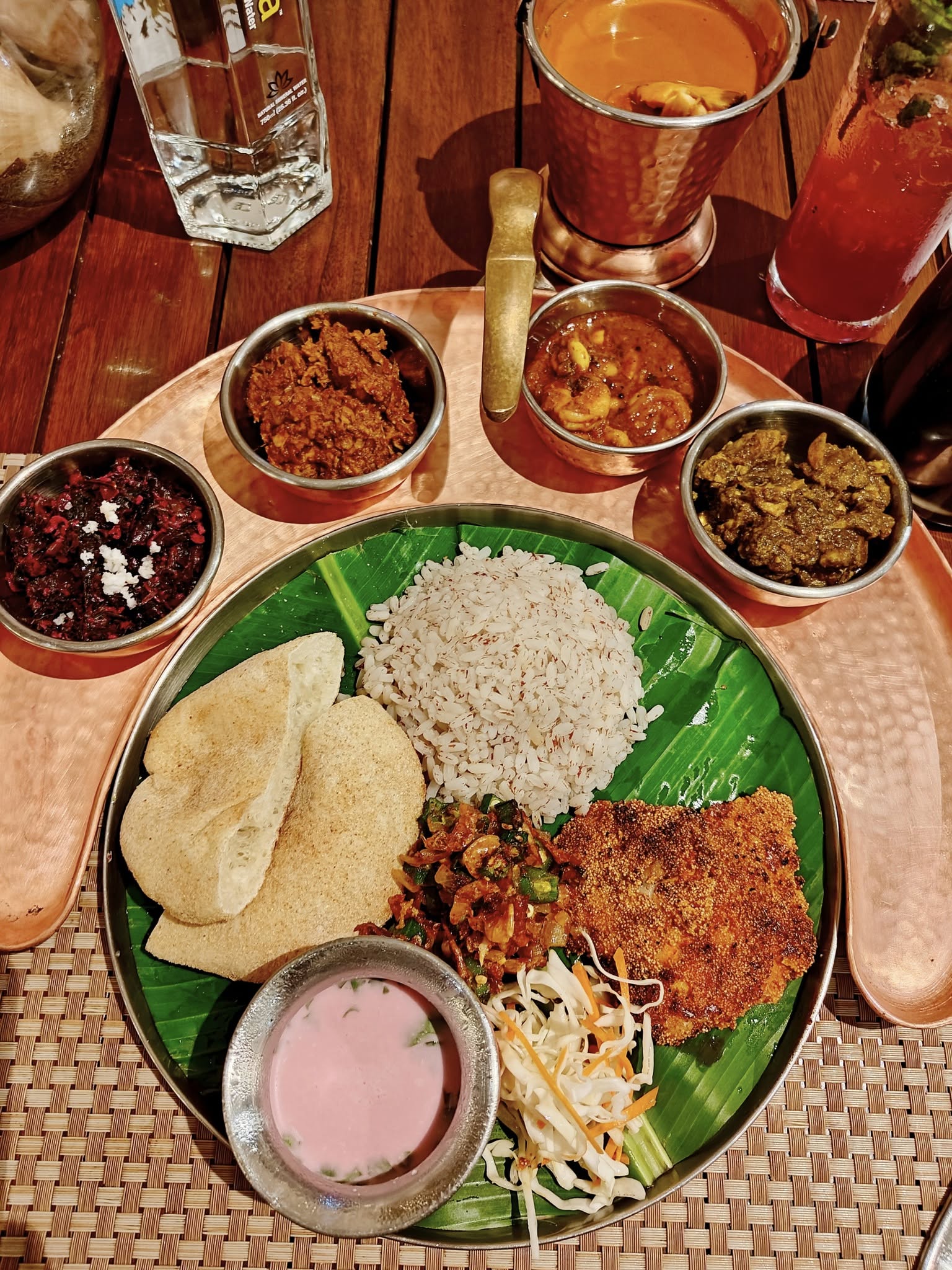
To truly understand the depth of Goan cuisine, I sat down for a traditional thali at the DoubleTree by Hilton Goa-Panaji. I quickly realized that a thali here isn’t just lunch—it’s an unforgettable journey through the state’s culinary landscape.
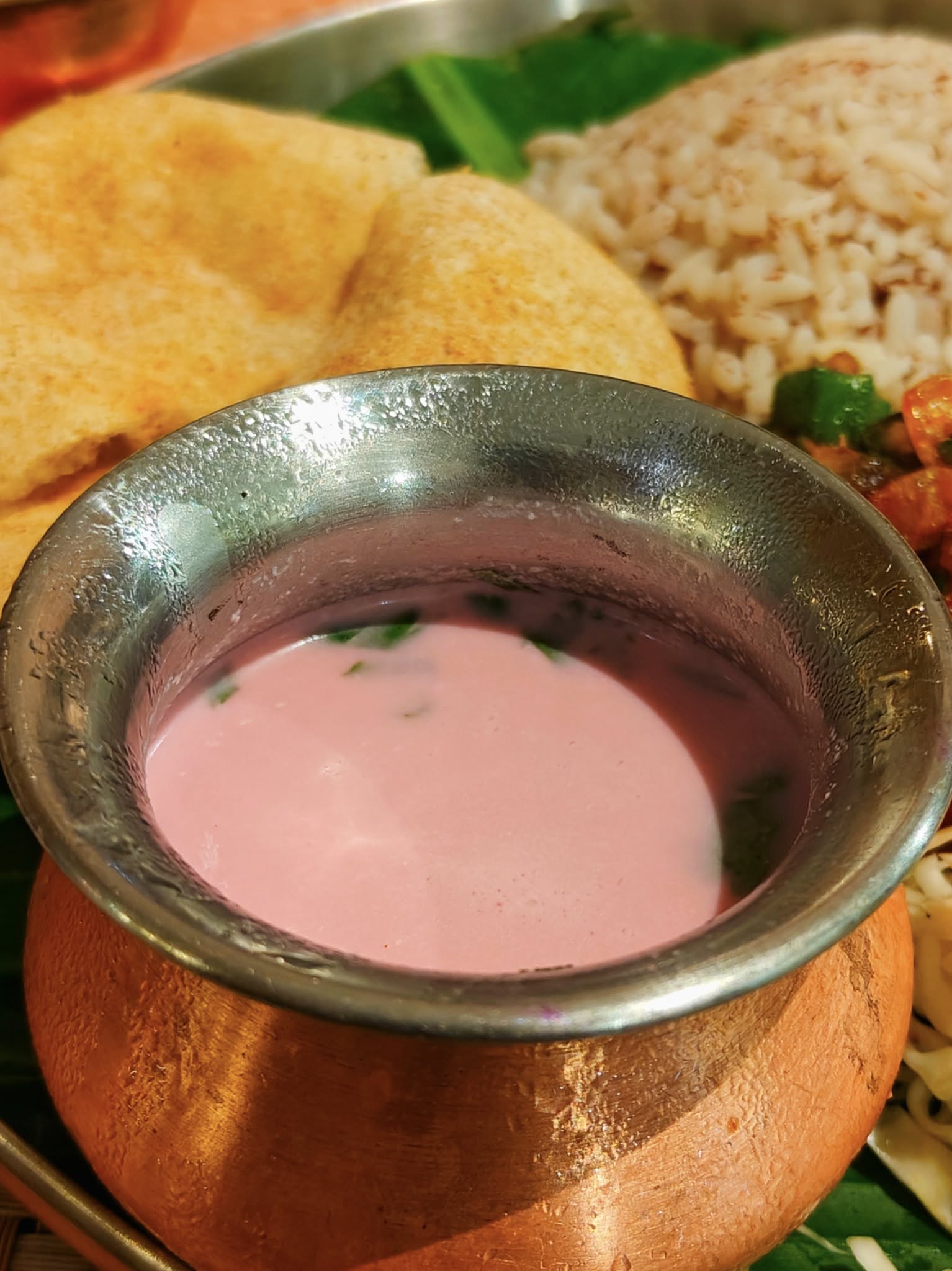
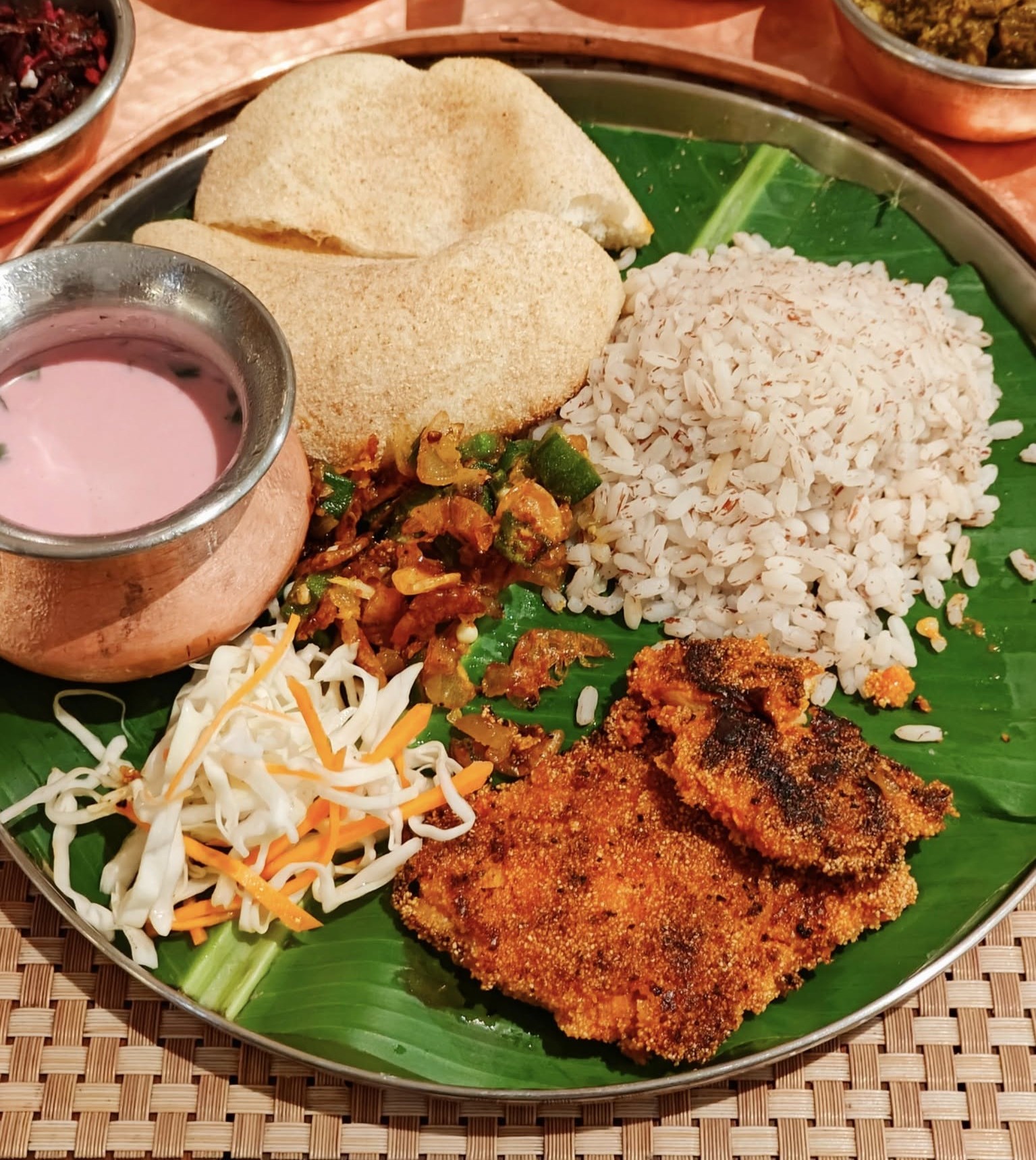
Sol Kadhi: Chilled, pink, and utterly soothing. After the spice-laden curries, this kokum-coconut milk drink felt like a hug from Goa itself – refreshing and restorative.
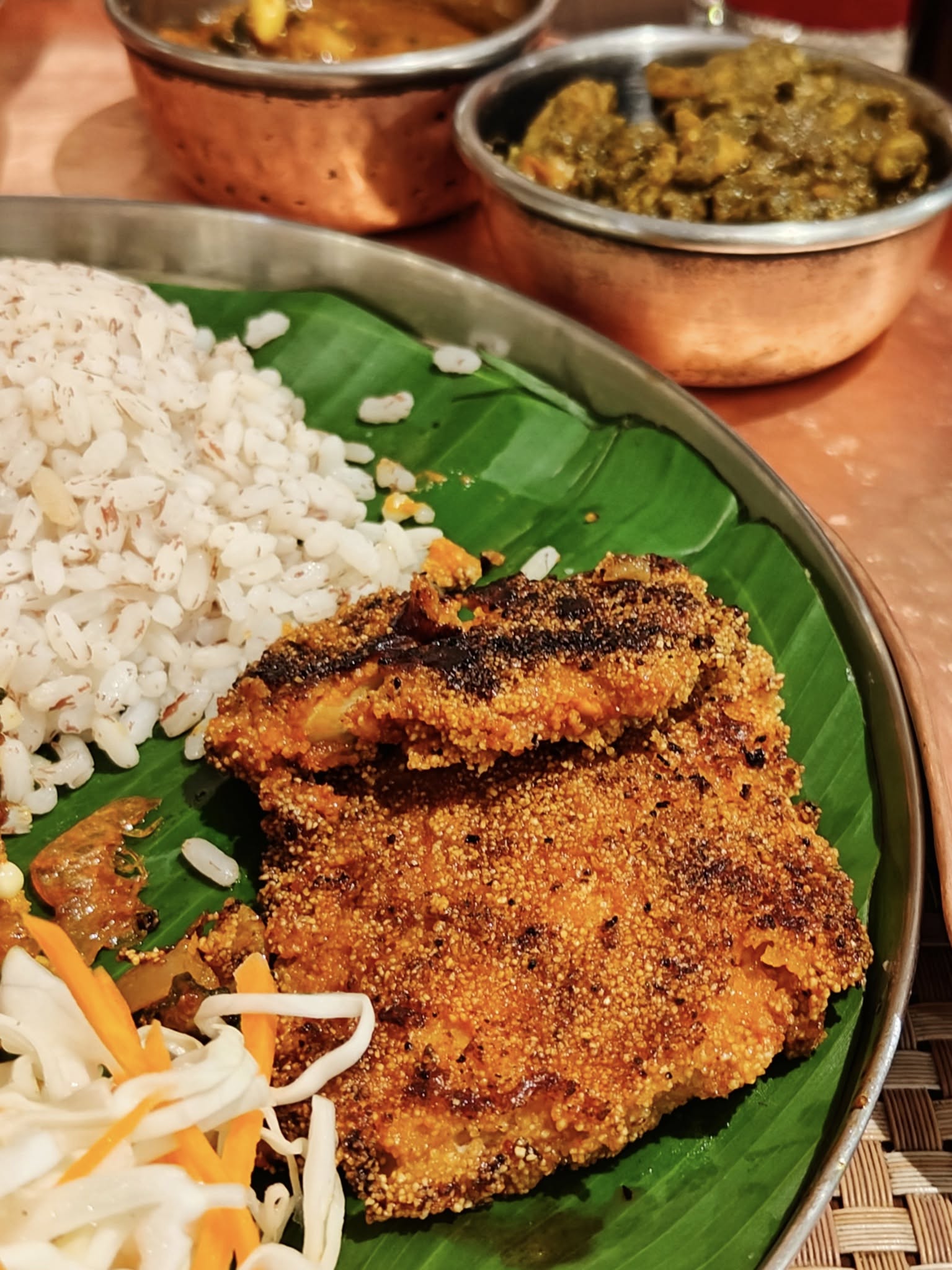
Fish Rava Fry: Golden and crisp, this was sunshine on a plate. The crunch of semolina coating against the soft fish inside instantly transported me to a Goan beach shack – only elevated in presentation.
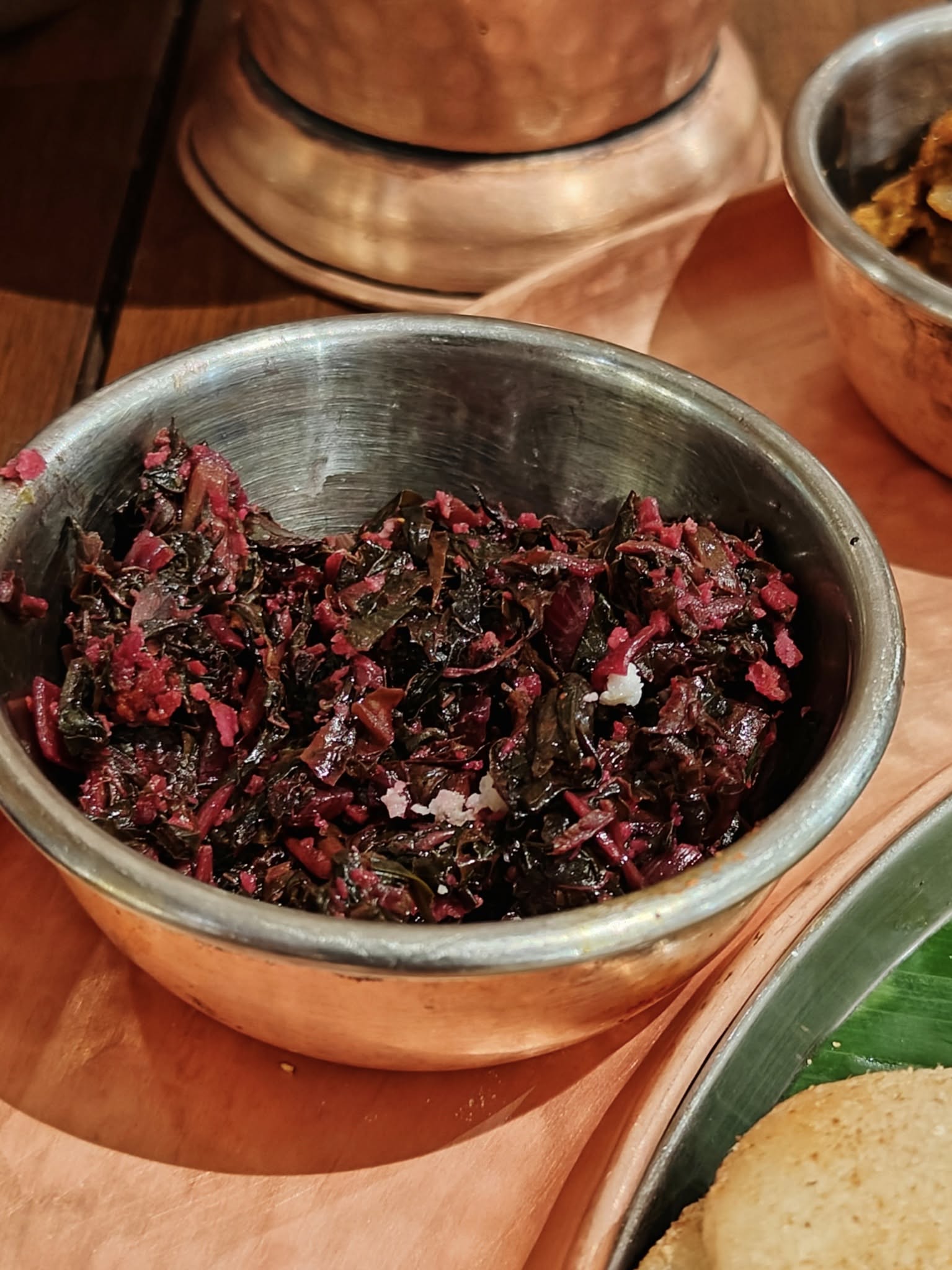
Tambdi Bhaji: Tambdi means “red”. A simple stir-fry of red amaranth leaves with onion, garlic, chilies & coconut – light, earthy, and a true Goan comfort food that pairs perfectly with rice & curry.
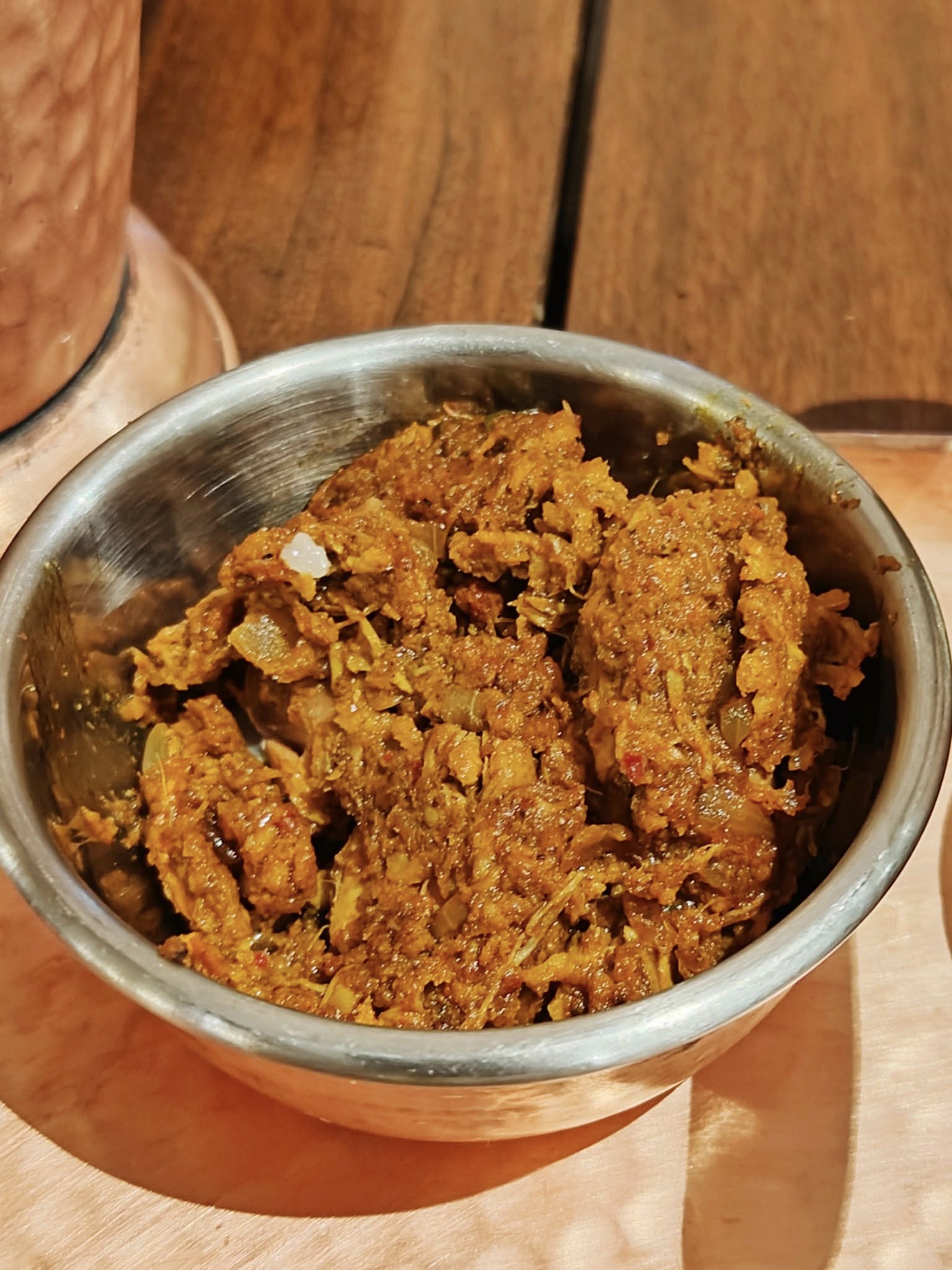
Goan Chicken Sukka: The first bite instantly hit me with the fragrance of roasted coconut and spices. It was dry, rustic, and full of texture – every morsel felt like something lovingly made in a Goan home kitchen. What I loved most was how it paired beautifully with Poi, soaking up all the masala without losing its crunch.
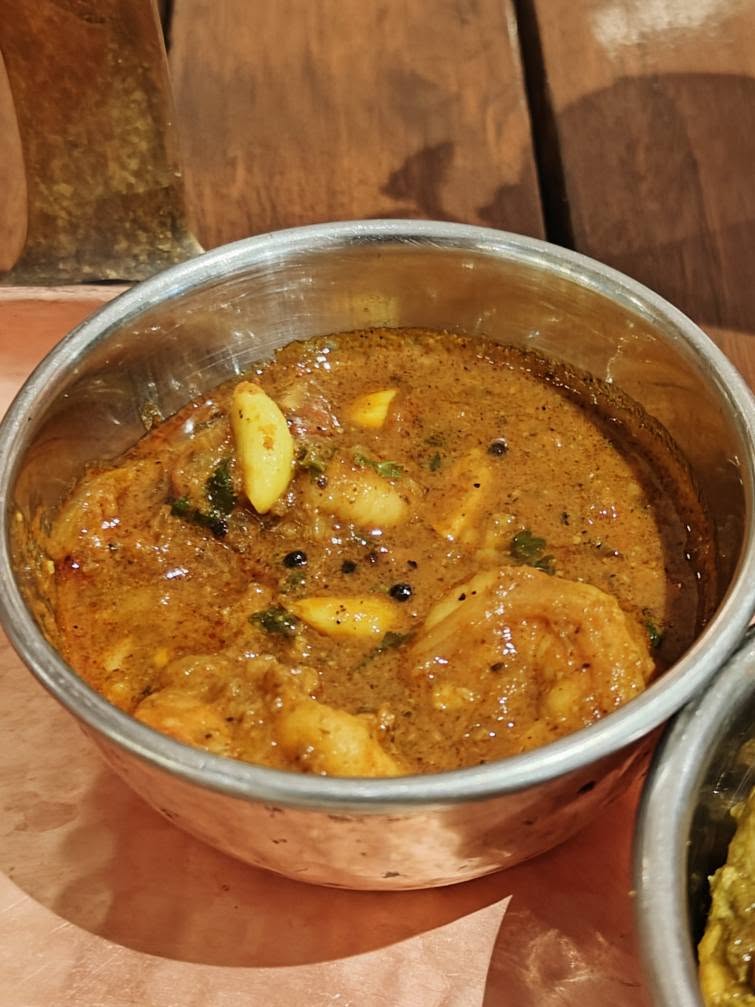
Prawn Xacutti: This dish was a revelation. A thick, nutty, coconut-based curry layered with poppy seeds and aromatic spices – it hugged the prawns in richness. I found myself slowing down with this one, savoring how every spoonful revealed new depths of flavor. It felt like Goa’s soul in a bowl – comforting yet exciting.
Chicken Baffad: This one took me by surprise with its tangy punch. Vinegar, black pepper, and ground spices came together in a way that was sharp yet warming. It had a Sunday-lunch-at-home kind of vibe – hearty, soulful, and best eaten with rice while chatting with family.
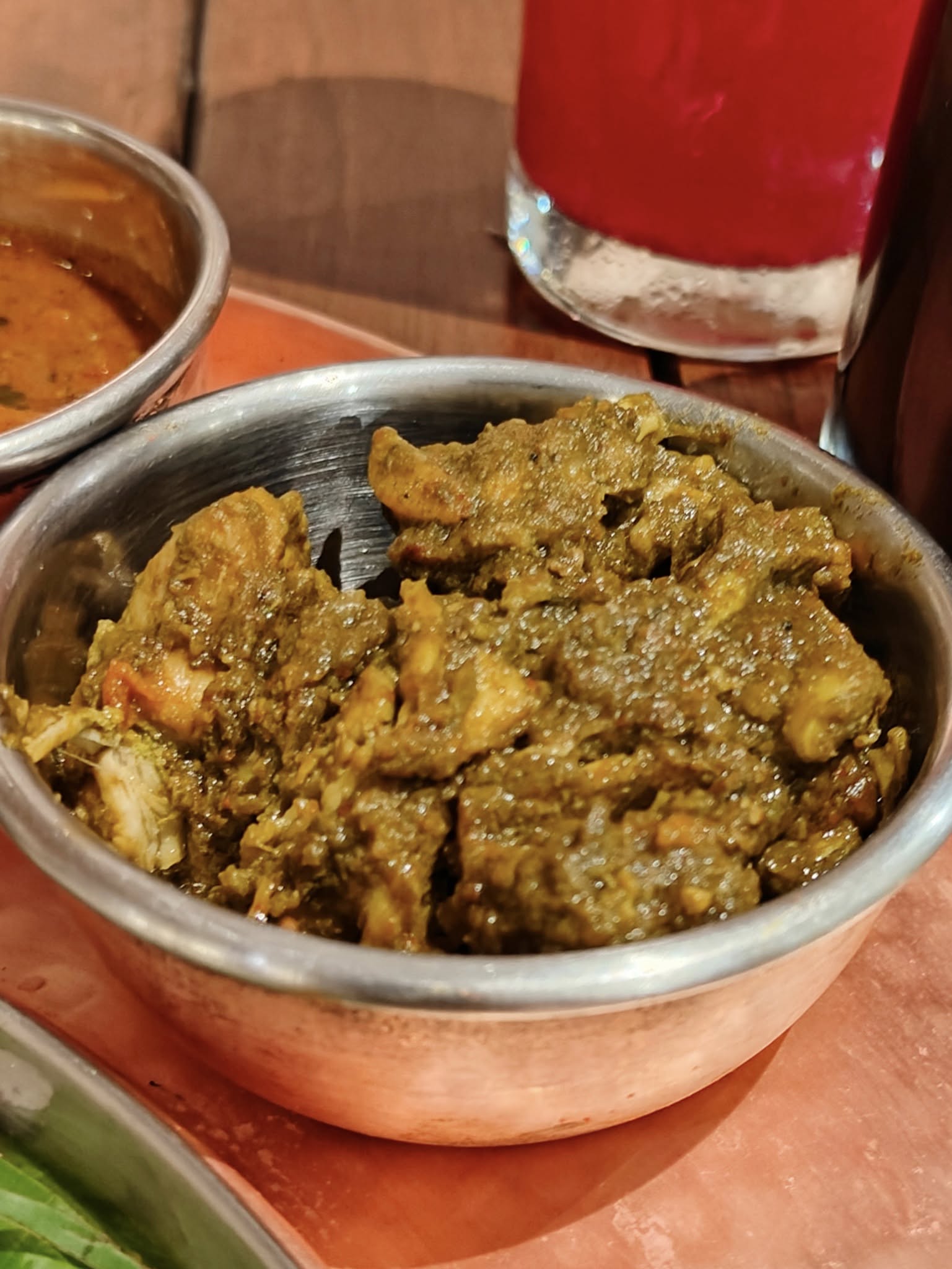
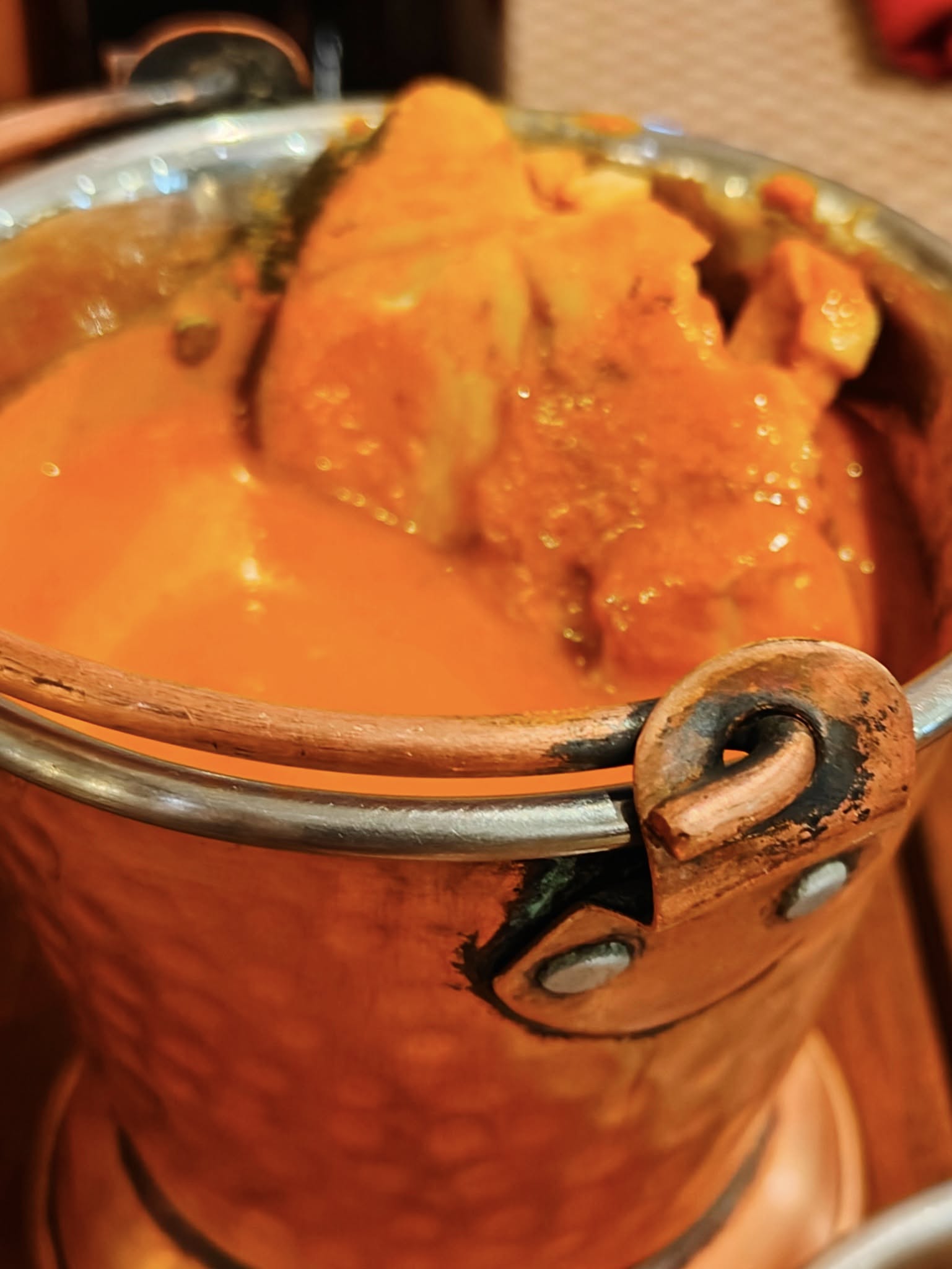
Goan King Fish Curry: The first spoonful instantly reminded me why Goans call this comfort food. The coconut-rich gravy, tangy with kokum, paired with red rice, tasted like the ocean and the land coming together in harmony.
Every element—from the nutty Goan Red Rice and wood-fired Poee to the crunchy Papad, simple Village Salad, and savory Vegetable Bhaji (mine had okra)—told me one simple truth: in Goa, food is celebrated, not just eaten.
My Favorite “Eat Like a Local” Discoveries for Breakfast
Because the true taste of Goa isn’t just found on the beach, it’s in every simmering pot and spice blend that tells a story.
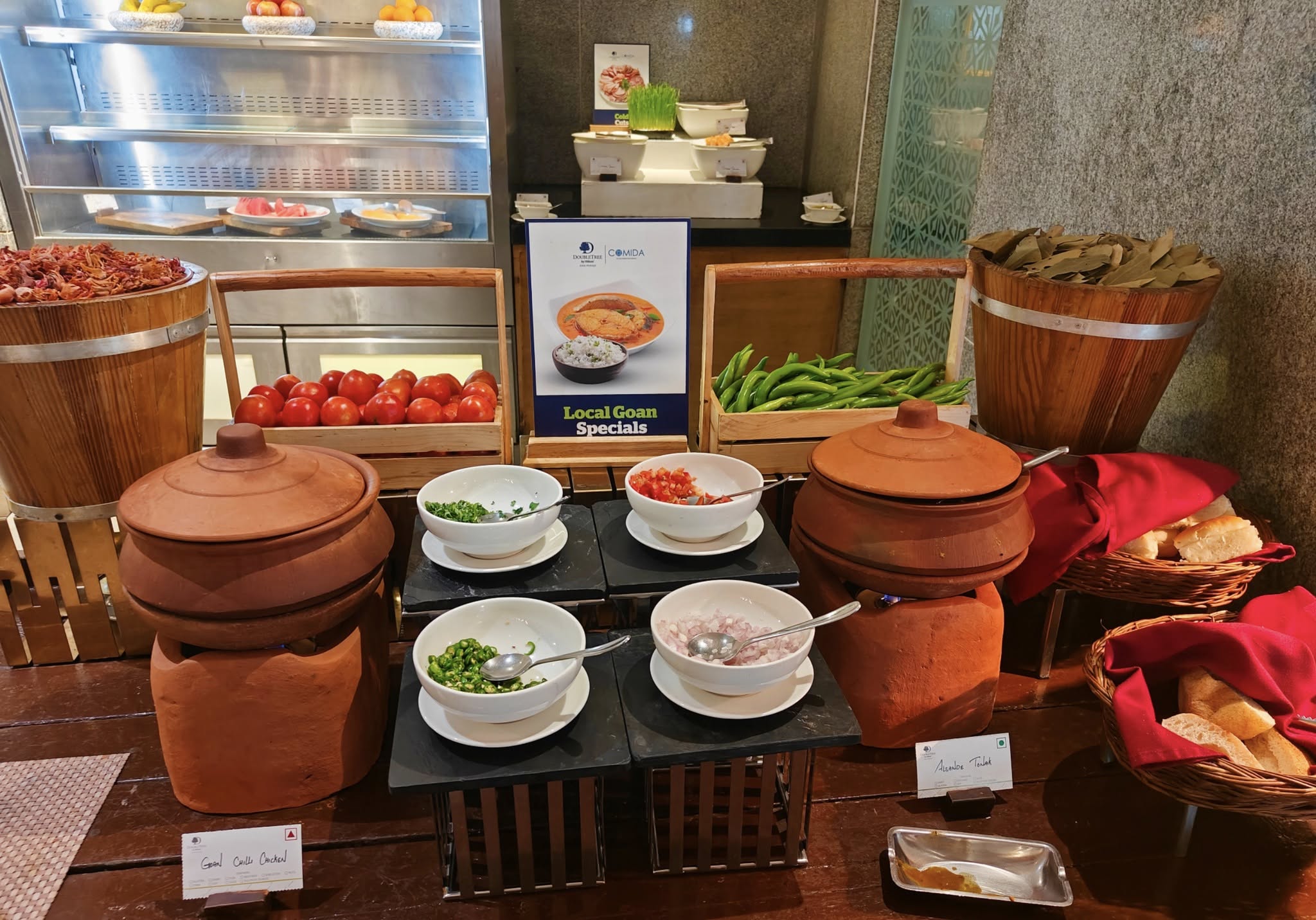
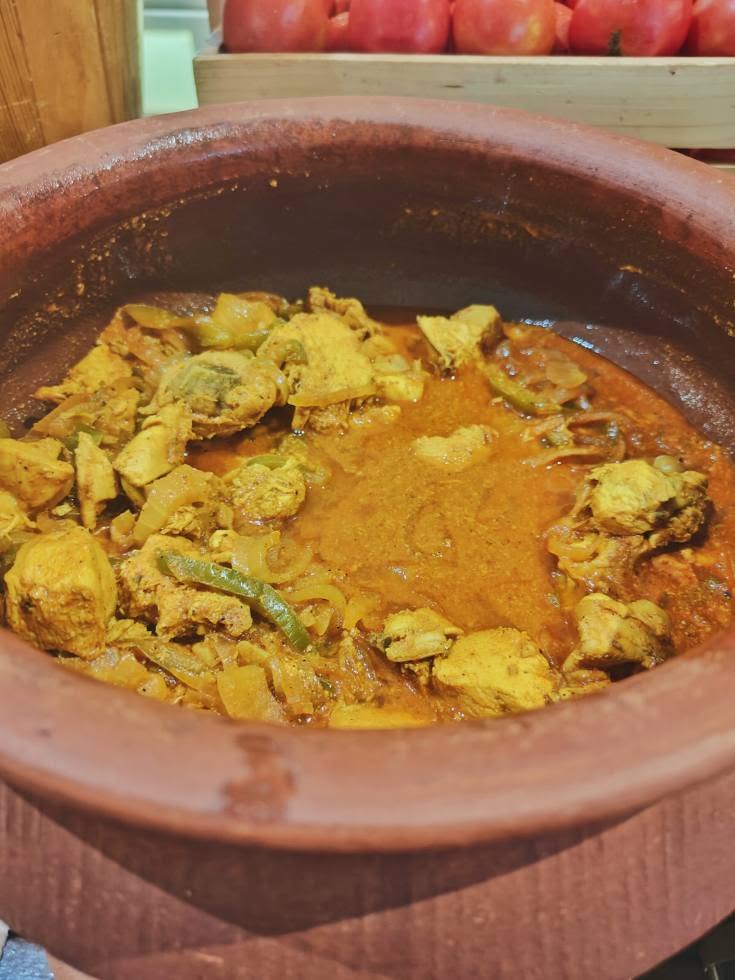
Ambot Tik: A fiery, tangy Goan curry where Ambot means “sour” and Tik means “spicy.” Traditionally made with fish, I tried the chicken version — and it was a perfect balance of heat and zest!
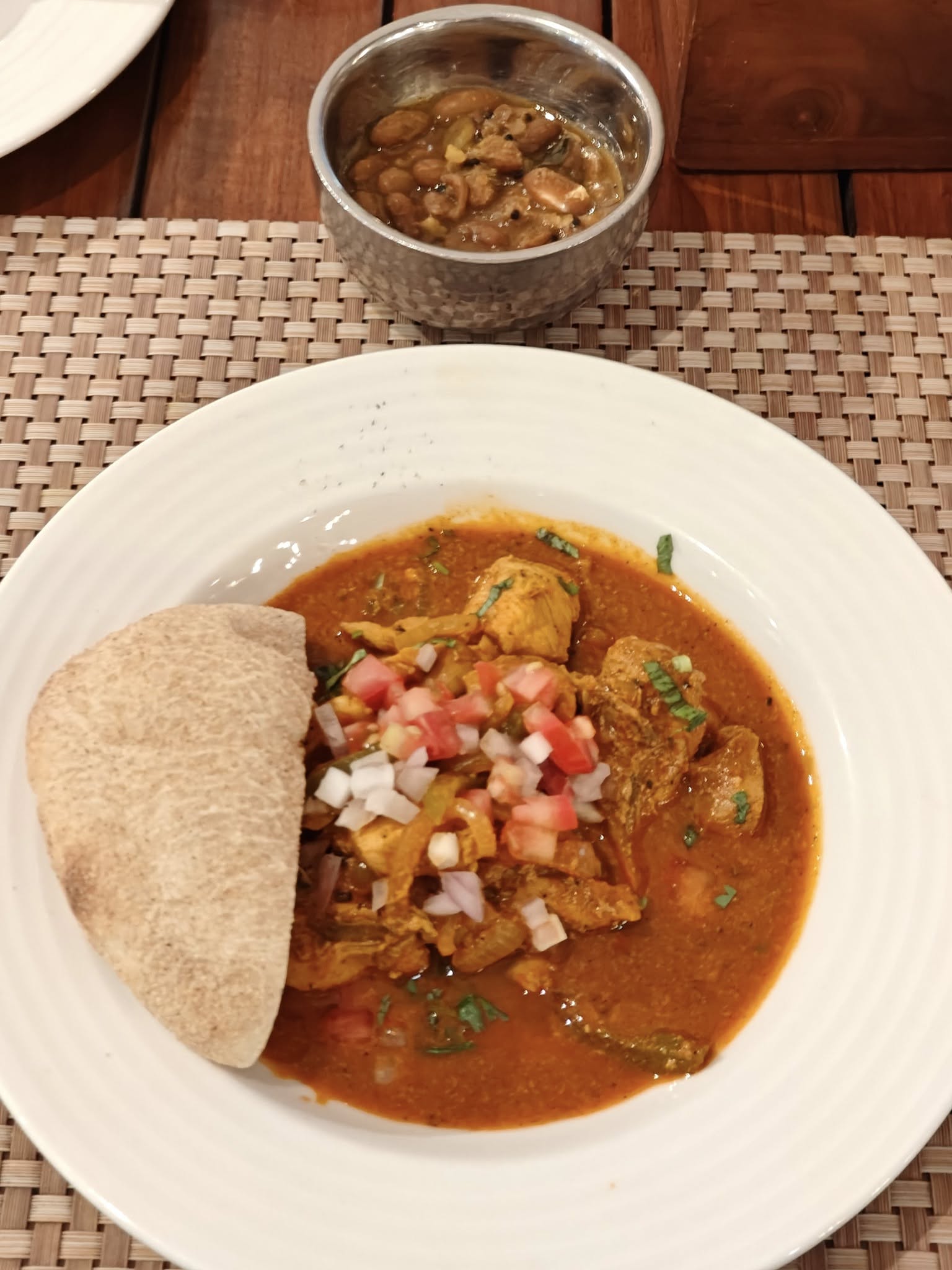
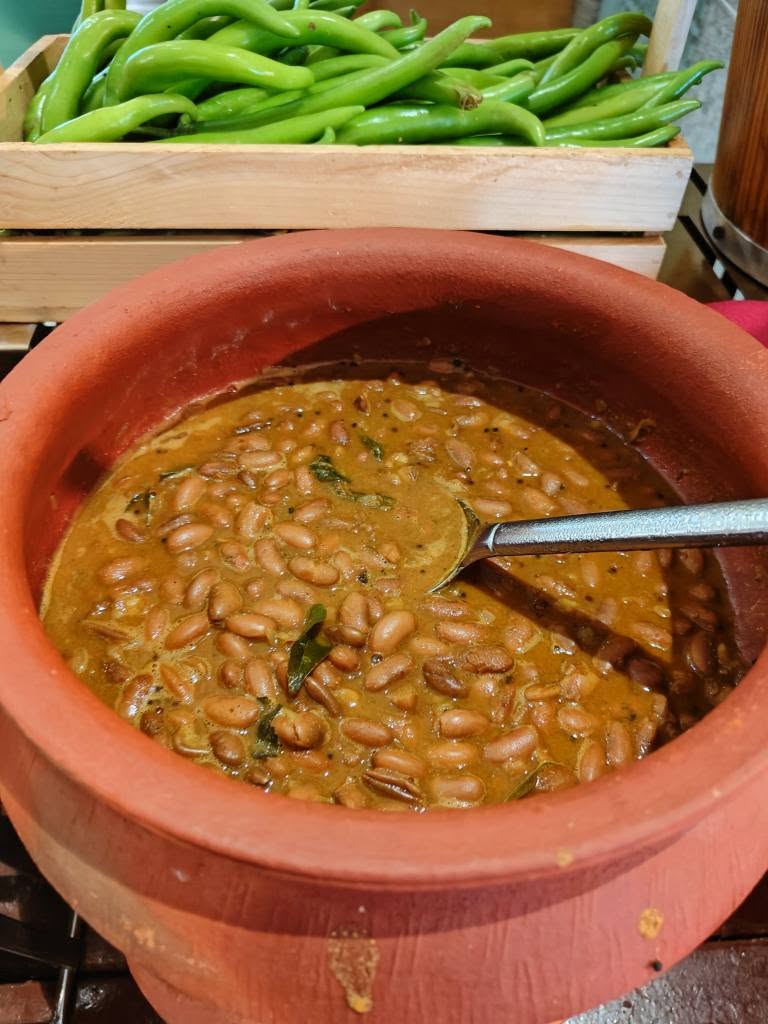
Alsanyache Tonak: Tonak means “gravy” or “curry”. A rich coconut-based curry made with red beans (alsane). Comforting, earthy.
4. Rainy Days & Local Curries: Fairfield by Marriott, Benaulim
On one of those beautiful, slow days where the rain started falling outside, I decided to stay curled up in my room and order in-room dining at the Fairfield by Marriott. Sometimes, the best holiday plans are no plans at all.

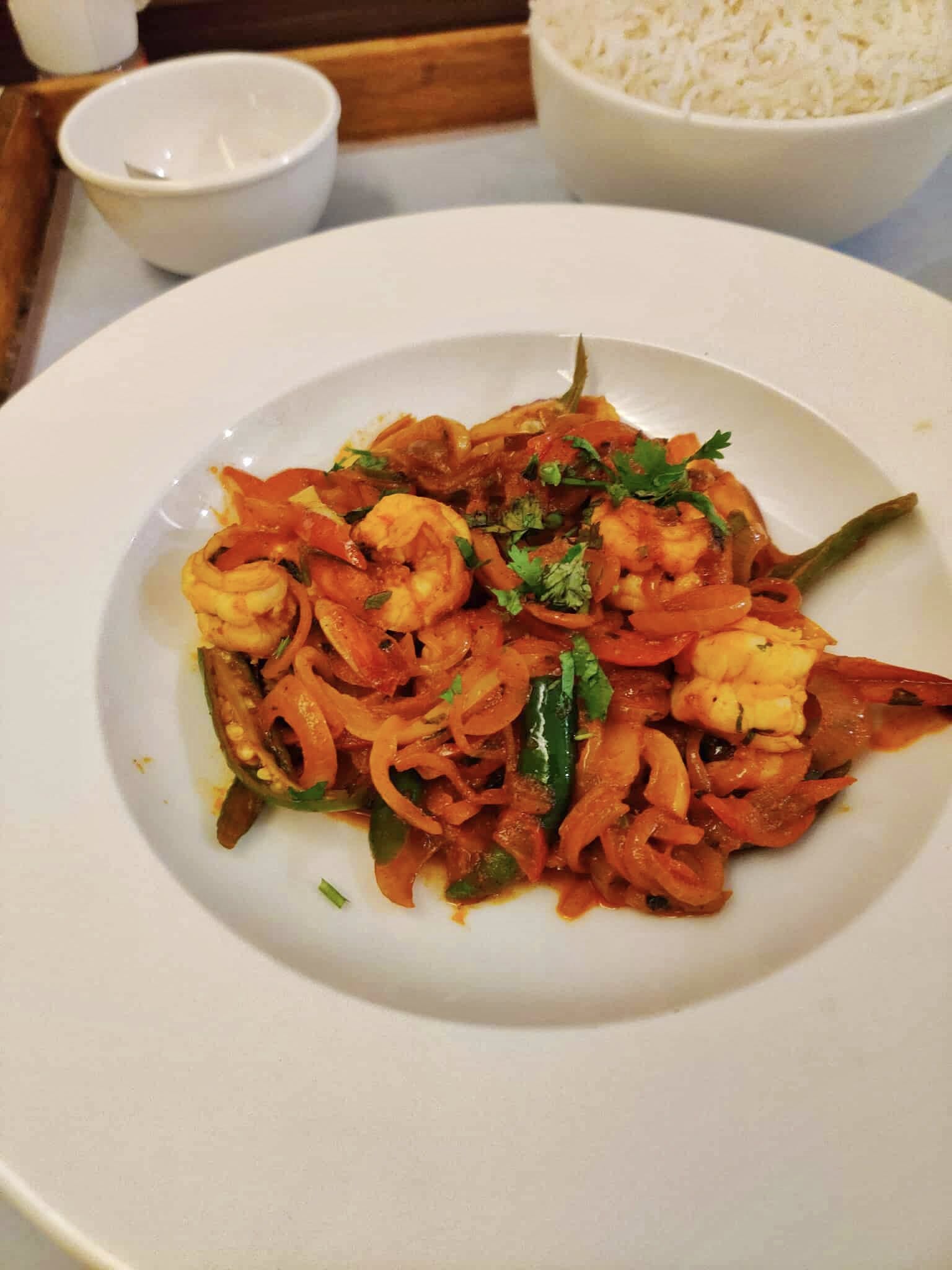
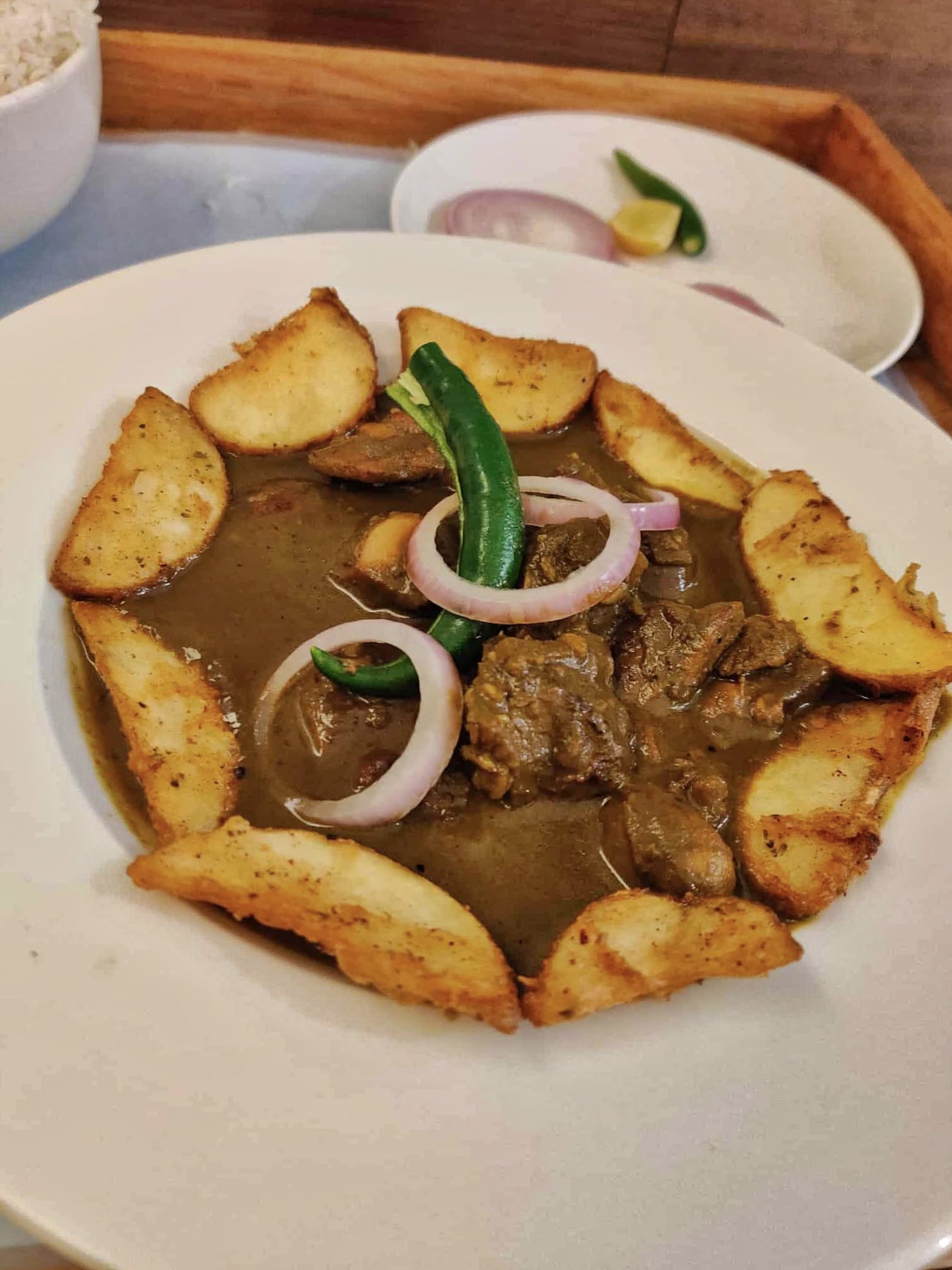
I treated myself to the silky comfort of Prawns Caldinho and Chicken Cafreal served over steaming rice.
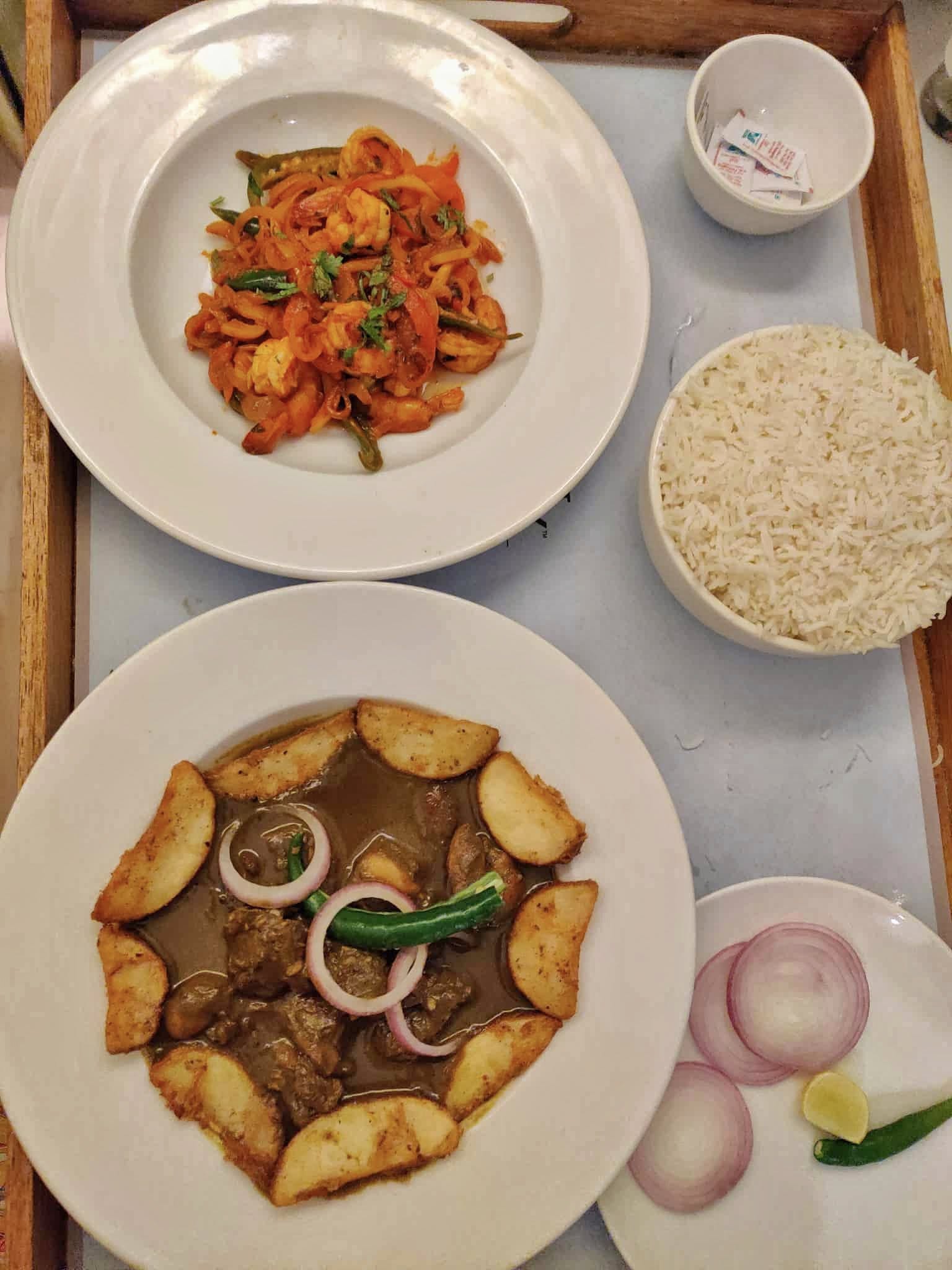
Prawns Caldinho (or Caldeirada): It is the absolute antidote to Goa’s fiery, chili-heavy curries. It is a silky, soothing, and brilliantly aromatic coconut stew.
Chicken Cafreal: Goa’s ultimate green monster of a dish—a vibrant, herb-packed masterpiece with fascinating Afro-Portuguese roots, brought to the coast via Mozambique. The chicken is steeped in a thick marinade of fresh coriander (cilantro), spicy green chilies, ginger, garlic, cloves, cinnamon, and a sharp splash of toddy vinegar. The meat is shallow-fried or pan-roasted until tender, slightly charred on the edges, and beautifully coated in a thick, concentrated reduction of the green herbs.
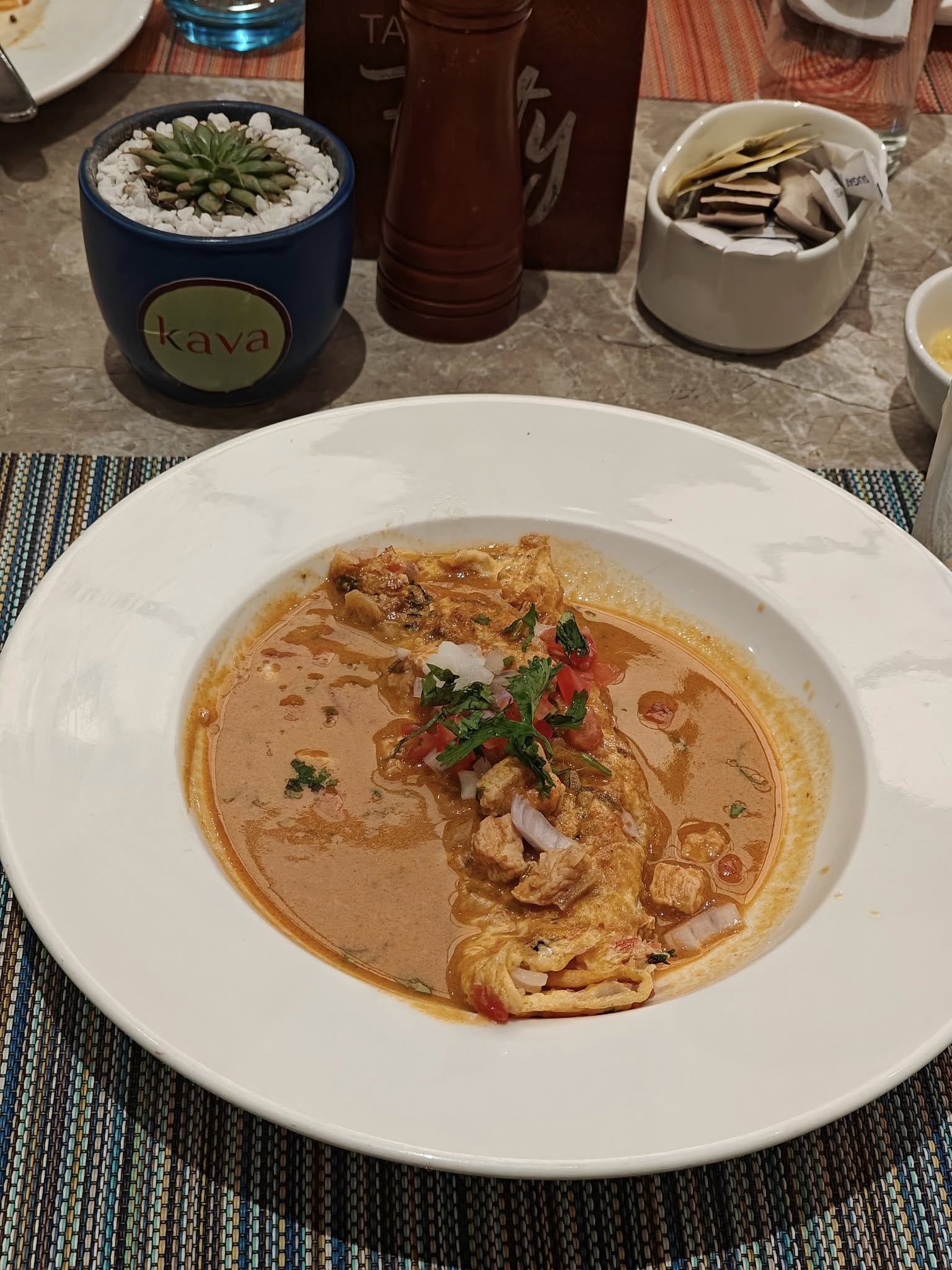
When I did venture down to the morning buffet, I was thrilled to find a mix of coastal warmth and regional spice.
Goan Ros Omlette: A spicy, soul-soothing chicken gravy poured over a fluffy omelette and this humble local dish is comfort food at its best. It’s an emotion in Goa.
Misal Pao: A fiery Maharashtrian classic that packed a punch and kept the taste buds dancing!
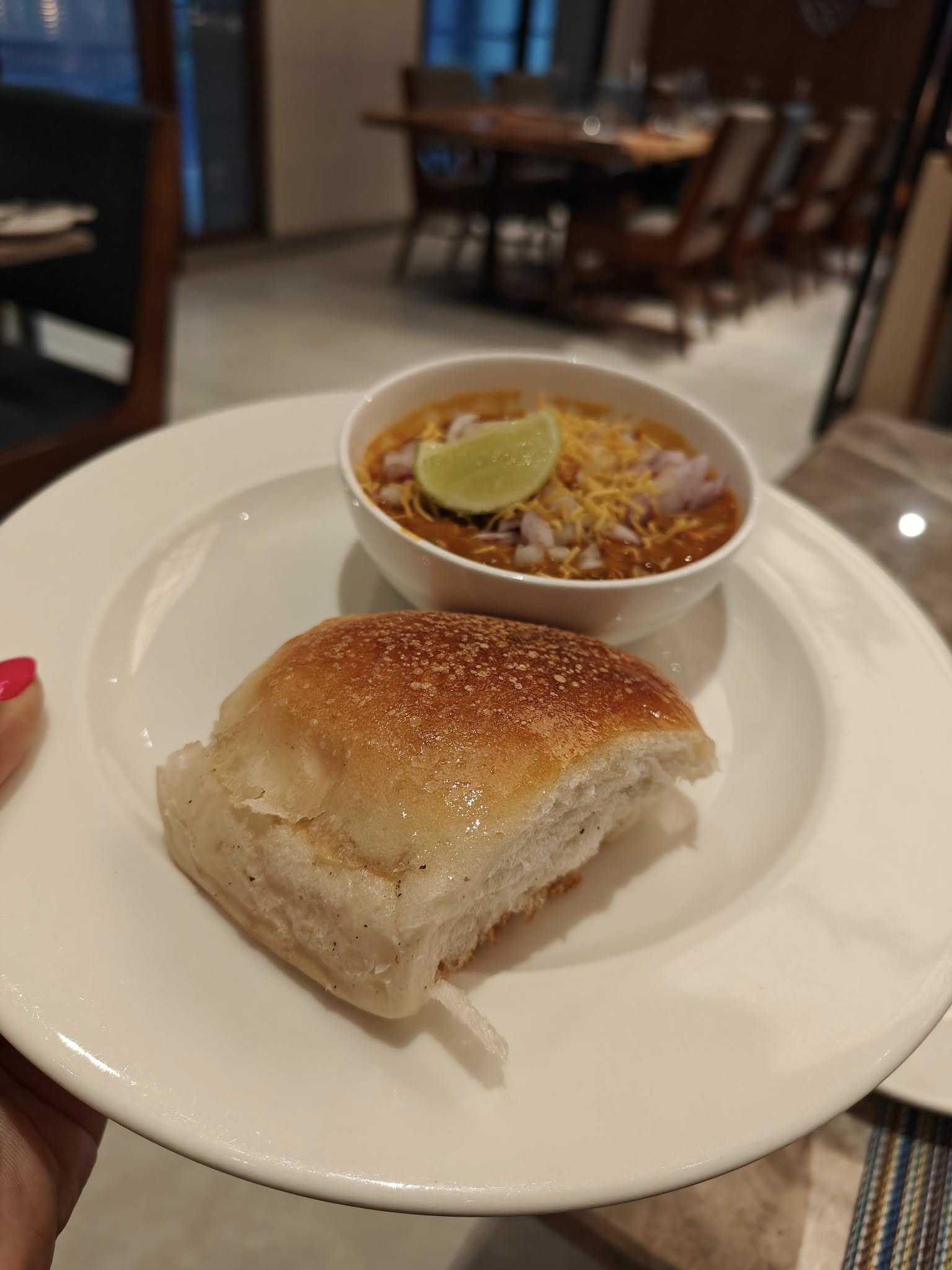
Sometimes the best plans are no plans — just good vibes, and the sound of rain outside.
5. Sunset, Music, and Susegad at Fisherman’s Wharf
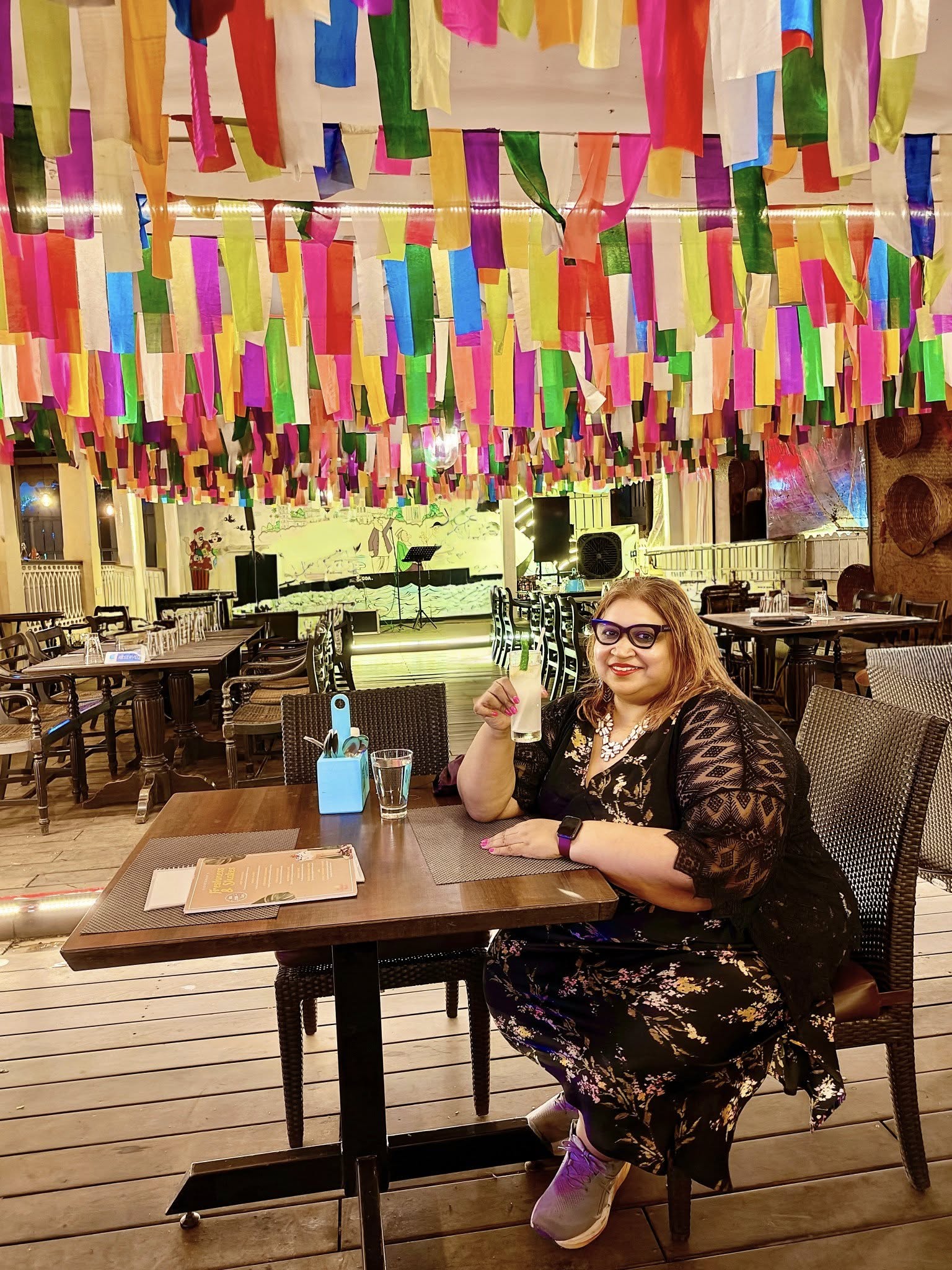
To wrap up my food trail, I knew I had to visit an old favorite: Fisherman’s Wharf. This place perfectly captures the essence of Goa—Goa on a plate, Goa in a glass, and Goa in the air!

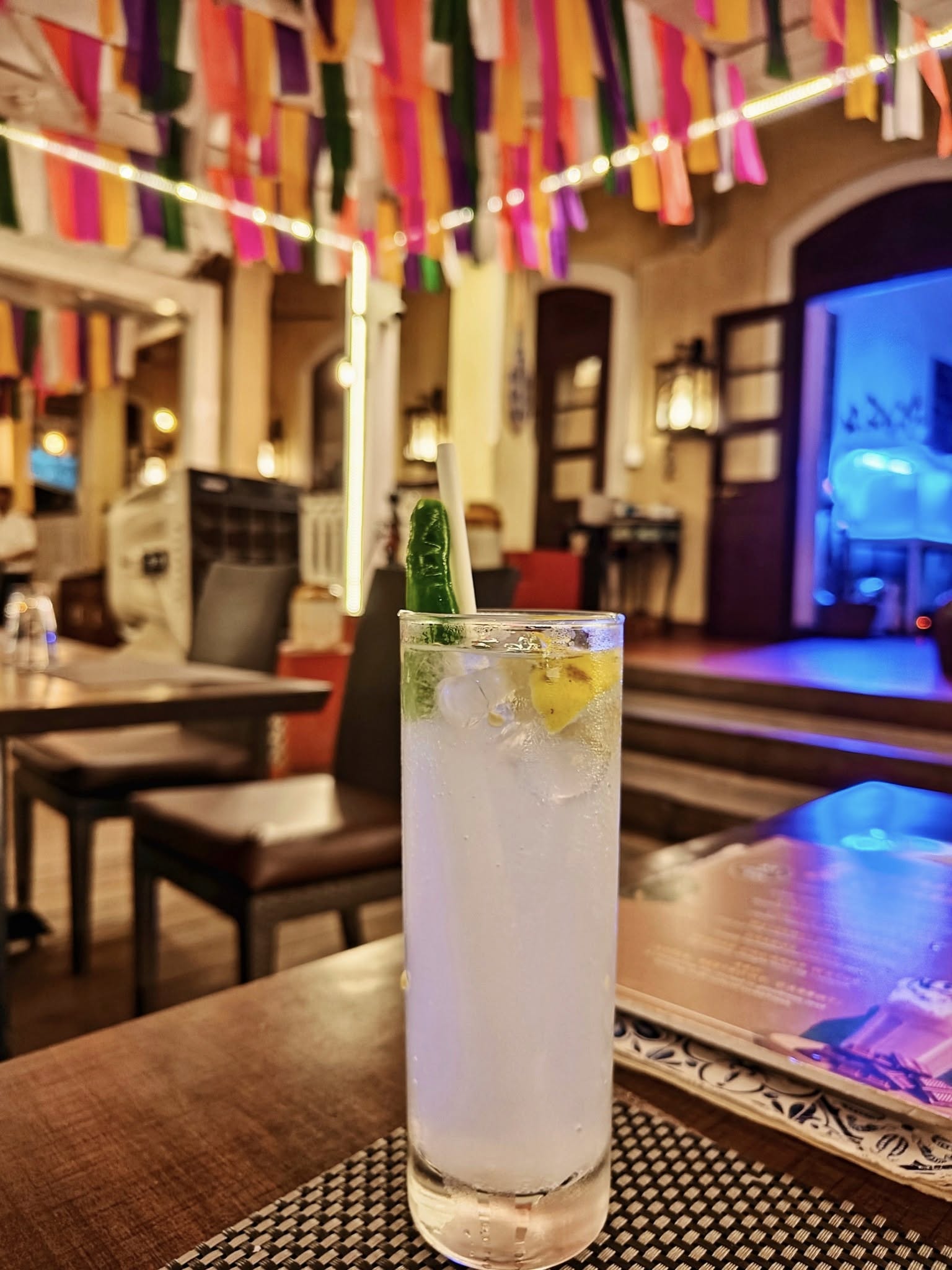
Urak: I started the evening with a chilled glass of Urak, Goa’s seasonal cashew drink. It was smooth, cloudy, and incredibly refreshing—the ultimate precursor to the heavier summer Feni. During the summer cashew harvest, the very first distillation produces Urak. It is cloudy, low-alcohol, incredibly smooth, and a local obsession when mixed with Limca, a squeeze of lime, and a split green chili.
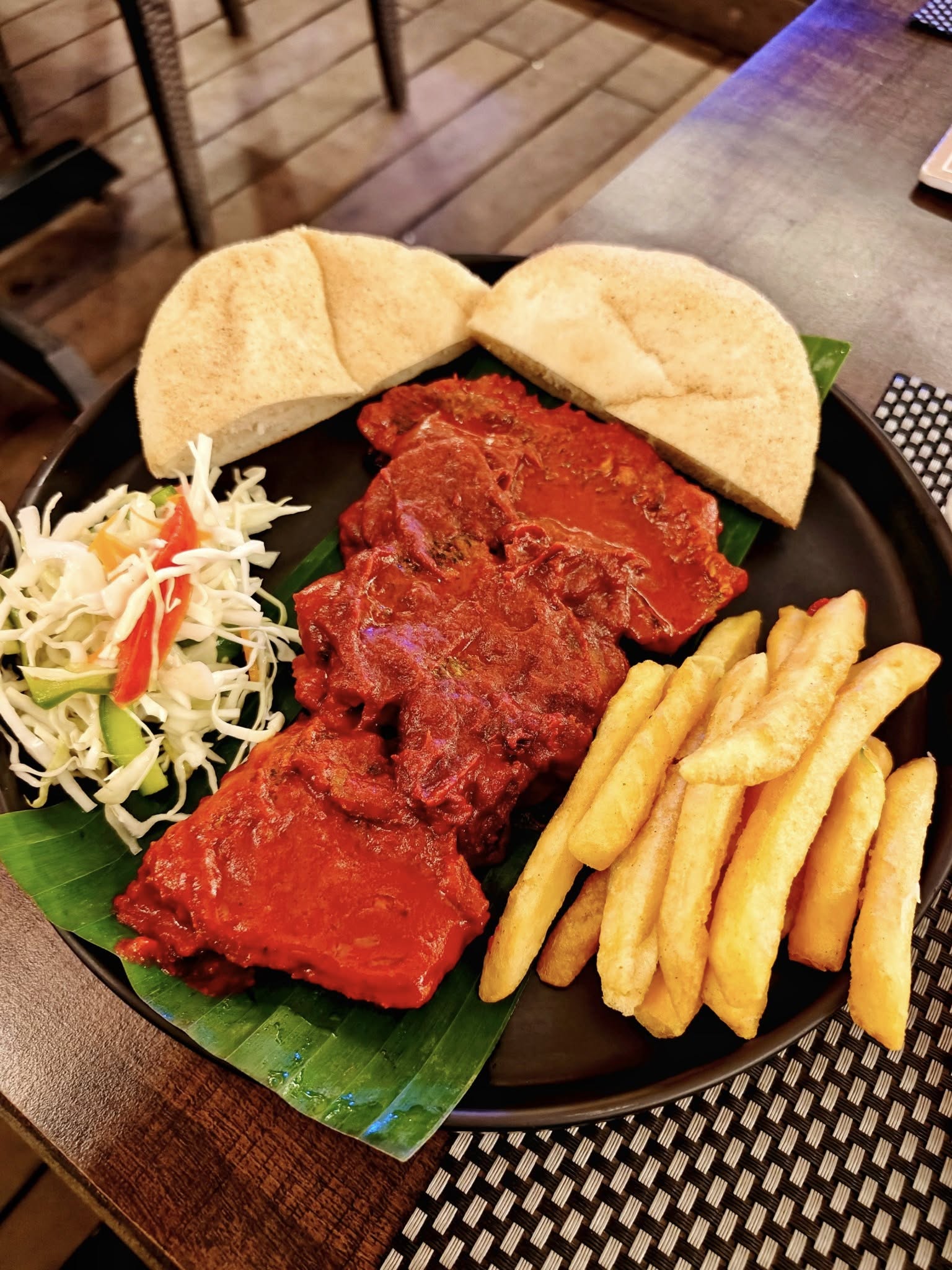
Red Snapper: Tossed in fiery Rechado masala – tangy, spicy, and bursting with coastal flavors.
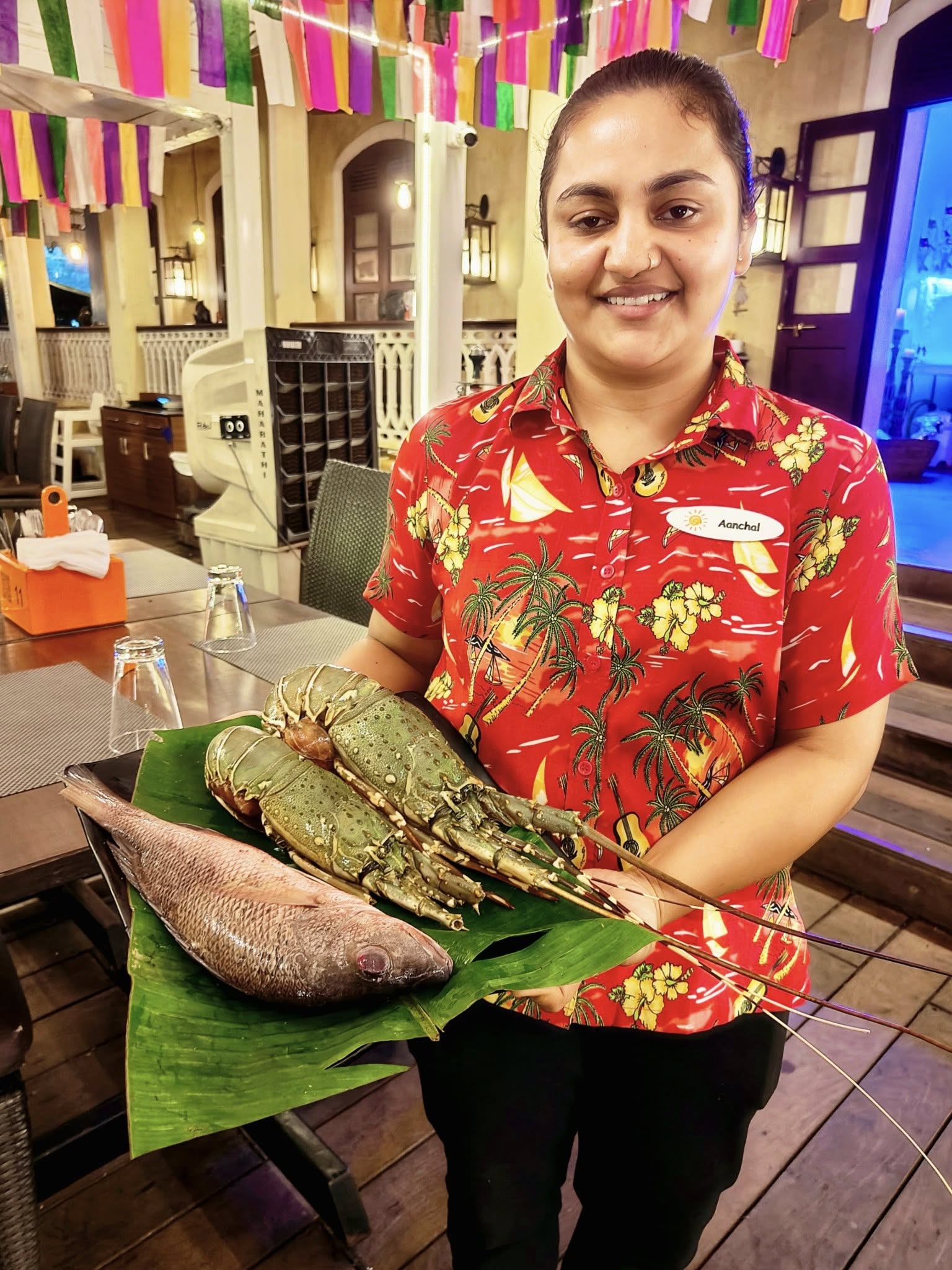
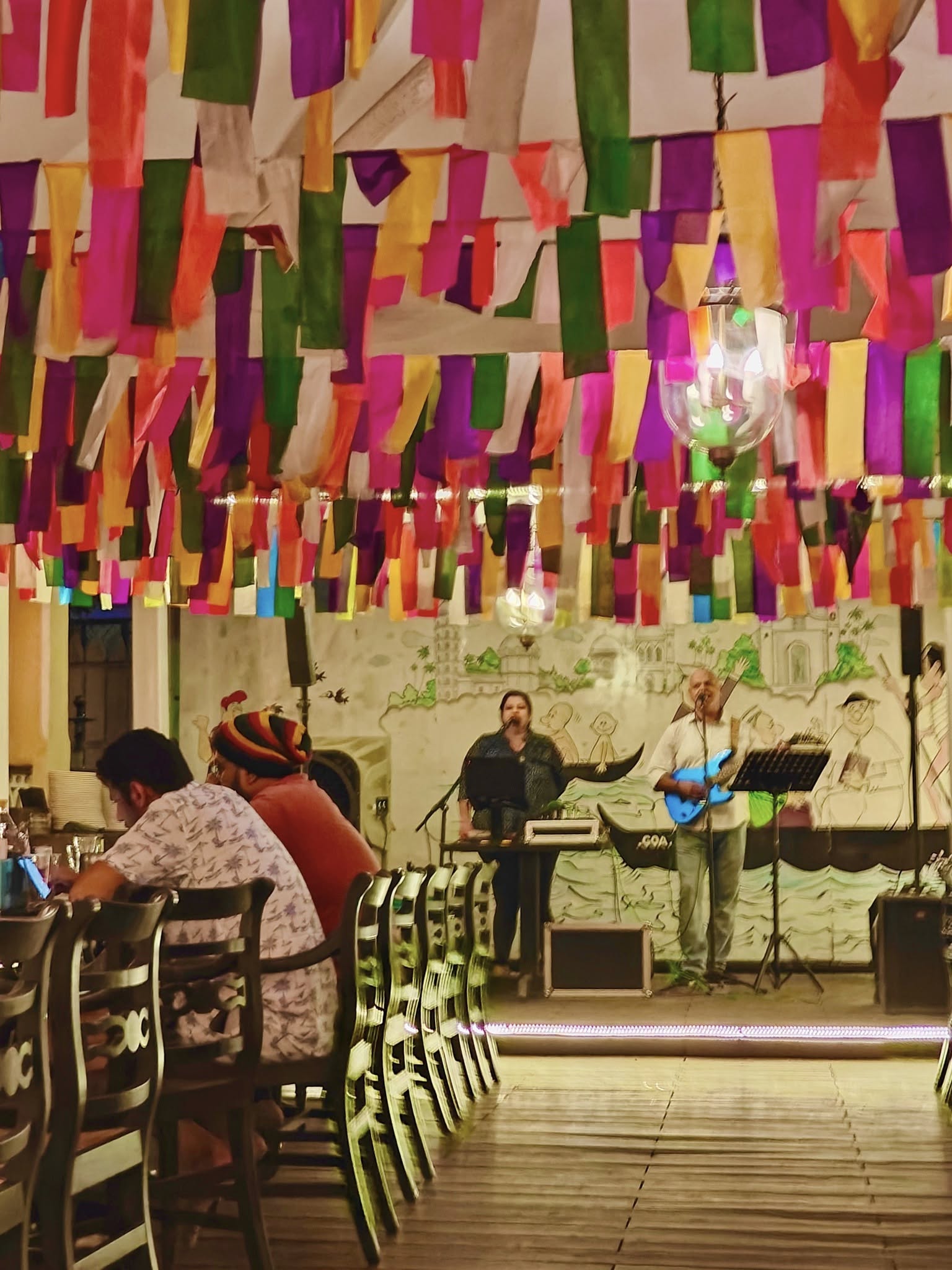
With live Goan music setting the mood, tables buzzing with laughter around me, and the cool riverside air wrapping around the evening, it felt like capturing a slice of Goa’s very soul.

💡 My Personal Tips for Your Goan Food Adventure
- Trust the Local Bakers: Always opt for Poee or Pav over standard sandwich bread. The local poders (bakers) make them with a distinct texture that is practically engineered to soak up heavy, vinegar-based Goan gravies.
- Embrace the Tang: Goan food relies heavily on souring agents like local toddy vinegar and Kokum. Don’t be intimidated by the tang—it’s exactly what cuts through the richness of the coconut and fresh seafood.
- Slow Down: Goan food isn’t meant to be rushed. Sit back, order a local drink, listen to the music, and let yourself slip into that beautiful, slow-paced susegad state of mind.
🔗 Helpful Links to Plan Your Journey
- To discover regional food festivals, historic spice plantations, and heritage food trails, head over to the Goa Tourism Development Corporation (GTDC) Portal.