
By Pamela Nandi | Apr 24, 2026
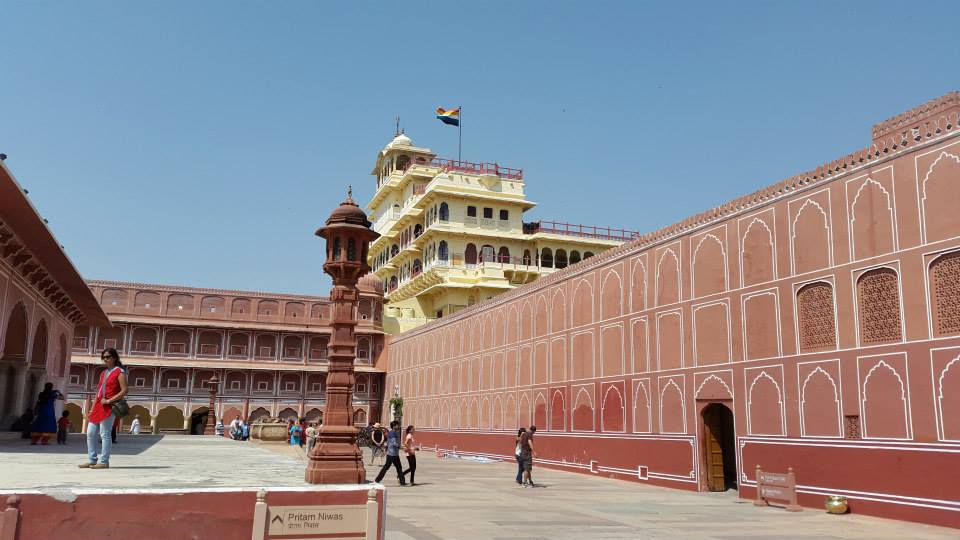
A world of elegance and many wonders from the majestic forts and palaces to the stunning temples, the Old City, or “Pink City” Jaipur is packed with beautiful palaces, sprawling museums, incredible food and much more. Located in the north-western Indian state of Rajasthan, this capital city was founded by Maharaja Sawai Jai Singh II on November 18, 1727, also part of the West Golden Triangle.
My blog is a guide for those with only a short time to spend in Jaipur, to explore the remarkable sightseeing destination.
MY ARRIVAL: Flew from Kolkata to Jaipur and checked-in to the hotel in the evening.
TIP: I opted for a private car to explore the royal city comfortably. I enjoyed the panoramic views of the Pink City and the outskirts of Jaipur.
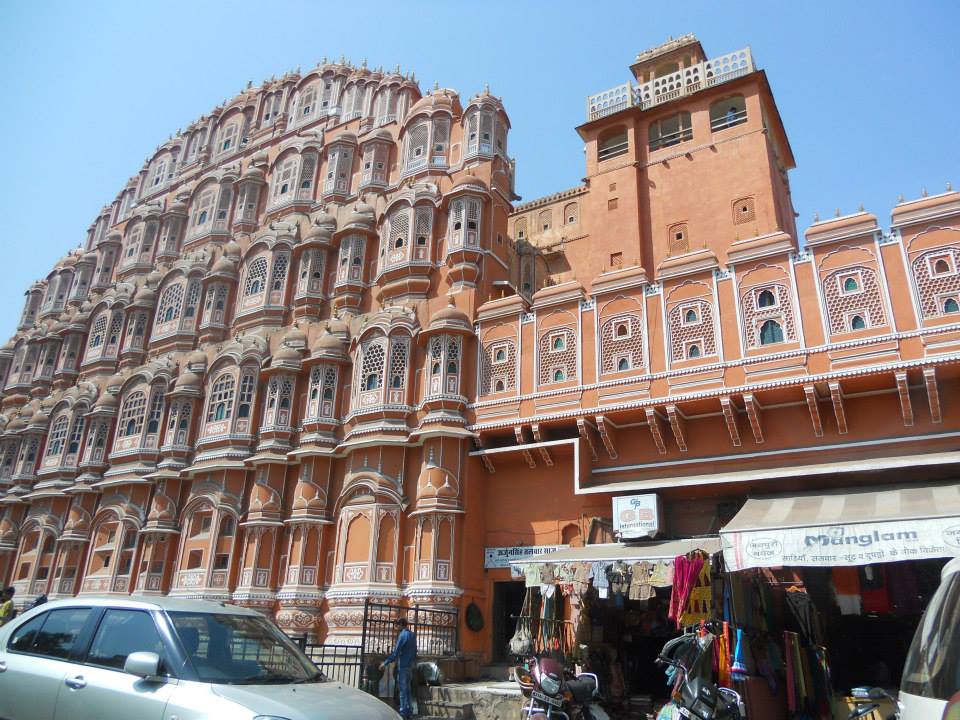
DAY 1: Hawa Mahal
My first destination was Hawa Mahal or Ball Room (Palace of Winds or Breeze) for a photo stop. A 5-storey tall pink sandstone palace nestled right in the heart of the city. An architectural masterpiece built in 1799A.D with semi-octagonal and delicately honeycombed windows. Designed by Lal Chand Ustad, a palace for music and entertainment of the rulers. It was made for Maharaja Sawai Pratap Singh, the grandson of the founder of Jaipur.
DAY 1: City Palace
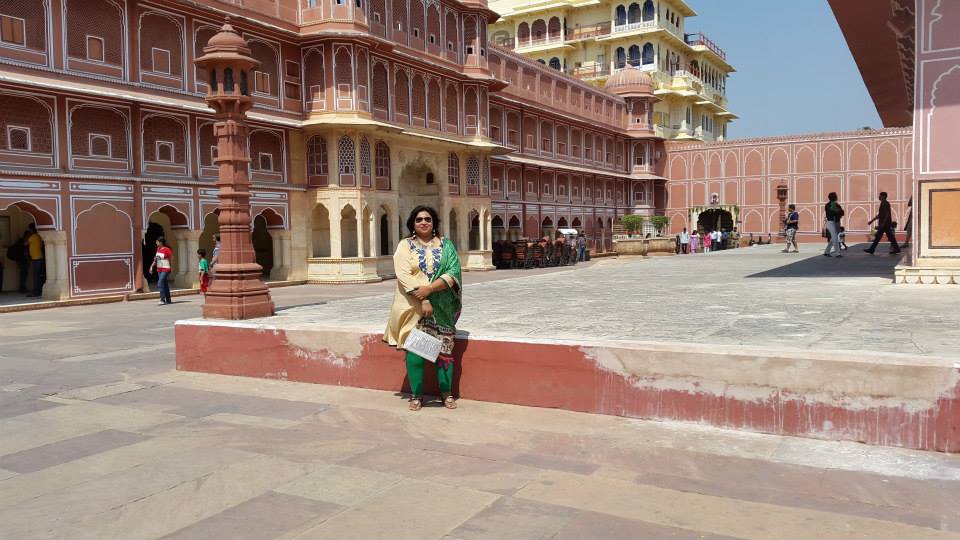
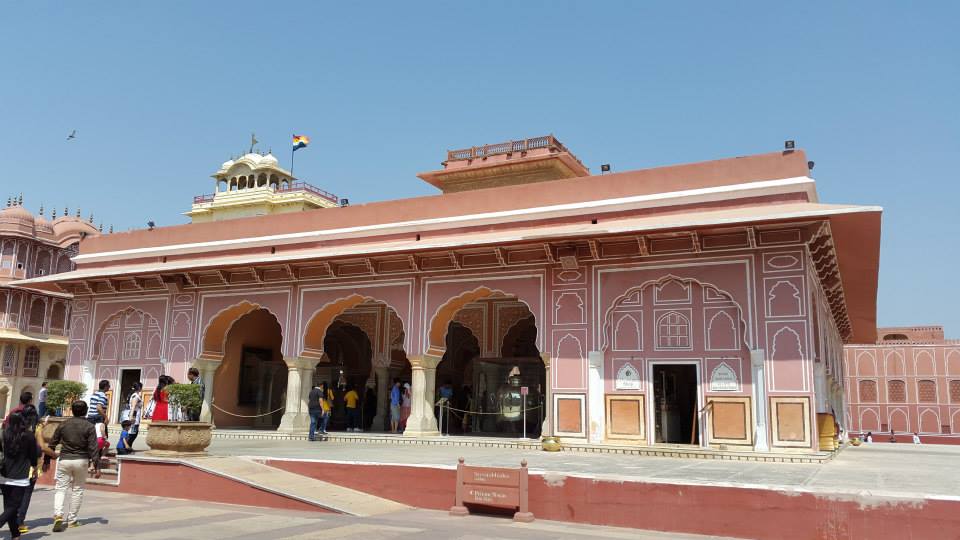
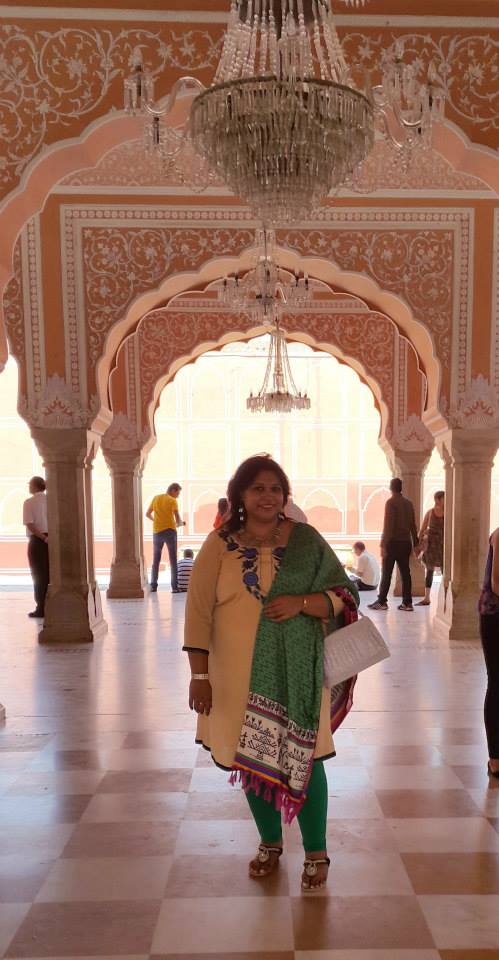
Located in the heart of the old city, you must take a sneak peek to the palace that once served as the royal residence of the King of Jaipur. A captivating fusion of Rajasthani and Mughal styles, tthe palace features carved arches, intricately crafted columns, vast courtyards, manicured gardens and beautifully built mahals. Founded in 1727 by Maharaja Sawai Jai Singh II , every corner showcases a symbol of royalty and glorious past of Jaipur.
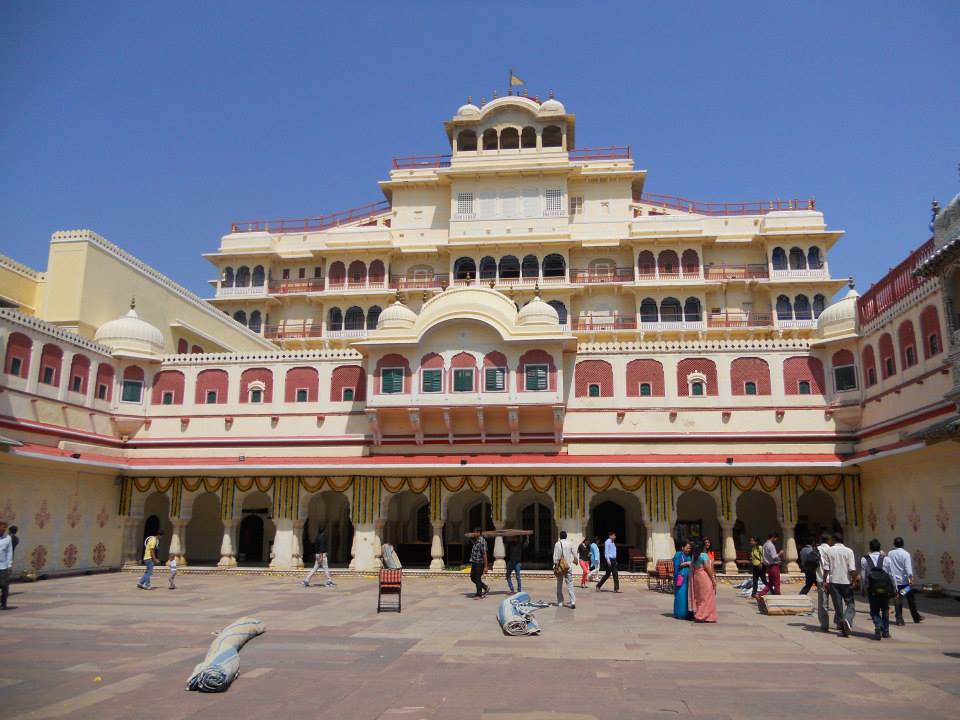
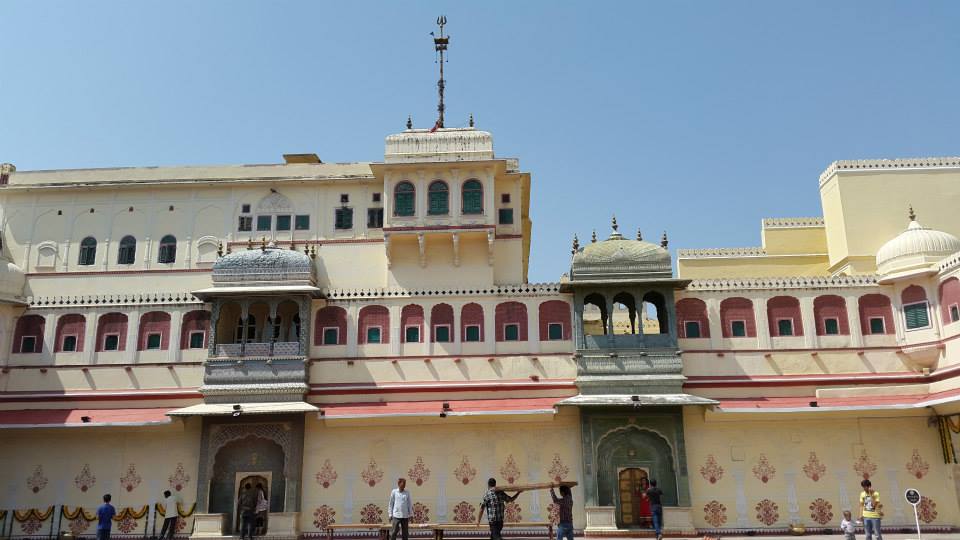
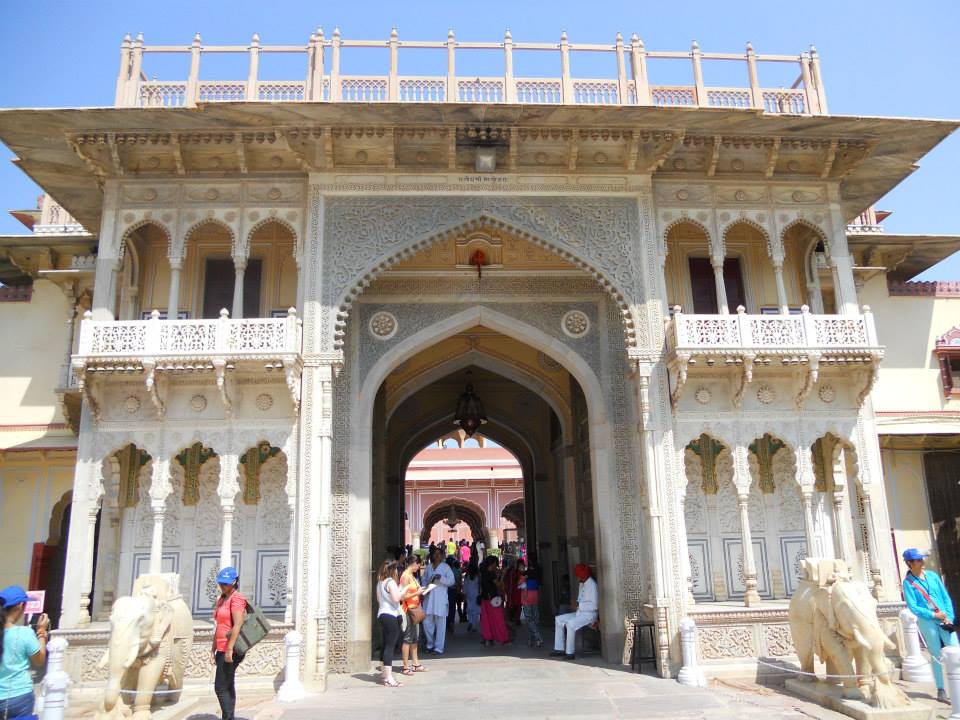
Left the Mubarak Mahal and started making my way towards a big gate made out of stone that had intricate carvings on it. It is called the Rajendra Pol: Enter the Opulence
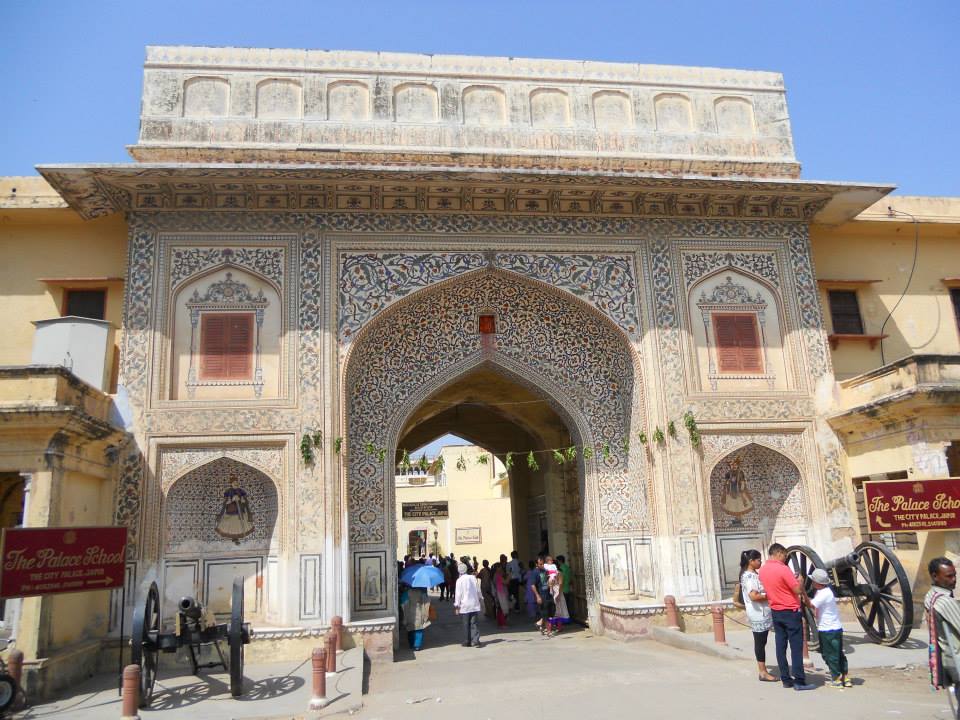
DAY 1: Amber Fort
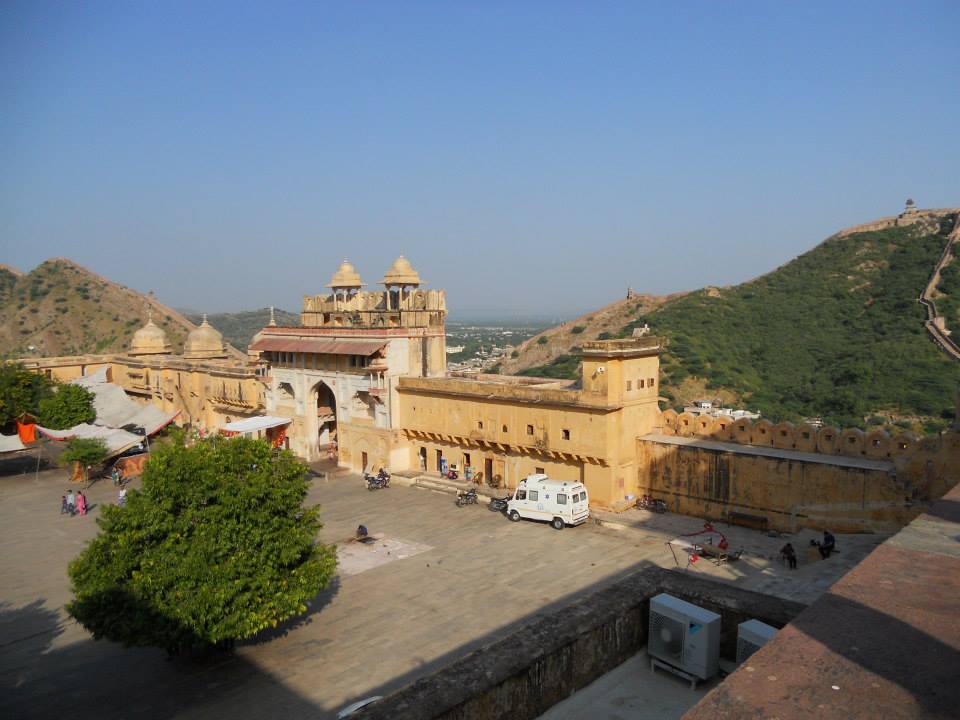
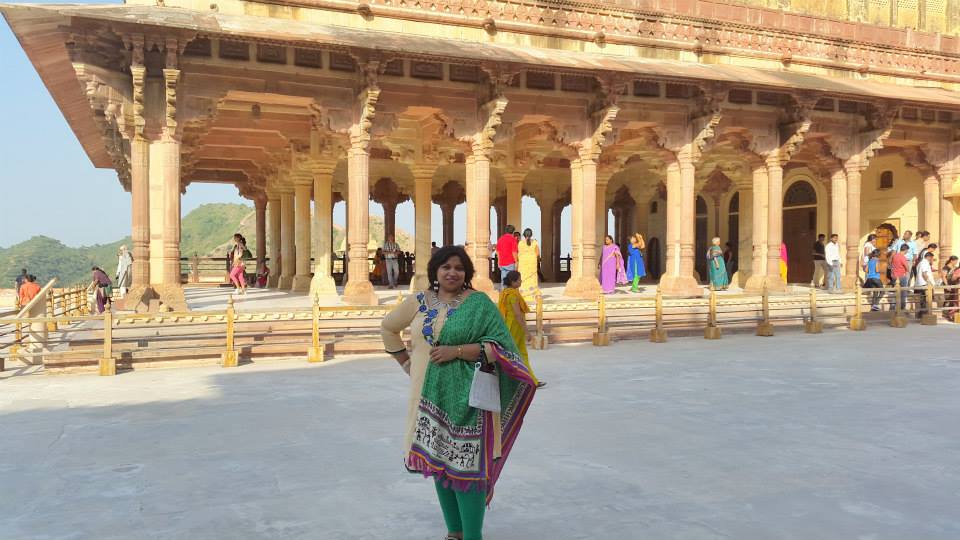
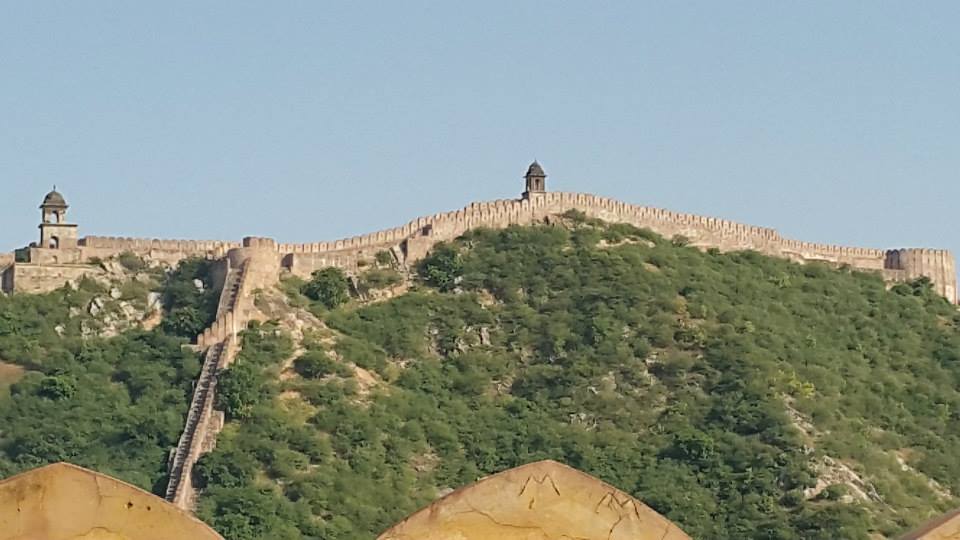
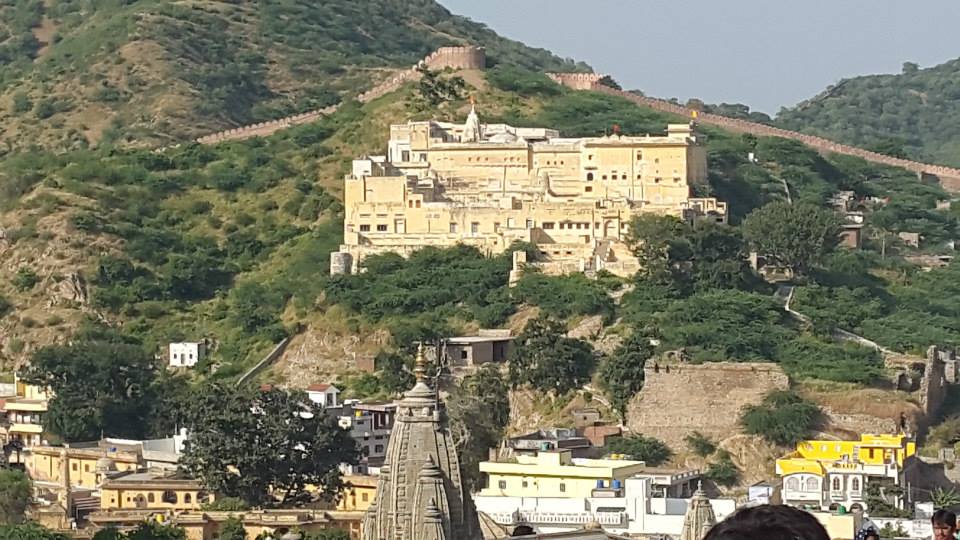
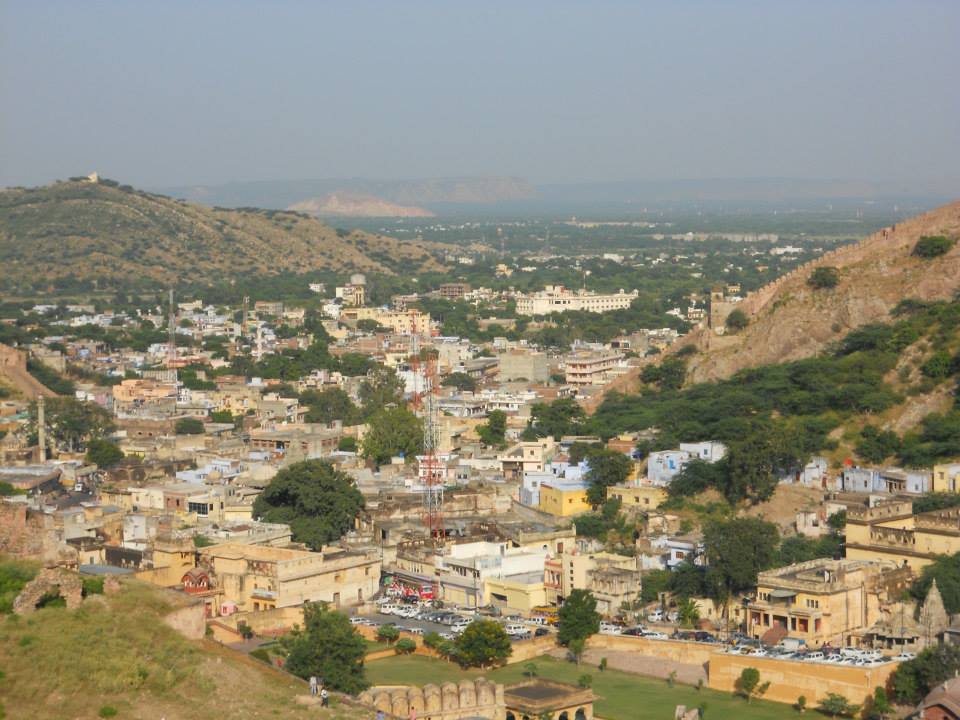
Post lunch at a local restaurant, I opted to visit the magnificent Amber Fort which is situated in the valley of the Aravalli ranges about 11 kms from Jaipur. The fort was built in 1592 and is now designated as a UNESCO World Heritage Site. Amber Fort is just below Jaigarh Fort. Prior to shifting their capital to Jaipur, Amber was the capital of the. Amber Fort is known for its artistic style, blending both Hindu and Rajput elements. With its large ramparts, series of gates and cobbled paths. a mesmerizing architectural marvel,the fort sits on a hill 11 km outside of Jaip. The fort was ruled by Raja Man Singh I, and is an opulent structure made of red sandstone and marble. Located in the town of Amer, Jaipur, Amer Fort is a historic monument that depicts a confluence of Rajput and Mughal architecture. The fort is built with light yellow and pink sandstone and white marble
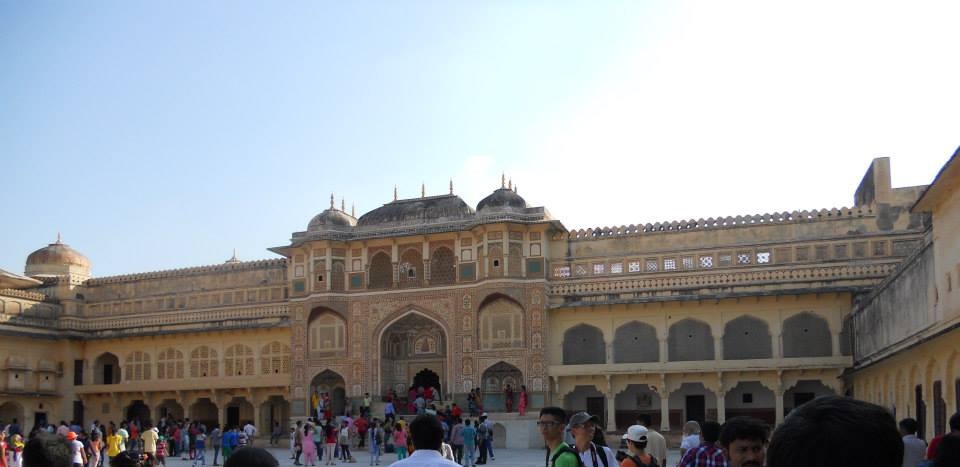
Jaleb Chowk is the first main courtyard after you enter Amber Fort through the Suraj Pol (Sun Gate). Jaleb Chowk is an Arabic phrase meaning a place for soldiers to assemble. Jaleb Chowk, a central courtyard that was once a parade ground for the Army. … largest courtyard
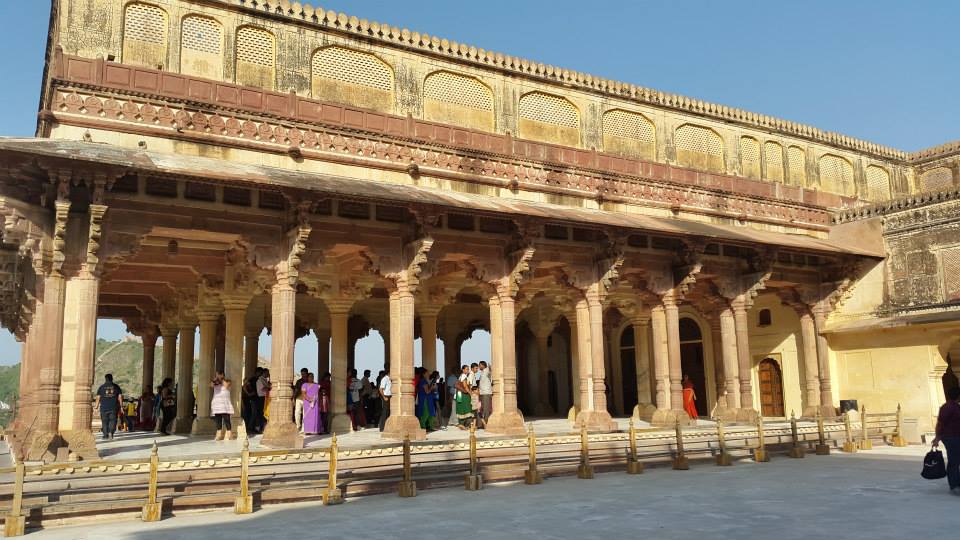
It has forty pillars and is a best example of intricate craftsmanship. Hall of Public Audience is where the Maharaja would meet his subjects and listen to their grievances. The Amer Fort complex is an ensemble of palaces, courtyards, pavilions and gardens. The fort provides a glimpse of a bygone era when the Rajput royals ruled.
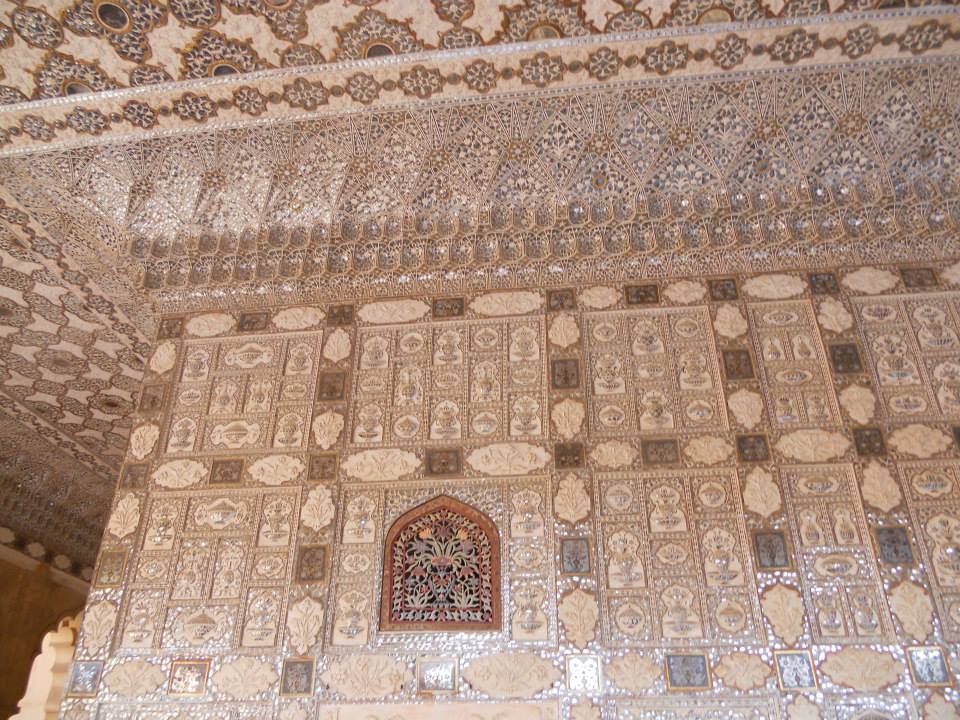
Inside the fort, you will encounter the world-renowned Jai Mandir temple with its dazzling Sheesh Mahal hall of mirrors. The walls and the ceiling of the Mahal are covered with a beautiful array of mirrors, which reflect any streak of light, illuminating the entire room. Inside the fort, you will encounter the world-renowned Jai Mandir temple with its dazzling Sheesh Mahal hall of mirrors. The walls and the ceiling of the Mahal are covered with a beautiful array of mirrors, which reflect any streak of light, illuminating the entire room. (House of Mirrors). Gorgeous precious stones and glass, beautifully hand-crafted paintings make Sheesh Mahal a wonder.
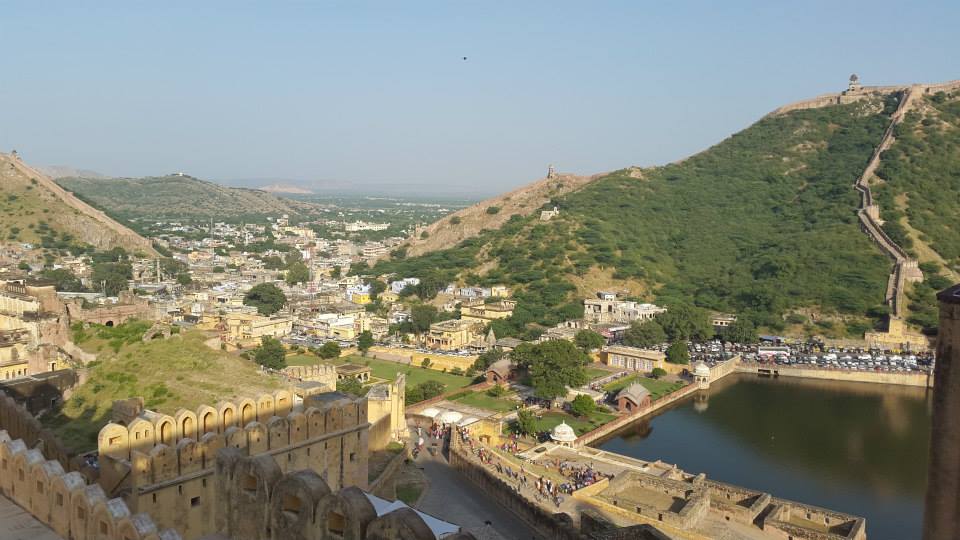
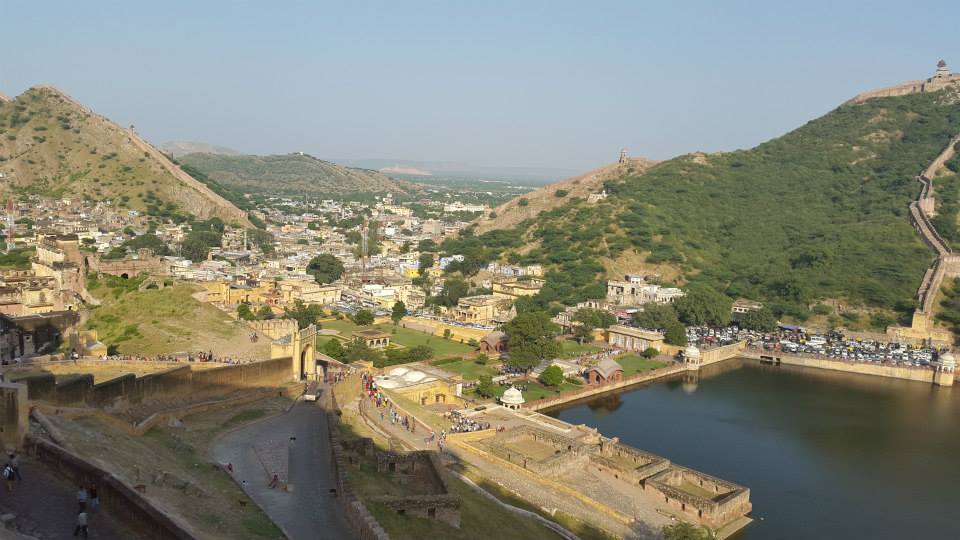
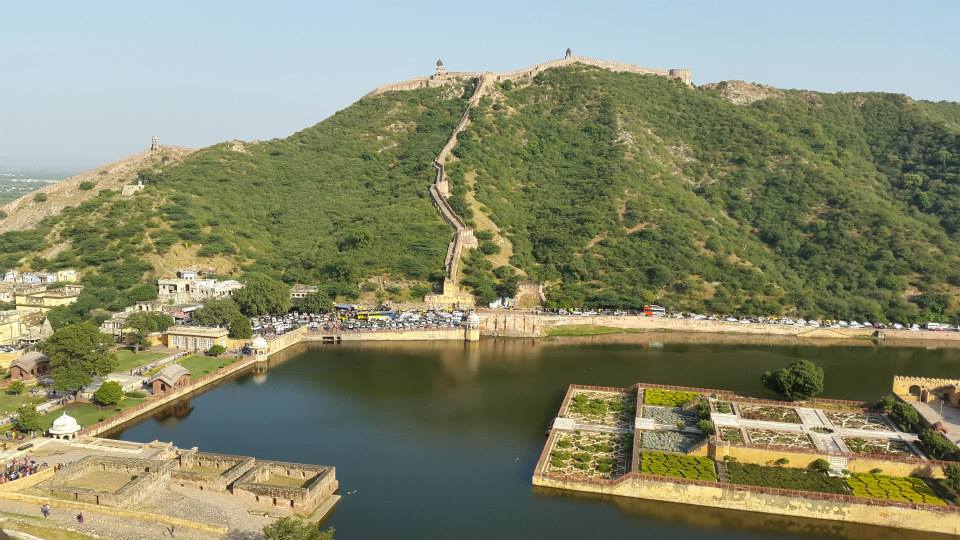
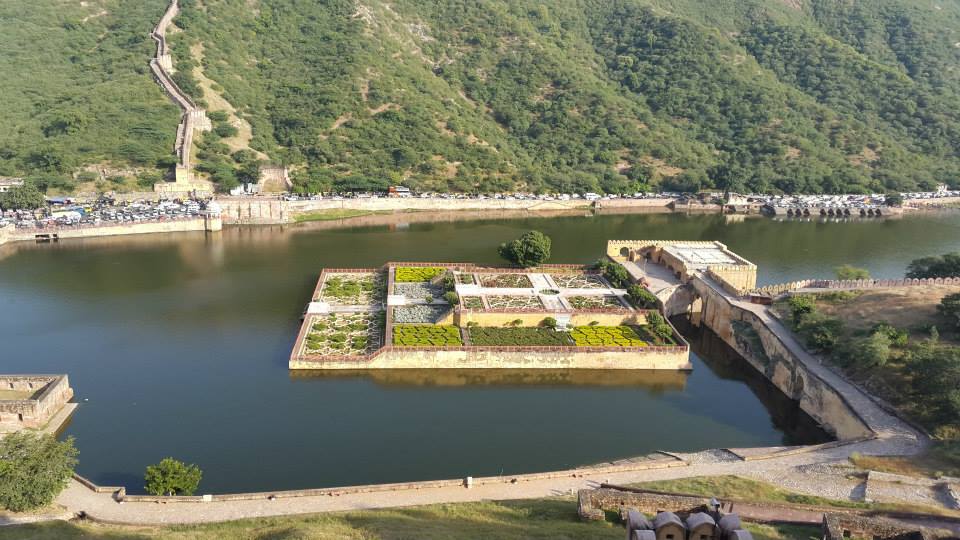
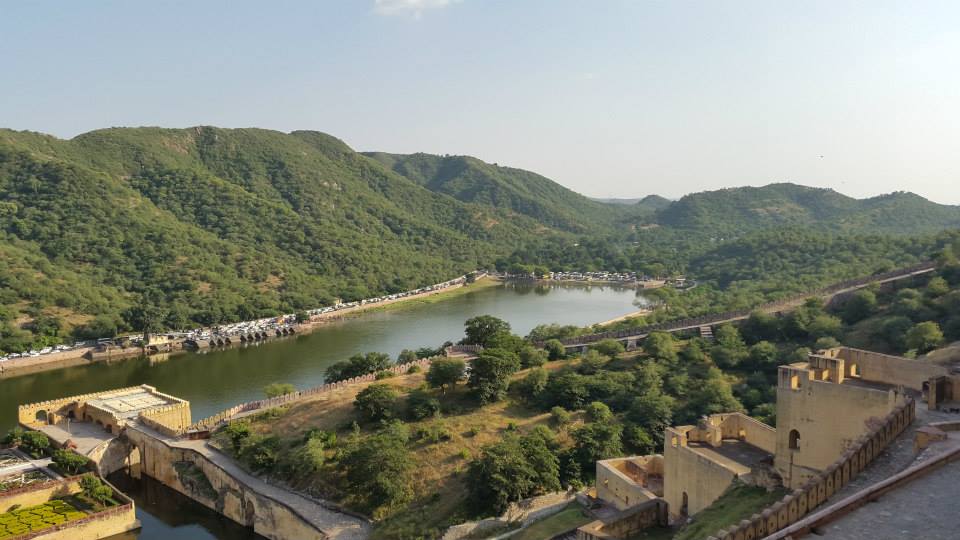
This Rajput style “Water Palace” sits in the center of the Man Sarobar lake. The lake is often dry during the summer, but the winter monsoons frequently turn it into a beautiful lake filled with water hyacinths.
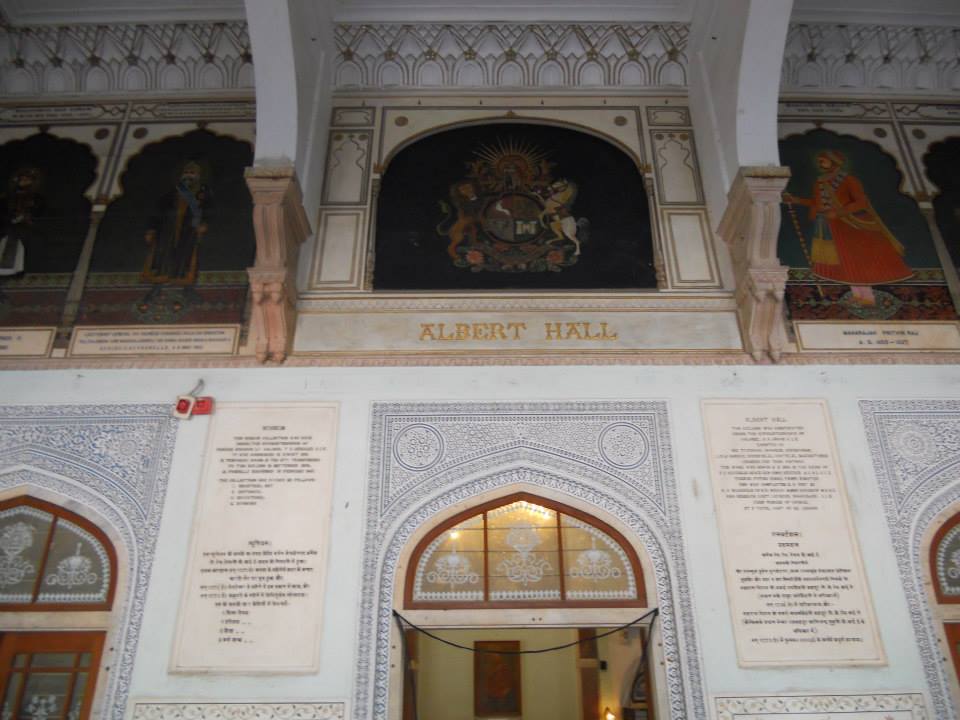
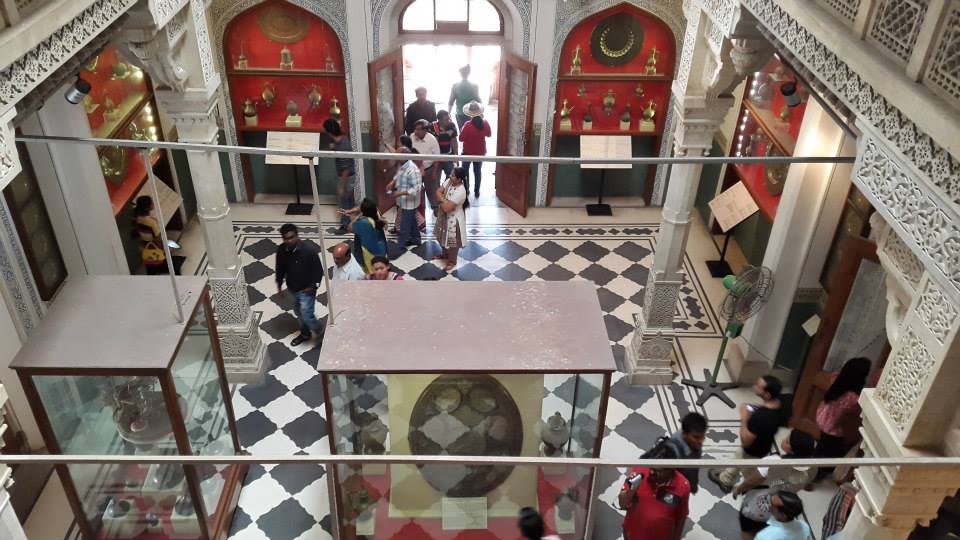
DAY 2: Albert Hall Museum
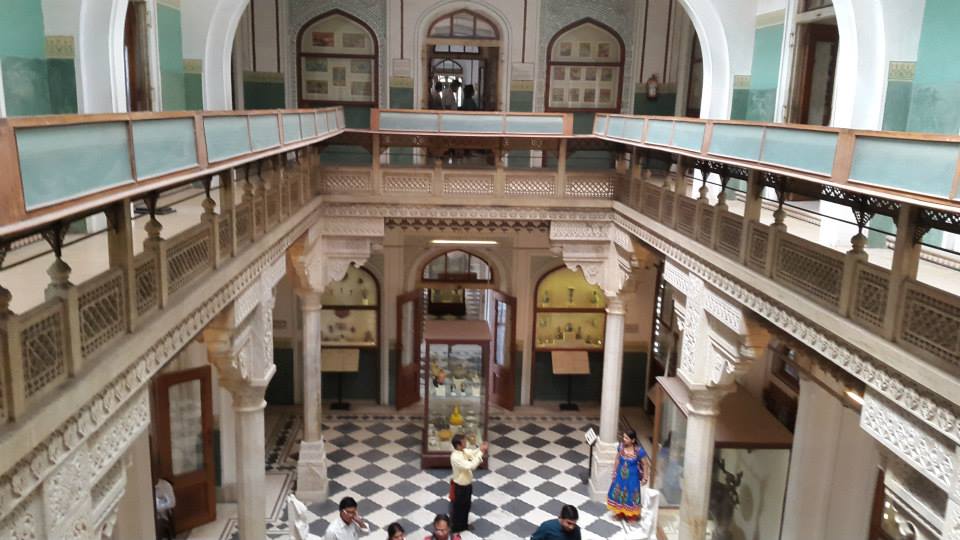
The oldest museum of the state and functions as the state museum of Rajasthan. A grand architectural marvel spreading across 19 acres, surrounded by the lush gardens, it blends Indian and Islamic architecture. On the display is entire history from utensils to weapons, coins to mummy, carpets to paintings.
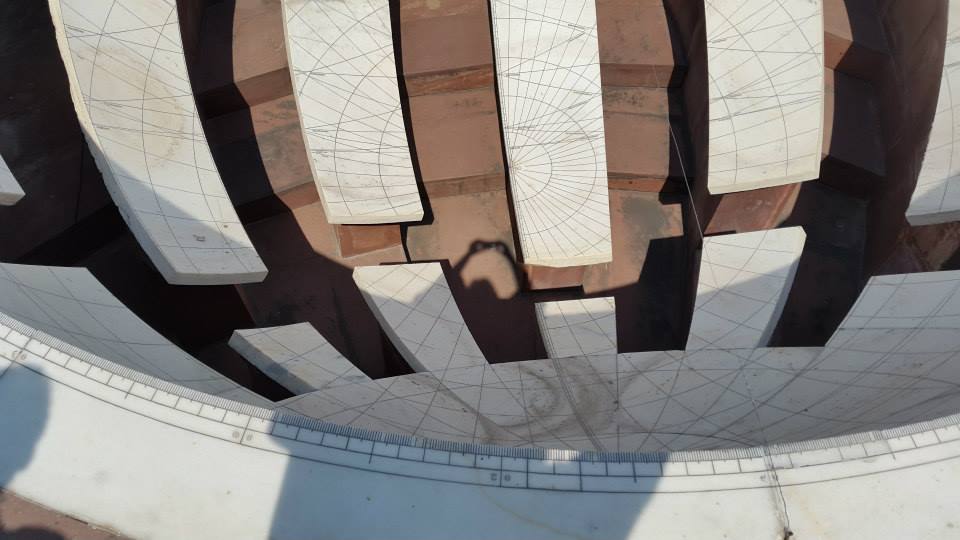
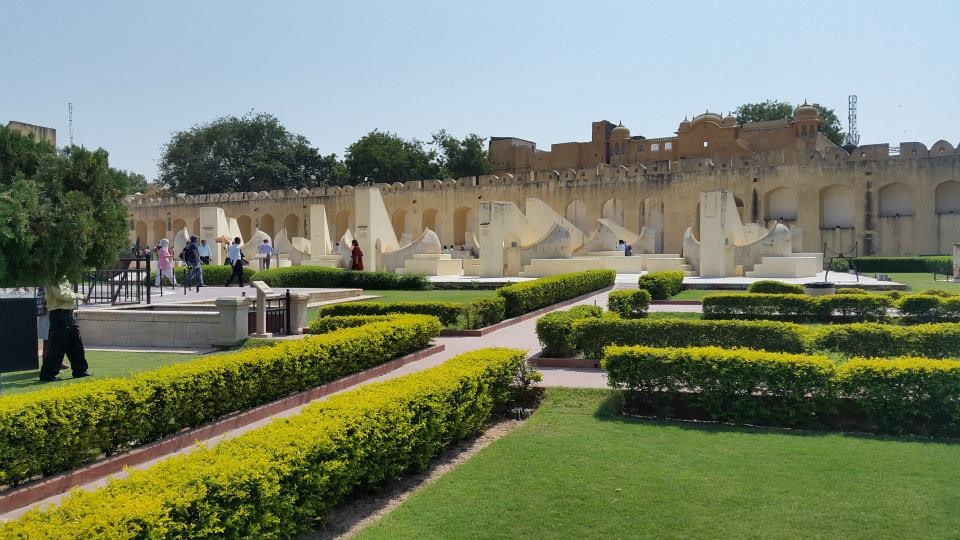
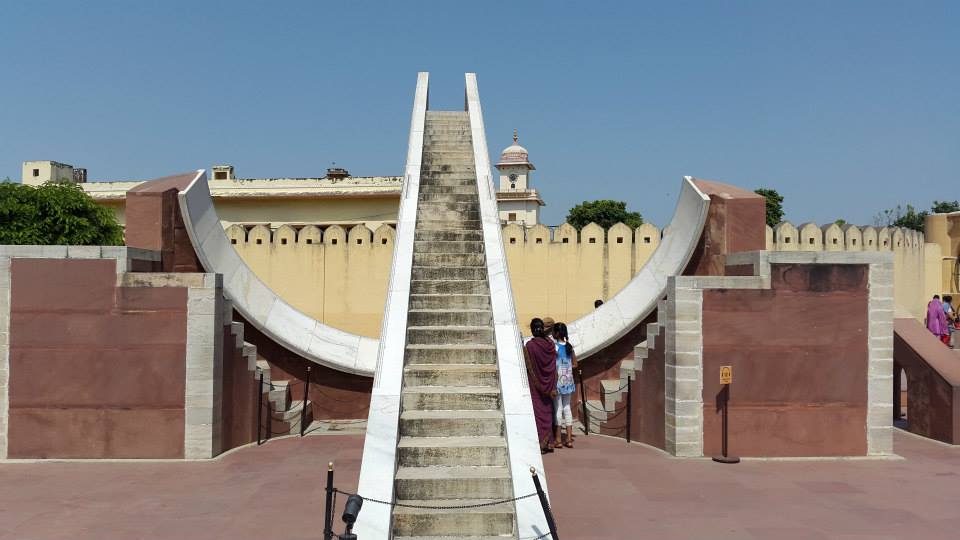
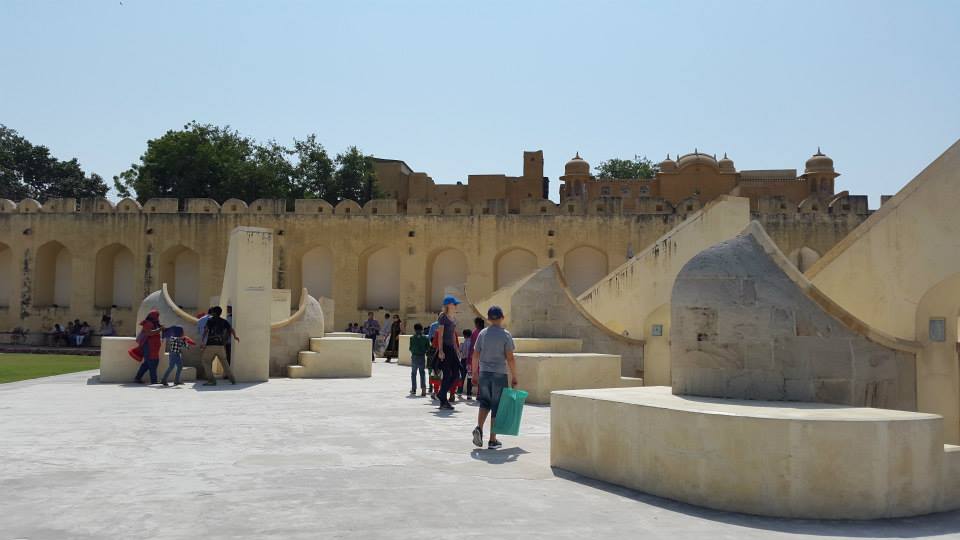
DAY 2: Ovservetory (Jantar Mantar)
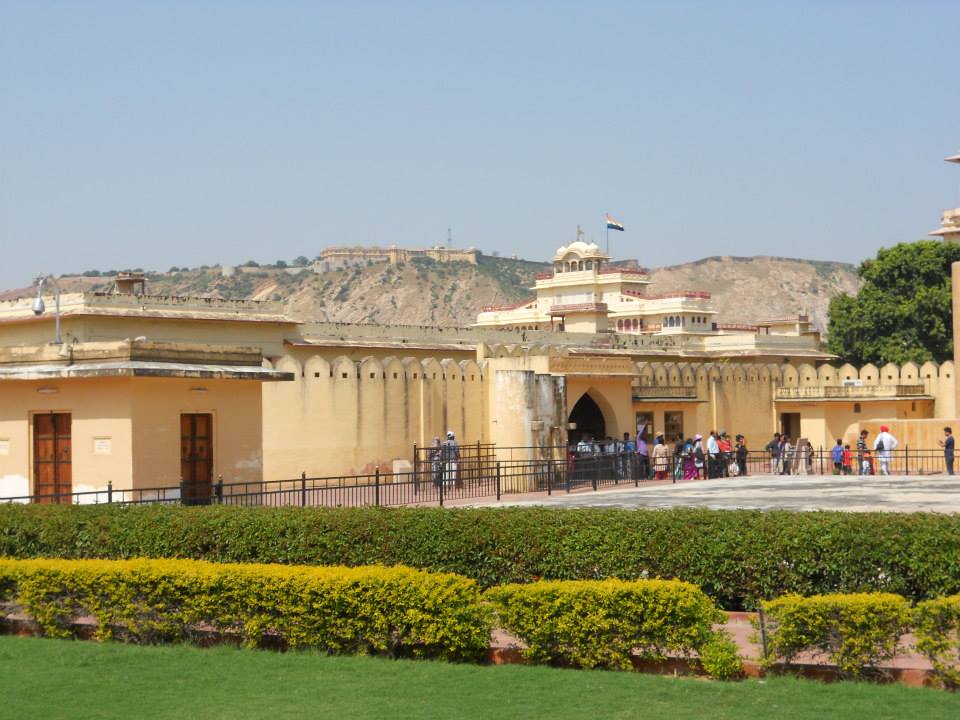
A celestial masterpiece nestled in the heart of Jaipur. Crafted by the visionary ruler Maharaja Sawai Jai Singh II constructed in the early 18th century. A true testament to India’s astronomical heritage and lies at the base of the Nahargarh hills, offering a quiet and scenic view.
Visited Rajasthan’s Cottage Industry later in the day, enjoy an afternoon of shopping in Jaipur where you will find an enticing variety of goods. Some of the most popular items include precious gemstones, silver jewelry, bangles, clothes, blue pottery, and textiles.
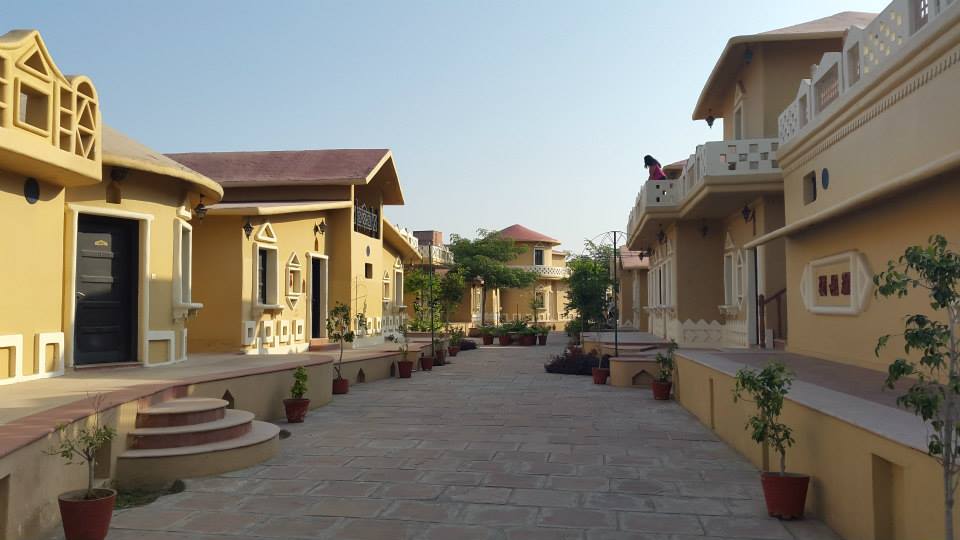
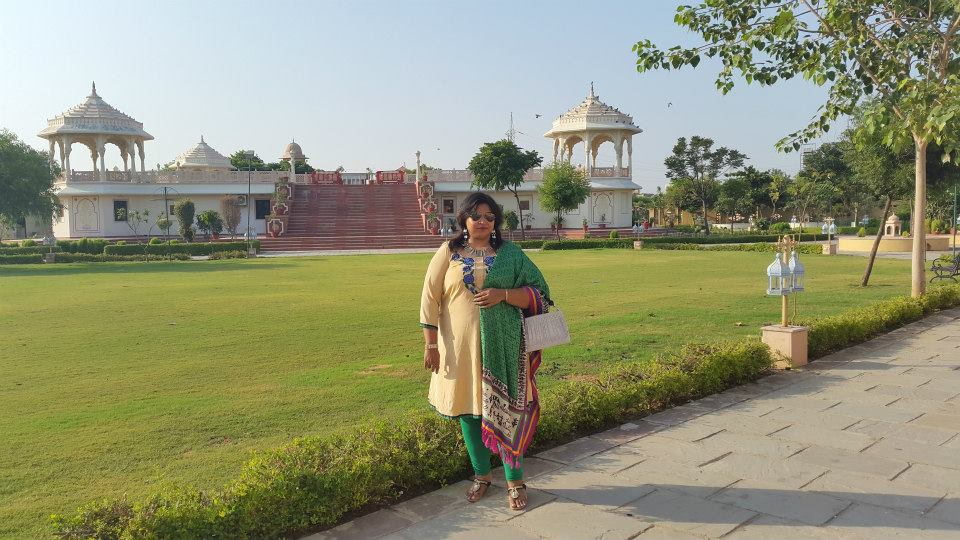
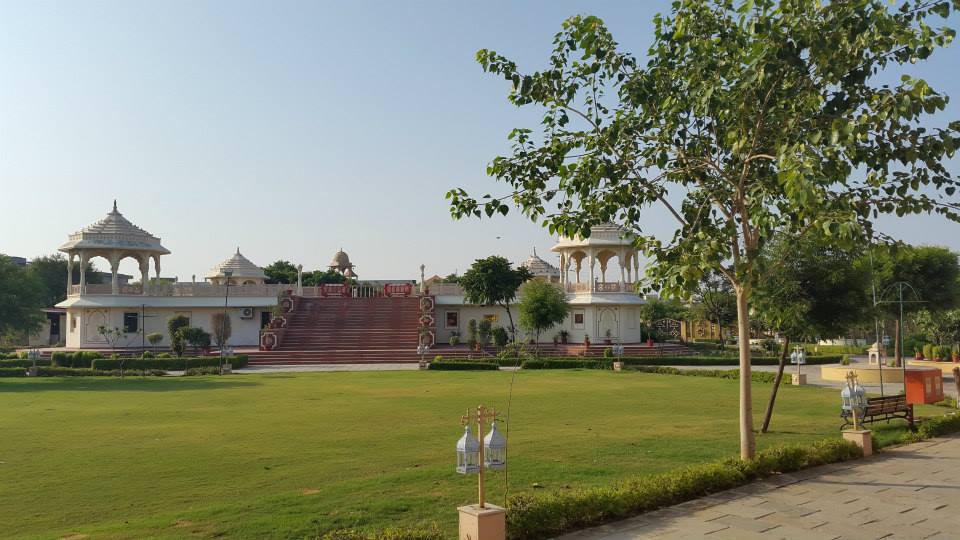
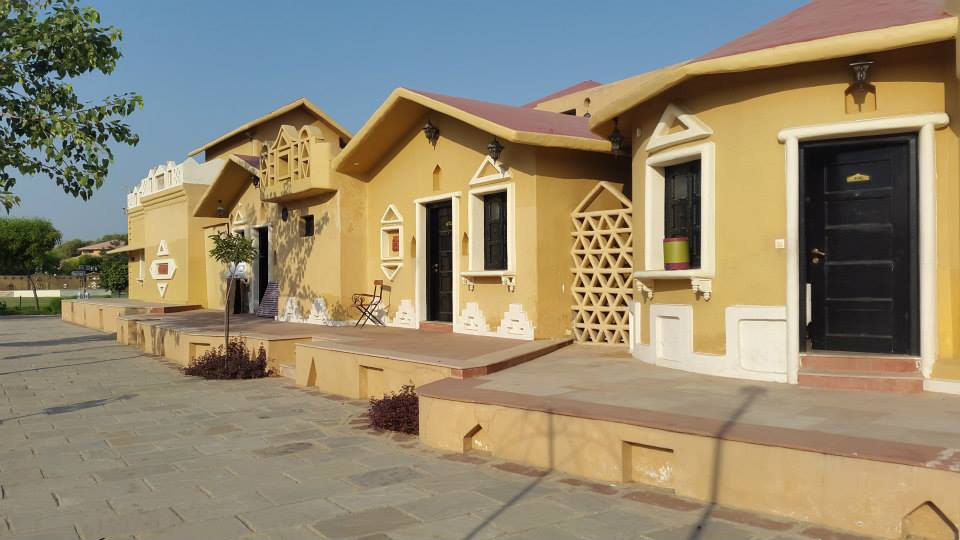
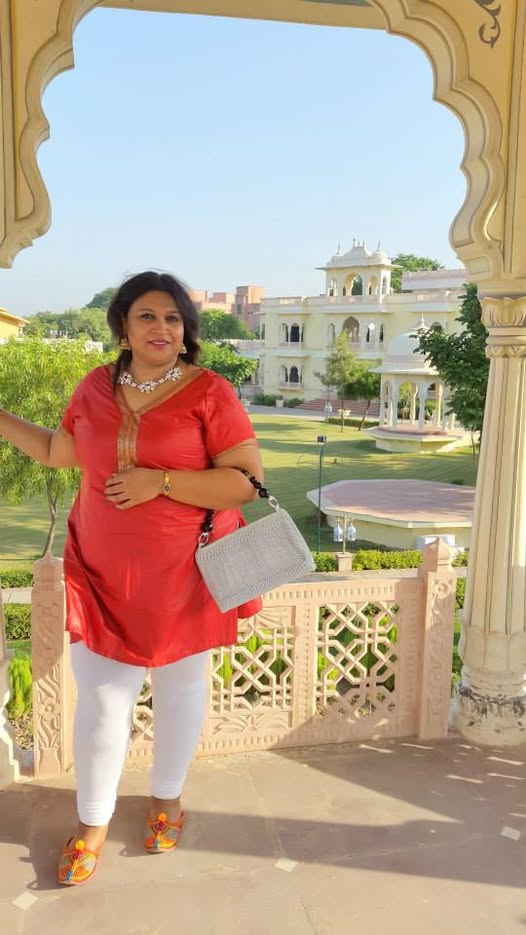
MY STAY: Pride Amber Villas Resort, located on the outskirts of Jaipur, the property itself is stunning, with beautifully maintained gardens, spacious rooms, and breathtaking views. The property boast an amalgamation of ancient culture and modern luxuries.
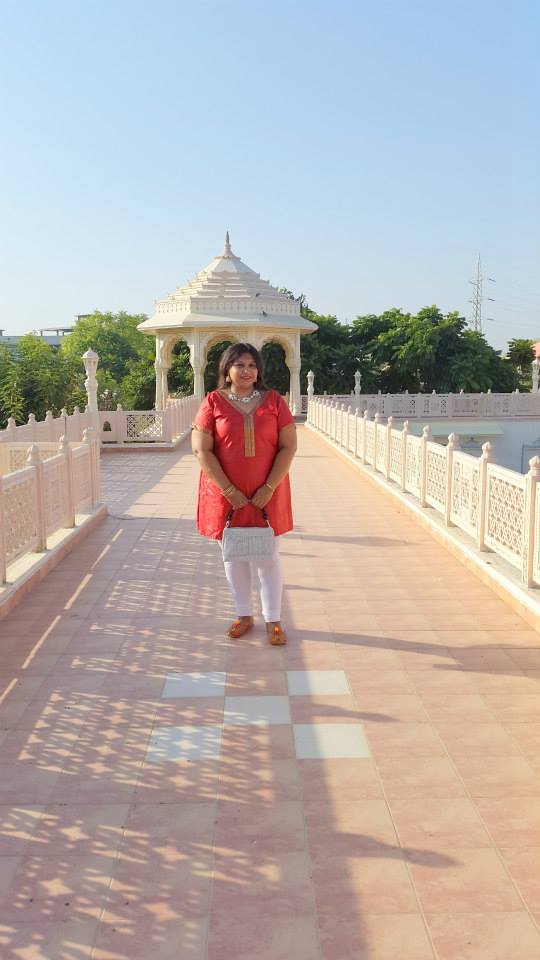
What makes Jaipur truly unforgettable isn’t just its iconic landmarks, but the way it makes you feel – welcomed, inspired, and completely immersed in its royal rhythm. Whether you came for the heritage, the food, or the vibrant local life, you leave with a heart full of memories and a longing to return.
And as I bid adieu to this timeless city, one thing is certain—Jaipur doesn’t just stay in your photographs, it stays with you.

 Luxury Food & Travel Journeys