By Pamela Nandi | May 09, 2021

As night descended, while the grandiose monument Victoria Memorial, Kolkata, illuminated against the backdrop of the Kolkata night sky giving it a fairy tale look, the evening was heavily laced with the fascinating history of the substantial culinary legacy cultivated from the magnificent kitchens of the royal Mughal dynasty.

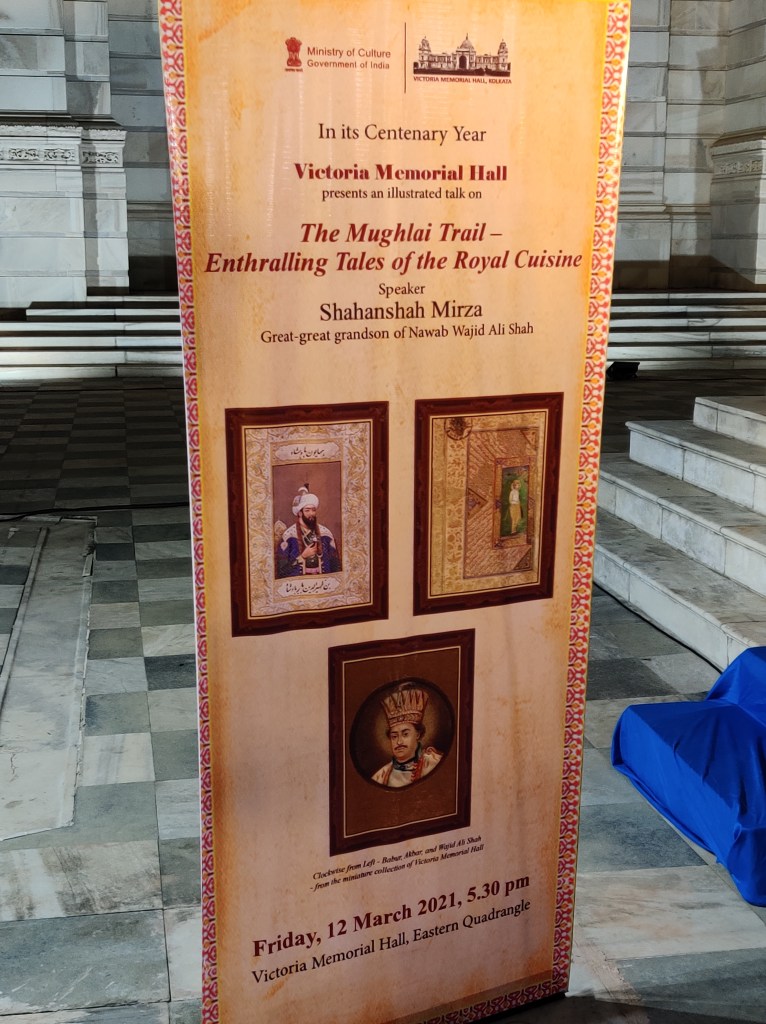
The eminent speaker Shahanshah Mirza Sir, the great great grandson of Nawab Wajid Ali Shah unveiled The Mughlai Trail – Enthralling Tales of the Royal Cuisine by bringing life to the gift-giving lavish and extravagant food culture of the most powerful Mughals. A man of substance, he has co-authored 3 books that cover the architectural heritage of the city, passionate about preserving India heritages, a GST officer in the Ministry of Finance, a public speaker on different platforms and many more. According to him, food had evolved over the centuries and the culinary wonders of the imperial kitchens are gifted by the visiting traders and invaders during the Mughal period.

The foundation stone of the royal Mughal dynasty laid by Babur followed by his successors drenched with a lot of nostalgic culinary tales graced by Persian influence and love for mangoes too. During the reign of Aurangzeb, the dynasties movement of focus to cities like Hyderabad and Lucknow laid to the origin of Awadhi flare.
The evening witnessed the unparalleled journey of a voyage to the origin of Awadhi or Lucknowi cuisine under the patronage of the first Nawabs of Awadh – Burhan-ul-Mulk Saadat Khan.
During the reign of Asaf-ud-Daulah, a the famine stuck the Awadh region in 1784 which accounted for poverty in and around Awadh. The fourth Nawab of Awadh’s noble thought of building the most pronounced monument – Great Imambara or Asifi Imambara provided employment and food to about 20000 labourers. The tasting of the worker’s meal by the Nawab and his order to chef’s to improve its delicacy by adding meat, aromatic spices and saffron gave birth to the kaleidoscope of flavours and taste to the dish along with the sheer creativity of the ‘Dum’ style cooking or the art of cooking over low heat. Nawab‘s warmth and love for food gave birth to the epic BIRYANI.
Hear from Shahanshah Mirza Sir one of the most accepted tale of Origin of Biryani in 1784 by sailing around the culinary creativities of Khansamas (derived from ‘khan-e-saman’), which is absolutely commendable.
As an eloquent speaker, Shahanshah Mirza Sir, no doubt whet the appetite of the audience about the roots of the Sahi cuisines.Eliminating the misconception of the melt-in-mouth minced meat – SHAMI KEBAB eaten during the nighttime is an interesting take.
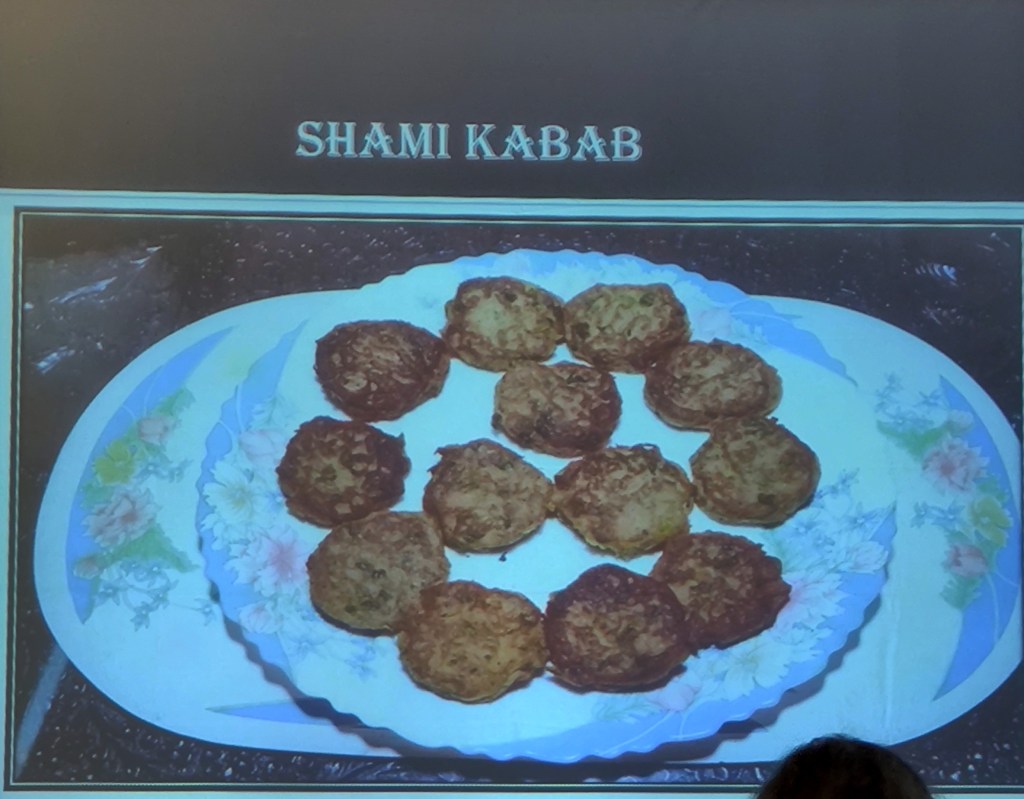
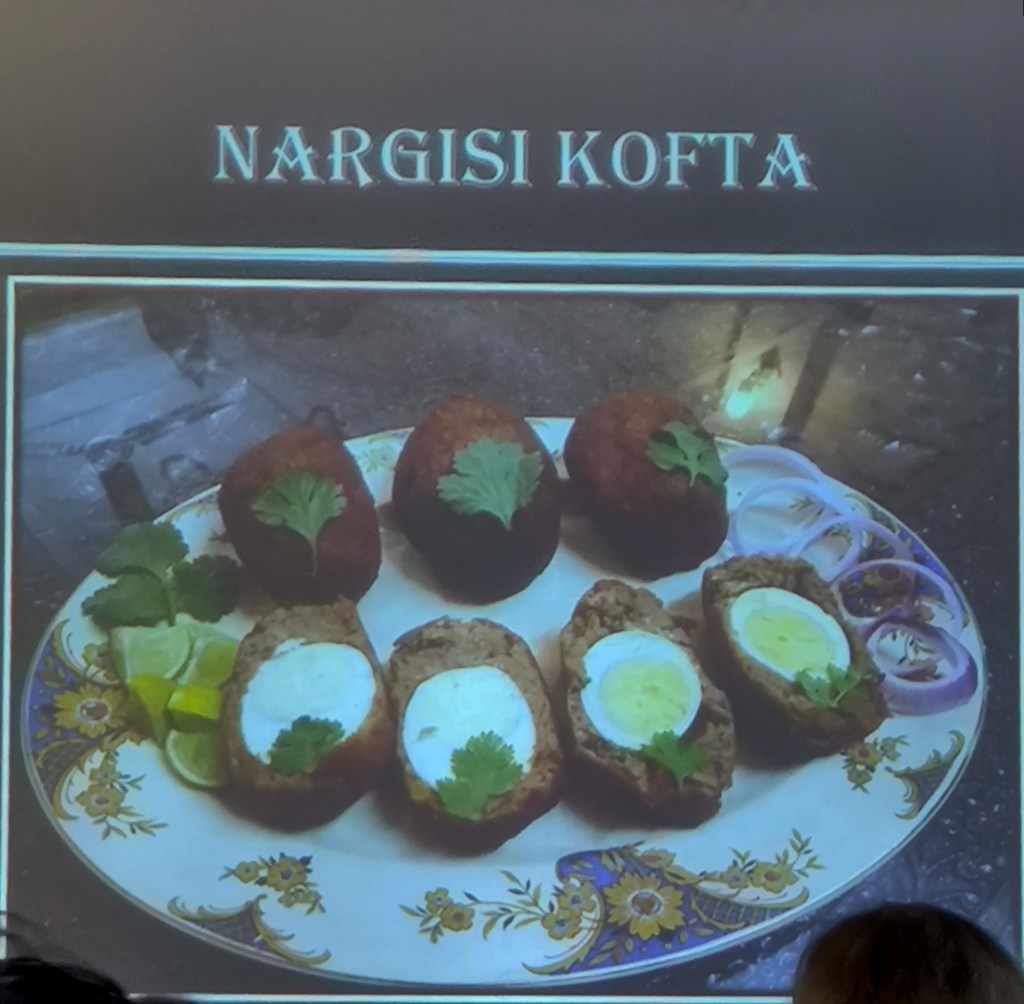
The name of the dish literally meant “Syrian Kebab“, (Syria called Sham in Urdu and Hindi) in Arabic. The epitome of all the appetizer’s – NARGISI KOFTA graced with an outer spicy coating of meatballs neatly enveloping the hard-boiled eggs resembling women’s impressive eyes called ‘NARGISI‘.
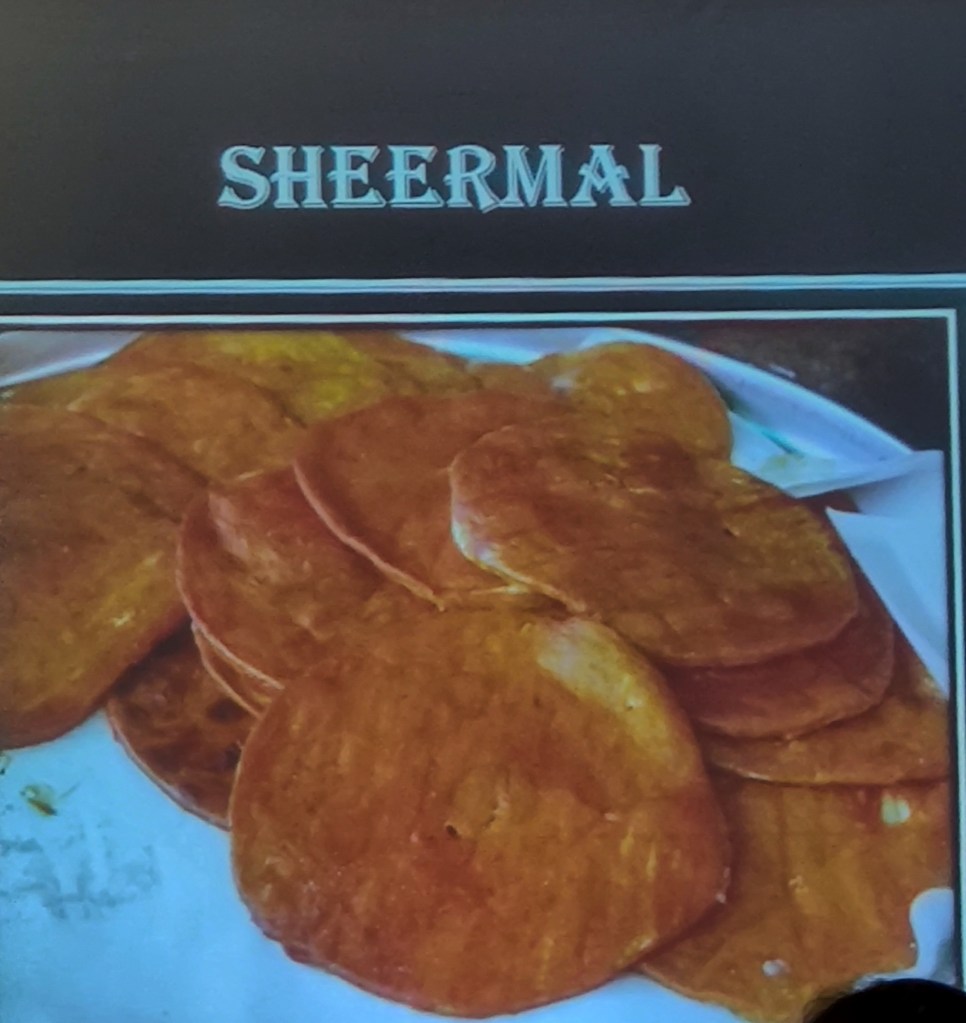
The usage of lavish saffron with milk showcased the Perisian influence in the making of traditional flatbread SHEERMAL or Shirmal derived from the Persian words means ‘milk rubbed’ relished with kebabs and Sahi curries.
The evolution of the indulgent delicacy – SAHI TUKDA from the leftover bread dipped in sugary syrup and served in rich creamy aromatic milky gravy crowned with nuts has its roots originating during the reign of Mughals is a really interesting one.

His recommendation of trying the winter delicacy in Lucknow – NIMISH or Makhan Maai, an invention that hails again from the era of the Nawabs is a MUST-EAT.

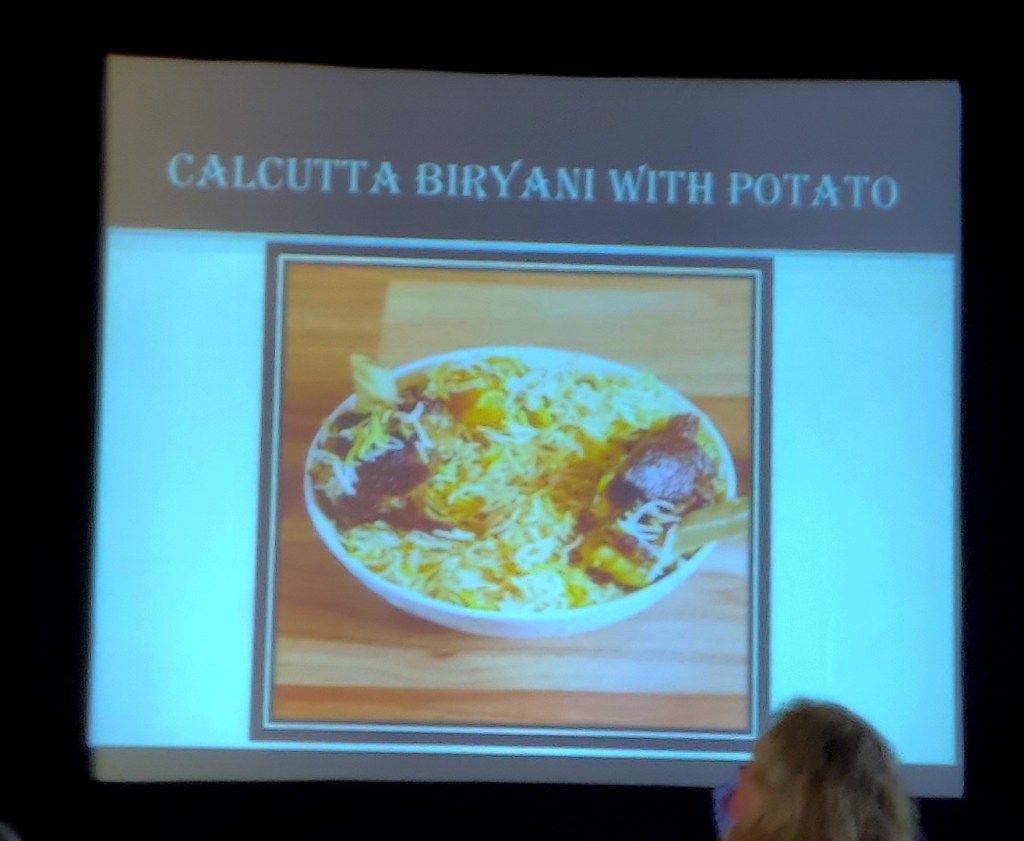
The trail dotted on the creation of mini Lucknow in the Metiabruz area of Calcutta by the last ruler of Awadh – Wajid Ali Shah in 1856 left the spark in the Indian culinary adventure by giving birth to the dramatic CALCUTTA BIRYANI with all the gorgeous bouquet of aromas that came from golden brown potatoes. Nawab’s fondness for music, dance, poetry and wildlife were exquisitely remarkable.
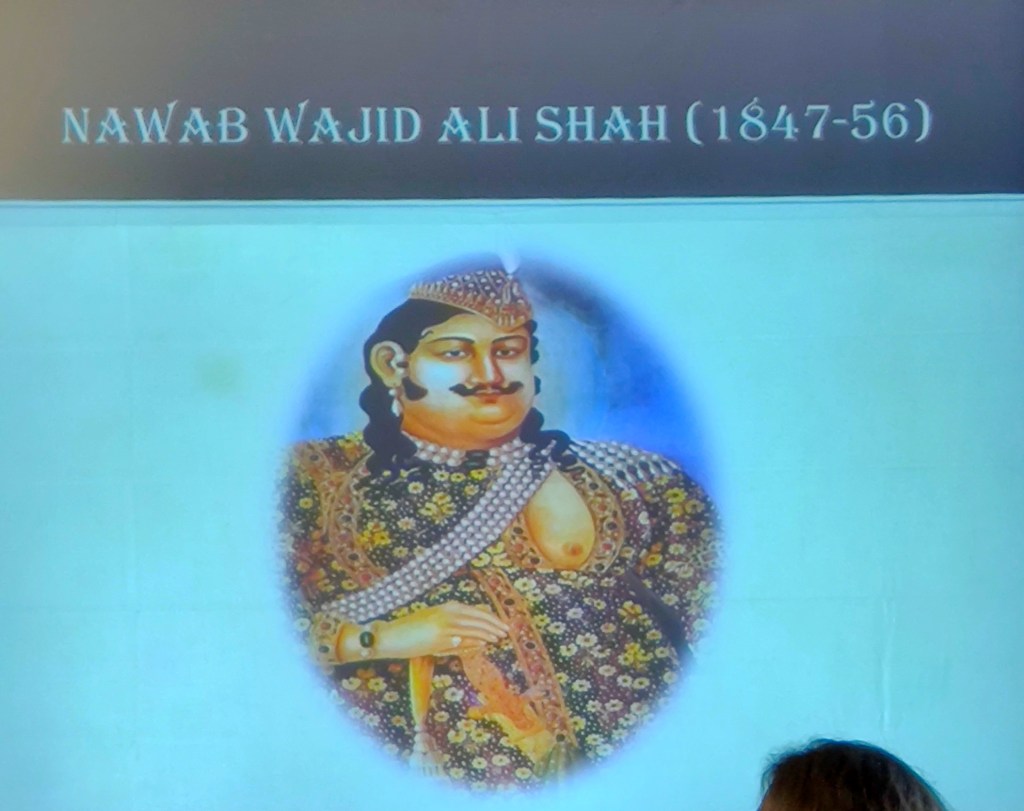
A great poet, Nawab Wajid Ali Shah adopted his attire in style by exposing his left chest, a symbol of expression of his heart open for all the subjects.
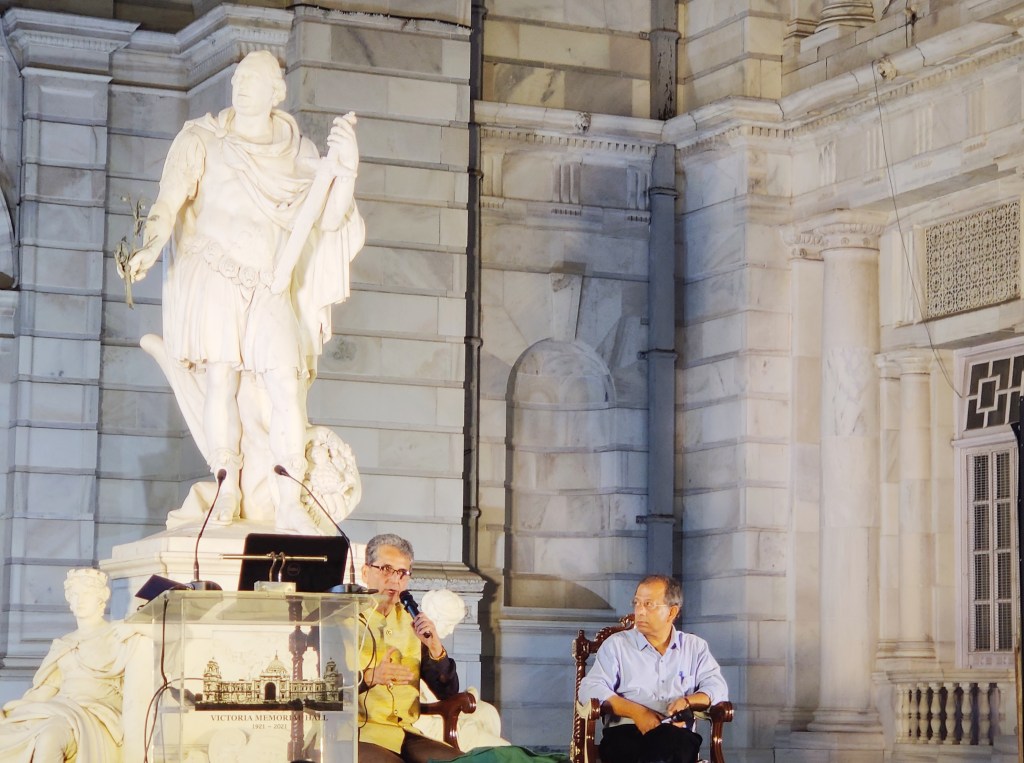
The tale ended with an interesting food talk show hosted by Jayanta Sengupta, director of Victoria Memorial, Kolkata and the guest speaker Shahanshah Mirza Sir with the full participation of the audience which was very delightful and fun-loving.Last, but not least, the selection of the venue and the topic of the show created an appealing atmosphere.
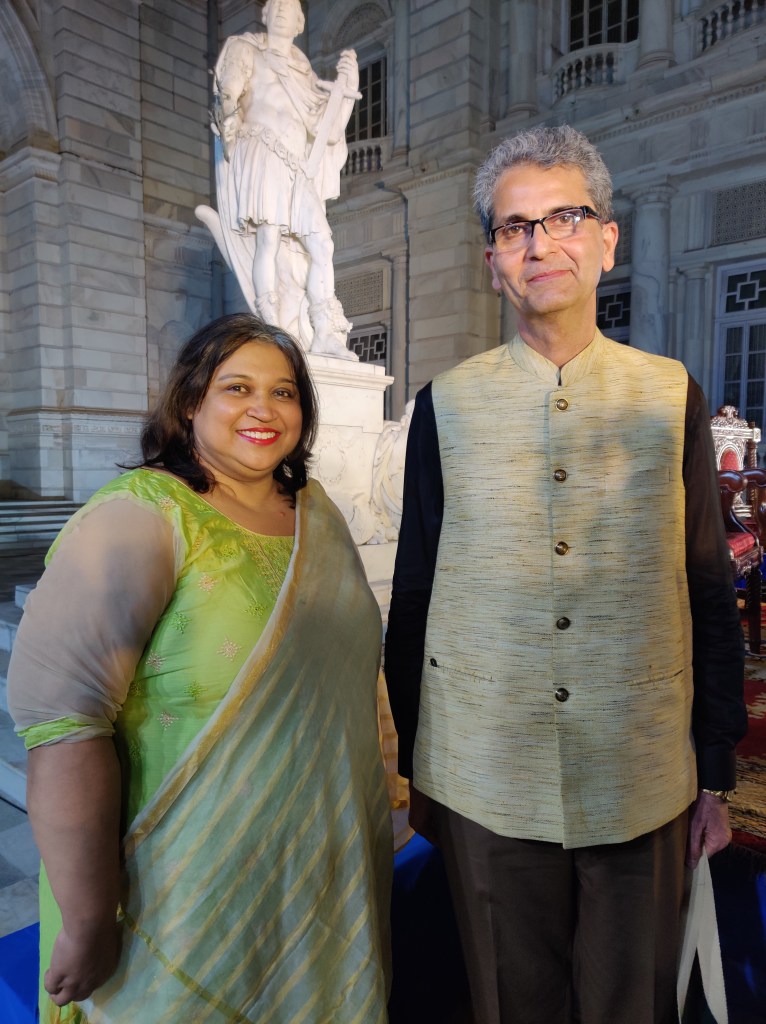
Honoured and humbled Shahanshah Mirza Sir for your warm invitation to attend one of the most prestigious heritage trails. Looking forward to attending such more in the future.
Cheers !!

 Food & Travel Blogger